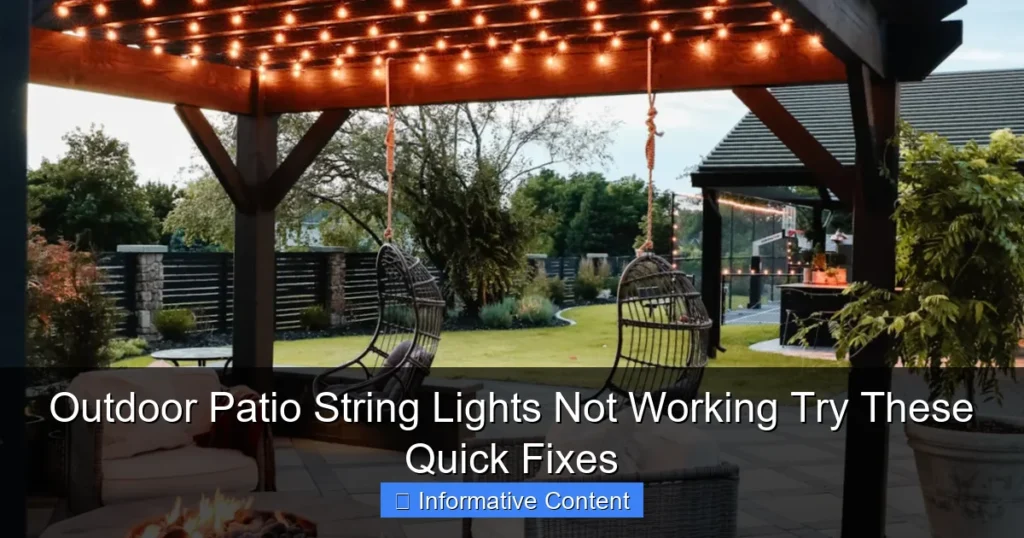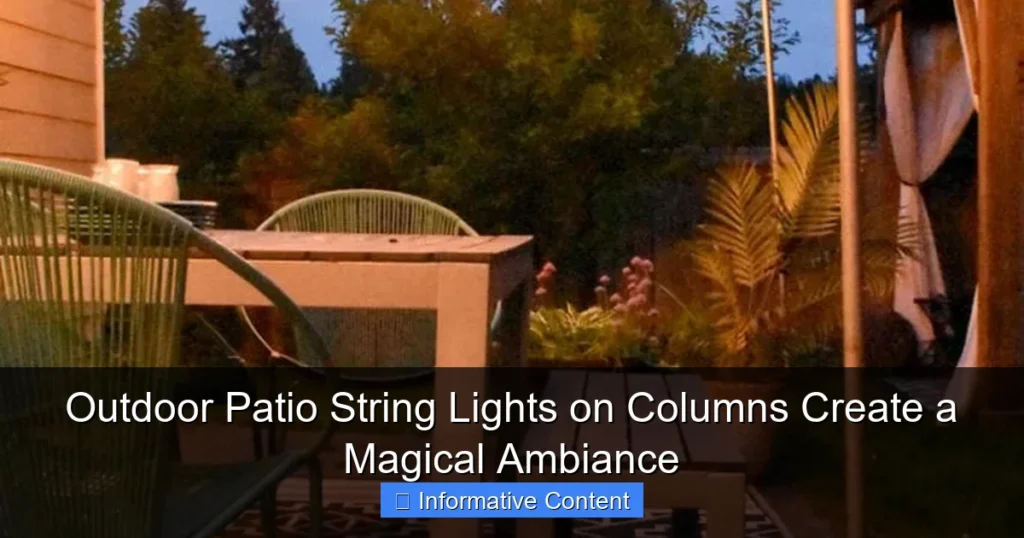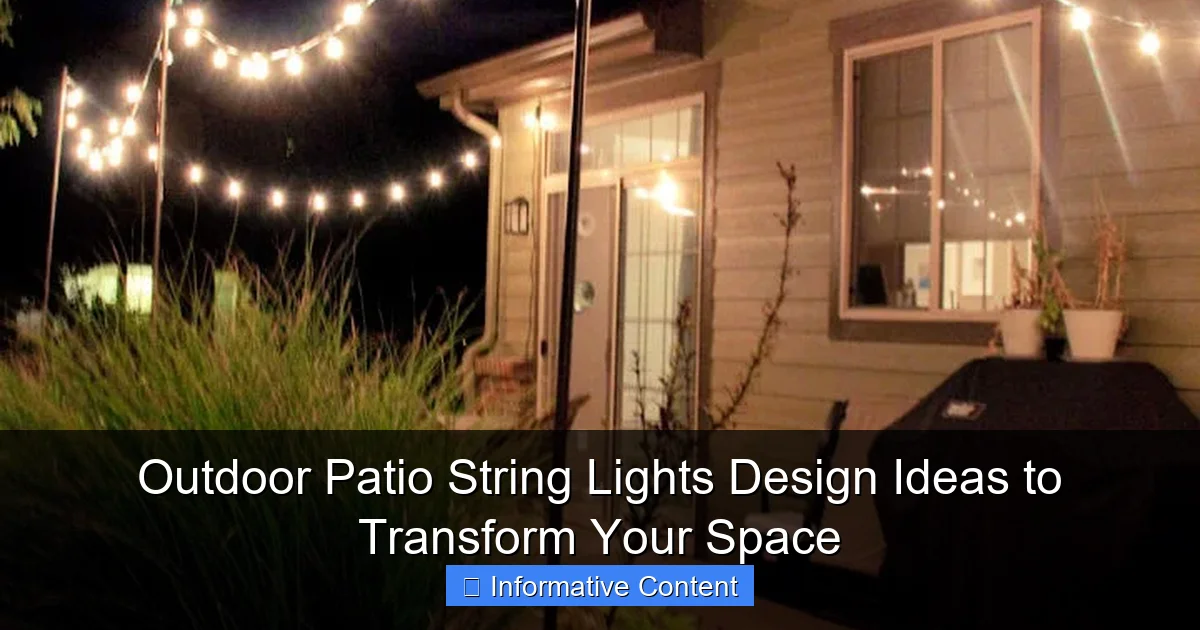
Featured image for outdoor patio string lights design
Image source: blitsy.com
Outdoor patio string lights instantly elevate your outdoor space by blending ambiance, style, and functionality. From cozy bistro vibes to modern geometric installations, these versatile lighting solutions let you customize mood and layout with ease—whether draped overhead, wrapped around railings, or framing a pergola. Transform your patio into an inviting retreat perfect for entertaining or relaxing under the stars.
Key Takeaways
- Choose weather-resistant lights: Ensure durability with UL-listed, waterproof string lights for long-lasting outdoor use.
- Layer lighting creatively: Combine string lights with lanterns or LEDs for depth and ambiance.
- Highlight focal points: Drape lights around trees, pergolas, or railings to draw attention to key areas.
- Opt for warm tones: Use 2200K–2700K bulbs to create a cozy, inviting atmosphere.
- Use smart controls: Add dimmers or timers for effortless ambiance adjustment and energy savings.
- Experiment with patterns: Try zigzag, canopy, or crisscross designs to elevate visual interest.
📑 Table of Contents
- Why Outdoor Patio String Lights Are the Ultimate Mood Boosters
- Understanding the Types of Outdoor String Lights
- Creative Layouts and Installation Ideas
- Choosing the Right Color Temperature and Brightness
- Smart Features and Energy Efficiency
- Combining String Lights with Other Outdoor Elements
- Final Thoughts: Light Up Your Life
Why Outdoor Patio String Lights Are the Ultimate Mood Boosters
Remember that magical feeling when you step onto a patio glowing with soft, twinkling lights? The air feels warmer, the mood instantly lifts, and suddenly, a simple evening becomes a memory worth savoring. That’s the power of outdoor patio string lights design—it’s not just about illumination; it’s about creating an atmosphere where laughter flows, conversations linger, and relaxation reigns.
Whether you’re hosting a summer barbecue, enjoying a quiet cup of tea under the stars, or transforming your backyard into an alfresco dining spot, the right string lights can make all the difference. But with so many styles, layouts, and technical considerations, where do you even start? Fear not. In this guide, we’ll explore creative, practical, and downright inspiring ways to use string lights to elevate your outdoor space. From classic bistro-style setups to modern geometric installations, we’ll cover everything you need to know—no design degree required.
Understanding the Types of Outdoor String Lights
Before diving into design ideas, let’s get familiar with the different types of outdoor patio string lights available. Each has its own strengths, limitations, and best-use scenarios. Knowing the differences will help you pick the perfect fit for your space and needs.
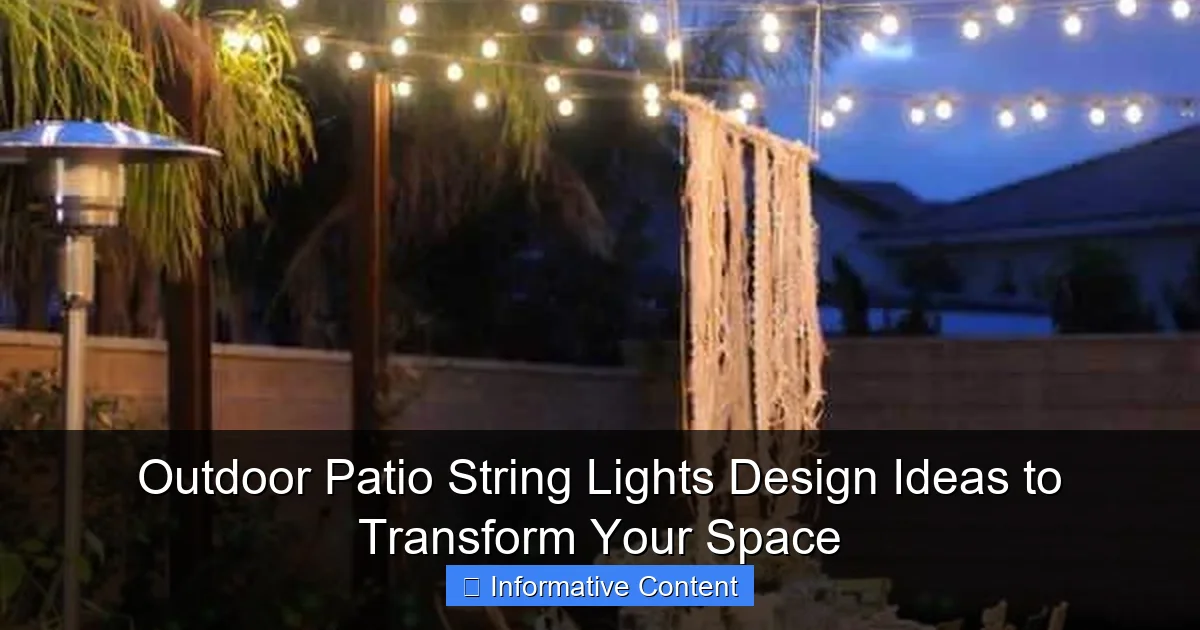
Visual guide about outdoor patio string lights design
Image source: amazinginteriordesign.com
Incandescent vs. LED: The Bright Debate
Incandescent string lights have that classic, warm glow we associate with old-school holiday decorations. They’re affordable and give off a cozy, nostalgic vibe. But they’re not the most energy-efficient—they burn hotter, use more electricity, and typically last only one to two seasons before bulbs start dying.
On the other hand, LED outdoor string lights are the modern favorite. They’re energy-efficient, last up to 25,000 hours (that’s over six years with nightly use!), and generate very little heat. Most come with warm white, cool white, or color-changing options. While they cost more upfront, they save money in the long run and are safer around kids and pets.
Tip: If you love the warm, flickering feel of incandescents but want efficiency, look for LEDs with “flicker” or “candle” effects. These mimic the gentle dance of real flames without the heat or short lifespan.
Sockets and Bulb Shapes: Form Meets Function
String lights come in various socket styles and bulb shapes. The most common:
- Edison bulbs: Vintage-style, exposed filament bulbs that cast a warm, golden glow. Ideal for rustic, farmhouse, or boho patios.
- Globe bulbs: Round, often frosted glass bulbs that diffuse light evenly. Great for a soft, ambient glow across large areas.
- Mini lights: Tiny, tightly spaced bulbs—perfect for outlining edges, railings, or creating a “starry sky” effect.
- Shaped bulbs: Stars, lanterns, or geometric shapes for a playful, thematic touch (think nautical, tropical, or holiday-inspired).
Pro insight: Globe and Edison styles work best for general ambient lighting. Mini lights are ideal for outlining, while shaped bulbs add personality but may not provide enough light for tasks like cooking or reading.
Power Options: Plug-In, Solar, or Battery
How you power your lights affects both installation and flexibility.
- Plug-in: Most reliable and brightest option. Requires access to an outdoor-rated GFCI outlet. Ideal for permanent setups.
- Solar: Eco-friendly and easy to install—no cords, no outlets. Best for areas with 6+ hours of direct sunlight daily. May dim or flicker on cloudy days.
- Battery-operated: Super portable and great for rentals or temporary setups. Look for models with USB charging or long battery life (10+ hours).
Note: Solar lights are fantastic for accent lighting or outlining, but for a bright, consistent glow, plug-in or battery-powered with high lumens (500+ per strand) is better.
Creative Layouts and Installation Ideas
Now that you know your options, let’s talk design. The way you arrange your string lights can completely change the vibe of your patio. Here are some tried-and-true layouts that work for every style and space.
Classic Bistro Canopy: The Timeless Favorite
Think Parisian sidewalk cafes or cozy Italian terraces. This layout involves draping lights in a zigzag or crisscross pattern between two or more anchor points—trees, posts, walls, or pergolas.
- How to install: Use sturdy hooks or eye screws on both ends. Space anchor points 6–10 feet apart. Run the first strand horizontally, then zigzag diagonally across to create a canopy effect.
- Best for: Medium to large patios, dining areas, or seating zones.
- Pro tip: Overlap strands slightly (by 1–2 feet) to avoid dark spots. Use a light dimmer to adjust brightness for different moods—bright for dinner, soft for stargazing.
Real-life example: Sarah, a homeowner in Portland, installed a bistro canopy over her 12’x14’ deck using 3 strands of warm-white Edison bulbs. She added sheer curtains for privacy and now hosts weekly dinner parties under her “outdoor living room.”
Vertical Accents: Lighting Up Walls and Railings
Not all light has to come from above. Vertical string lights add depth and draw the eye upward, making small patios feel larger.
- How to install: Wrap lights around railings, run them vertically up posts, or use wall-mounted clips to create “light vines” climbing a fence or trellis.
- Best for: Narrow patios, balconies, or spaces with limited overhead options.
- Pro tip: Use weatherproof adhesive clips instead of nails to avoid damaging surfaces. For a dynamic look, alternate between vertical and horizontal strands.
Bonus idea: Pair vertical lights with climbing plants like jasmine or ivy. The lights will highlight the greenery, creating a magical, natural glow at night.
Geometric Patterns: Modern and Minimalist
For a contemporary look, skip the traditional canopy and go geometric. Think squares, triangles, or even abstract shapes using zip ties or mounting hardware.
- How to install: Use a laser level and measuring tape to mark precise points. Attach lights to a pergola, gazebo, or even a custom frame using zip ties or S-hooks. Create a grid, diamond pattern, or “light sculpture.”
- Best for: Modern homes, rooftop patios, or spaces with architectural features.
- Pro tip: Use cool white or color-changing LEDs for a futuristic vibe. Add a smart controller to cycle through colors or sync with music.
Example: A couple in Austin built a geometric “light box” over their concrete patio using 4 strands arranged in a large square. They added a central pendant light for task lighting and now use the space for movie nights and game sessions.
“Starry Sky” Effect: Soft and Subtle
Want a dreamy, ethereal glow? The starry sky layout uses densely packed mini lights to mimic the night sky.
- How to install: Drape mini lights over trees, bushes, or along the roofline. Use a “random scatter” technique—don’t worry about symmetry. Add extra strands in corners or under eaves for depth.
- Best for: Small patios, garden nooks, or romantic getaways.
- Pro tip: Use frosted mini lights to reduce glare and create a soft, diffused glow. Pair with sheer outdoor curtains for a “glowing cocoon” effect.
Choosing the Right Color Temperature and Brightness
Not all light is created equal. The color temperature (measured in Kelvins, or K) and brightness (measured in lumens) play a huge role in setting the mood and functionality of your space.
Warm White (2700K–3000K): Cozy and Inviting
Warm white lights mimic the glow of candlelight or sunset. They’re perfect for:
- Intimate seating areas
- Dining tables
- Relaxation zones (hammocks, loungers)
Why it works: Warm light is easier on the eyes at night and doesn’t disrupt melatonin production, helping you wind down.
Cool White (4000K–5000K): Crisp and Functional
Cool white lights are brighter and more energetic. Use them for:
- Kitchen or bar areas
- Game tables (cornhole, cards)
- Spaces where you need to see clearly
Caution: Too much cool light can feel sterile or harsh. Balance with warm accents or dimmers.
Color-Changing and RGB Options: Fun and Flexible
Want to set the mood for a party? RGB (red, green, blue) lights let you change colors with a remote or app.
- Best uses: Holiday parties, themed events, kids’ play areas
- Pro tip: Use color-changing lights as accents, not primary lighting. Pair with warm white strands for a balanced look.
- Bonus: Some smart lights sync with music or voice assistants (Alexa, Google Home) for hands-free control.
Brightness Matters: Lumens and Coverage
Brightness is measured in lumens. Here’s a quick guide:
- 100–200 lumens per strand: Soft accent lighting (e.g., outlining railings)
- 300–500 lumens per strand: Ambient lighting (e.g., bistro canopy)
- 600+ lumens per strand: Task lighting (e.g., over a grill or dining table)
Rule of thumb: For a 10’x10’ patio, aim for 1,000–1,500 total lumens. Mix and match strands to avoid over- or under-lighting.
Smart Features and Energy Efficiency
Today’s string lights aren’t just about looks—they’re smarter and more efficient than ever. Here’s what to look for if you want a high-tech, low-waste setup.
Smart Controls: Lights That Listen
Smart string lights connect to Wi-Fi or Bluetooth and work with apps or voice assistants.
- Features to look for: Scheduling (turn on at sunset), dimming, color control, and integration with home systems.
- Best for: Frequent entertainers, busy families, or anyone who forgets to turn off lights.
- Example: The Philips Hue Outdoor String Lights let you set scenes (“Dinner,” “Movie Night”) and control lights from your phone.
Energy Efficiency: Save Power, Not Style
LEDs use up to 80% less energy than incandescents. But there’s more you can do:
- Use timers or motion sensors so lights only run when needed.
- Choose dimmable lights to reduce power usage on quiet nights.
- Opt for solar-powered accent lights for areas without outlets.
Fun fact: Running 3 strands of LED lights (50 watts total) for 5 hours a night costs about $1.50 per month (at $0.12/kWh). Incandescents would cost $7.50!
Weatherproofing and Durability
Outdoor lights need to survive rain, wind, and UV rays. Look for:
- IP65 or IP67 rating: Waterproof and dustproof
- UV-resistant materials: Prevents yellowing or cracking
- Heavy-duty cords: 16–18 gauge for durability
Insider tip: Store lights in a dry, cool place during winter. Even “all-weather” lights last longer with seasonal care.
Combining String Lights with Other Outdoor Elements
The best outdoor patio string lights design doesn’t exist in a vacuum. Pair your lights with other features to create a cohesive, inviting space.
Greenery and Plants: Nature Meets Light
- Weave lights through trees, vines, or potted plants for a “garden glow.”
- Use plant-safe LED strips under benches or along planter edges.
- Create a “lighted arch” with lights strung over a garden gate or trellis.
Furniture and Decor: Light the Way
- Place a strand behind a headboard for a floating bed effect.
- Outline a fire pit or seating area to define the space.
- Hang lights over a bar cart or outdoor kitchen for task lighting.
Architectural Features: Highlight What You Love
- Accentuate a pergola, gazebo, or stone wall with uplighting or outlining.
- Use lights to draw attention to artwork, a water feature, or a focal point.
- Create a “lighted path” with ground-level or railing lights leading to the patio.
Data Table: String Light Comparison
| Type | Lifespan | Energy Use | Best For | Cost (per 25 ft) |
|---|---|---|---|---|
| Incandescent | 1,000–2,000 hrs | High | Cozy, nostalgic vibes | $10–$20 |
| LED (Warm White) | 25,000+ hrs | Low | Everyday use, dining | $20–$40 |
| LED (Color-Changing) | 20,000+ hrs | Low | Parties, accents | $30–$60 |
| Solar | 5,000–10,000 hrs | Zero (sun-powered) | Accents, eco-friendly | $25–$50 |
| Battery-Operated | 5,000+ hrs (battery life varies) | Low (battery-powered) | Portable, temporary | $15–$35 |
Final Thoughts: Light Up Your Life
Transforming your patio with string lights isn’t just about adding brightness—it’s about crafting an experience. Whether you’re going for rustic charm, modern elegance, or playful whimsy, the right outdoor patio string lights design can turn any evening into a moment worth remembering.
Start small. Try a single strand over your dining table or wrap a few around a tree. See how it feels. Then, build from there. Mix and match styles, play with colors, and don’t be afraid to experiment. The best designs aren’t the most expensive—they’re the ones that reflect your personality and make you want to linger outside just a little longer.
Remember: lights are tools for joy. They invite connection, spark creativity, and turn ordinary nights into something extraordinary. So go ahead—string up those lights, pour a drink, and let your patio shine.
Frequently Asked Questions
What are the best outdoor patio string lights design ideas for small spaces?
For compact patios, try wrapping string lights around railings, hanging them in zigzag patterns, or draping them across a pergola to create vertical interest. Opt for warm white or Edison-style bulbs to enhance coziness without overwhelming the area.
How do I choose the right bulb type for my patio string lights?
Consider LED bulbs for energy efficiency and durability, especially in exposed outdoor conditions. Vintage-style Edison bulbs add charm for rustic designs, while globe or fairy lights suit modern or whimsical outdoor patio string lights design.
Can I install outdoor string lights on a patio without trees or poles?
Absolutely! Use wall-mounted hooks, attach lights to a fence, or install a freestanding light pole. For renters, adhesive clips or tension rods between railings are damage-free solutions.
What’s the ideal spacing for string lights to illuminate my patio effectively?
Space lights 12-18 inches apart for even coverage, adjusting based on bulb brightness. Overlap layers slightly for dimmer areas, ensuring the design feels intentional and balanced.
Are solar-powered string lights suitable for year-round outdoor use?
Yes, modern solar lights are weather-resistant and charge efficiently, even on cloudy days. Just place the panel where it gets direct sunlight, and opt for models with replaceable batteries for longevity.
How can I incorporate color into my outdoor patio string lights design?
Use color-changing LEDs for versatility, or pick themed hues (e.g., blue for coastal, warm amber for boho). Pair colored lights with neutral decor to avoid clashing while maintaining a festive vibe.