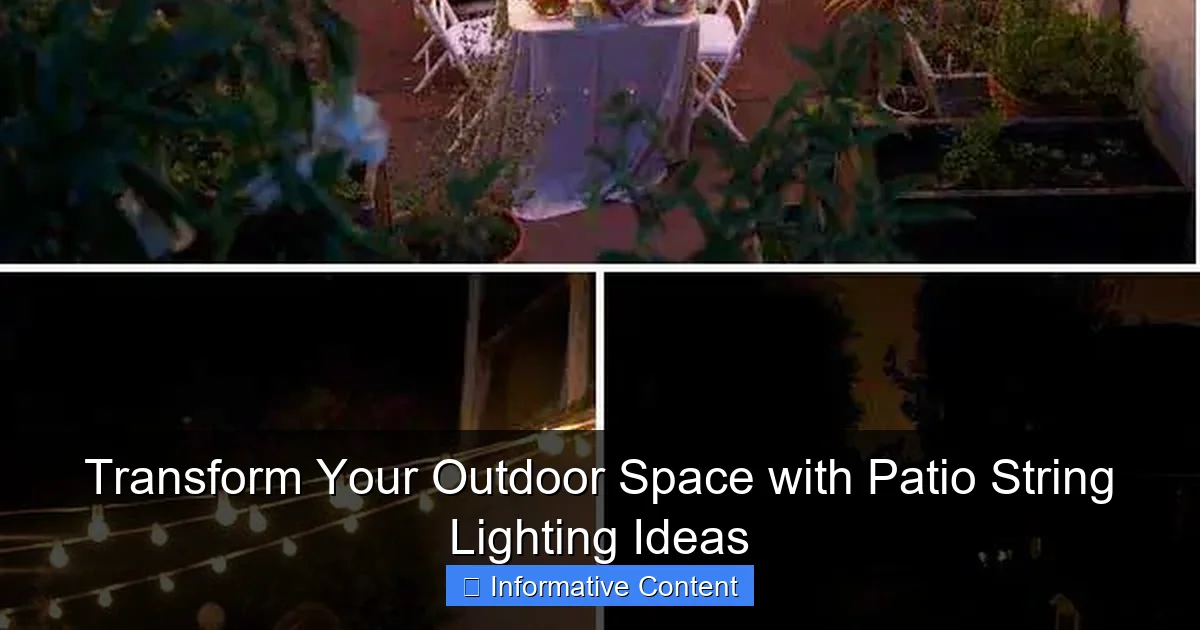
Featured image for patio string lighting
Image source: woohome.com
Patio string lighting instantly elevates any outdoor space, creating a warm, inviting ambiance perfect for entertaining or relaxing. From bistro-lit dining areas to whimsical canopy setups, these versatile lights offer endless design possibilities while boosting functionality after dark. Easy to install and energy-efficient, they’re the ultimate upgrade for transforming your patio into a nighttime oasis.
Key Takeaways
- Choose weather-resistant lights: Ensure durability with IP65-rated or higher for outdoor use.
- Layer lighting for depth: Combine string lights with lanterns or spotlights for dynamic ambiance.
- Opt for warm white bulbs: Creates a cozy, inviting glow perfect for evening gatherings.
- Install dimmers or timers: Enhance control and energy efficiency effortlessly.
- Use versatile mounting options: Hang lights on poles, trees, or railings for flexible layouts.
- Pick energy-efficient LEDs: Save power and enjoy longer-lasting brightness.
📑 Table of Contents
- Why Patio String Lighting Is a Game-Changer for Your Outdoor Space
- Choosing the Right Patio String Lights: A Buyer’s Guide
- Creative Patio String Lighting Ideas to Inspire You
- Installation Tips: How to Hang Patio String Lights Like a Pro
- Seasonal and Smart Lighting: Taking Your Patio to the Next Level
- Common Mistakes to Avoid (And How to Fix Them)
- Data Table: Popular Patio String Light Options Compared
- Final Thoughts: Light Up Your Life (Literally)
Why Patio String Lighting Is a Game-Changer for Your Outdoor Space
Imagine this: It’s a warm summer evening, the sun is setting, and your backyard feels like a cozy, magical retreat. The air is soft, the breeze is gentle, and above you, tiny lights twinkle like stars. That’s the magic of patio string lighting. It’s not just about illumination—it’s about transforming an ordinary yard into a welcoming oasis where memories are made.
I remember the first time I added string lights to my patio. I wasn’t sure if they’d make a real difference, but after hanging them across the pergola, the whole space felt different. Suddenly, my backyard became the place where friends lingered after dinner, where my kids laughed under the glow, and where I could finally unwind with a glass of wine. It wasn’t just the light—it was the mood. And that’s the power of thoughtful outdoor lighting.
Choosing the Right Patio String Lights: A Buyer’s Guide
Not all string lights are created equal. With so many options on the market, it’s easy to feel overwhelmed. But don’t worry—choosing the right patio string lighting comes down to a few key factors. Let’s break it down so you can find the perfect fit for your space.
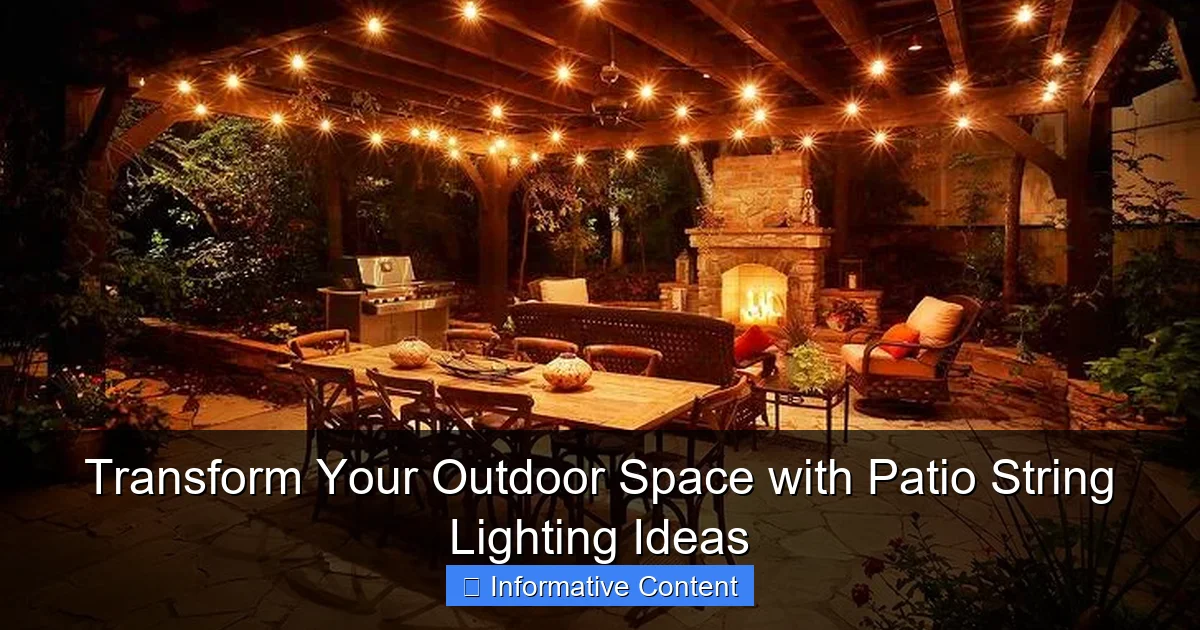
Visual guide about patio string lighting
Image source: utahlights.com
1. Bulb Type: LED vs. Incandescent
The first thing to consider is the bulb type. Here’s the lowdown:
- LED string lights: Energy-efficient, long-lasting (up to 25,000–50,000 hours), cool to the touch, and available in warm, cool, or color options. They’re pricier upfront but save money over time.
- Incandescent string lights: Warmer, softer glow—great for nostalgic, vintage vibes. But they use more energy, burn out faster (around 2,000–3,000 hours), and get hot. Best for occasional use.
For most people, I’d recommend LED patio string lighting. They’re safer, cheaper to run, and perfect for year-round use. Plus, many now come with smart features like dimming or color-changing modes.
2. Bulb Shape and Style
This is where personality comes in. The shape of the bulbs affects the mood and style of your space:
- Globe lights: Round, modern, and great for a clean, minimalist look. They cast even light and work well in contemporary patios.
- Edison bulbs: Vintage-style with visible filaments. Perfect for boho, rustic, or industrial themes. They give off a warm, amber glow that feels cozy and inviting.
- Teardrop or lantern-style bulbs: Elegant and slightly more formal. Great for dining areas or romantic settings.
- Mini or fairy lights: Delicate and magical. Ideal for wrapping around trees, railings, or draping across fences.
My go-to? A mix of globe and Edison bulbs. I use Edison for the main pergola area and globe lights along the fence for a softer, ambient glow.
3. Power Source: Plug-In, Solar, or Battery
How you power your lights matters—especially for safety and convenience.
- Plug-in lights: Most reliable and brightest. Best for permanent installations. Just make sure you have an outdoor-rated outlet nearby.
- Solar string lights: Eco-friendly and easy to install—no wiring needed. They charge during the day and turn on automatically at dusk. But they’re less bright and may not last all night on cloudy days.
- Battery-powered lights: Super portable and great for renters or temporary setups. But batteries need replacing, and brightness can fade over time.
For a permanent patio setup, I’d go with plug-in LED patio string lighting. If you’re renting or want flexibility, solar or battery options work great—just keep spare batteries or a backup solar charger handy.
4. Weather Resistance and Durability
Outdoor lights need to survive rain, wind, and UV exposure. Look for:
- IP65 or higher rating: This means the lights are dust-tight and protected against water jets. Essential for rainy climates.
- UV-resistant cords: Prevents yellowing and cracking from sun exposure.
- UL or ETL certification: Ensures safety standards are met.
One mistake I made early on? Buying cheap string lights that faded and frayed after one summer. Now I always check the weather rating—it’s worth spending a little more for longevity.
Creative Patio String Lighting Ideas to Inspire You
Now that you’ve got the basics down, let’s talk inspiration. The way you hang your patio string lighting can completely change the vibe of your outdoor space. Here are some creative ideas I’ve tried—and loved.
1. The Classic Pergola or Gazebo Drape
This is the gold standard. String lights across the top of your pergola in a zigzag, crisscross, or straight-line pattern. It creates a canopy of light that defines the space and feels intimate.
Pro tip: Use hooks or eye screws (not nails) to avoid damaging the wood. Space them every 18–24 inches for even coverage. For a softer look, drape the lights slightly—don’t pull them taut.
I once saw a neighbor do this with Edison bulbs and a dimmer switch. At full brightness, it was perfect for dining. At half, it was dreamy for stargazing. A dimmer is a small upgrade with big impact.
2. Wrap Trees, Posts, or Railings
Take your lighting vertical. Wrap lights around tree trunks, deck posts, or stair railings. It draws the eye upward and adds depth to your space.
How I do it: Start at the base and spiral upward, leaving a few inches between each wrap. Use zip ties or clips to secure the lights—don’t tie knots that could damage the wire.
Bonus: In winter, this creates a whimsical “fairy tree” effect, even without leaves. I leave mine up year-round and just switch to warmer bulbs in colder months.
3. Create a “Light Ceiling” with a Tent or Canopy
If you don’t have a pergola, create one! Hang a fabric canopy or shade sail between trees, posts, or your house and fence. Then drape patio string lighting across the underside.
This works especially well for small patios or balconies. I did this once for a friend’s tiny backyard. She used a white shade sail with globe lights. It felt like dining under a cloud of stars—and it cost under $100.
4. Line Pathways and Stairs
For safety and style, run string lights along garden paths, steps, or around the edge of your patio. Use low-voltage LED strips or mini string lights in clear or white.
Tip: Bury the cord in mulch or use cord covers to keep it safe and out of the way. I once tripped over an exposed wire—lesson learned!
This also helps guide guests at night and makes your space feel more intentional. It’s like a subtle invitation to explore every corner.
5. Mix and Match: Layer Different Types
Don’t be afraid to combine styles. Try:
- Edison bulbs over the dining table
- Globe lights along the fence
- Fairy lights in a potted plant or hanging basket
This layered look adds richness and prevents your space from feeling flat. I love using color-changing LED fairy lights in a glass jar for a centerpiece—it’s simple but stunning.
Installation Tips: How to Hang Patio String Lights Like a Pro
Even the best lights won’t shine if they’re poorly installed. Here’s how to hang your patio string lighting safely and beautifully—without stress or damage.
1. Plan Your Layout First
Before you start drilling or tying, sketch out your design. Use painter’s tape to mark where hooks or anchors will go. This helps you visualize spacing and avoid overloading circuits.
Pro move: Use a laser distance measurer to ensure even spacing. I once hung lights unevenly and didn’t notice until the next day. Redoing it was a pain—measure twice, hang once!
2. Use the Right Hardware
Not all fasteners are equal. Here’s what I use:
- For wood (pergolas, decks): Stainless steel eye screws or cup hooks. They resist rust and hold strong.
- For masonry (brick, stone): Masonry anchors with plastic sleeves. Drill a pilot hole first to avoid cracking.
- For vinyl or aluminum (fences, siding): Adhesive hooks rated for outdoor use. Avoid anything that could scratch or peel paint.
And never use nails or staples—they can pierce wires and create fire hazards.
3. Connect Multiple Strings Safely
Most string lights can be connected end-to-end, but check the packaging. A typical 24-foot string can connect to 2–3 others, depending on wattage.
Rule of thumb: Don’t exceed 80% of the manufacturer’s maximum connection limit. Overloading can cause overheating or blown fuses.
I once daisy-chained five strings and tripped the breaker. Now I use a power strip with surge protection and a GFCI outlet—safety first!
4. Protect Cords and Connections
Outdoor cords need extra care. Use:
- Weatherproof cord covers (like raceway or conduit) to protect against rain and UV.
- Extension cords with outdoor ratings and grounded plugs.
- Electrical tape on connections if they’re exposed.
And keep cords off the ground—run them under furniture or use cord clips to lift them. This prevents tripping and water damage.
5. Test Before You Commit
Always test your lights before hanging them permanently. Check for:
- Flickering or dim bulbs
- Hot spots (a sign of faulty wiring)
- Water resistance (if using in rain)
I once hung a whole set only to find one section wasn’t working. It took hours to fix. Now I test every string on the ground first.
Seasonal and Smart Lighting: Taking Your Patio to the Next Level
Why stop at static white lights? With a few upgrades, your patio string lighting can adapt to any season, mood, or event.
1. Color-Changing and RGB Lights
RGB (red, green, blue) LED lights let you shift colors with a remote or app. Perfect for:
- Holidays (red and green for Christmas, orange for Halloween)
- Parties (pulsing disco mode for birthdays)
- Relaxation (soft blue or purple for a spa vibe)
I use a smart RGB system that syncs with my phone. One tap, and my patio goes from dinner-party warm white to “movie night” deep blue. It’s like having a mood ring for my yard.
2. Smart Controls and Automation
Take it further with smart features:
- Voice control (“Hey Alexa, turn on patio lights”)
- Timers and schedules (lights turn on at sunset, off at 11 PM)
- Motion sensors (great for pathways or security)
My favorite? A sunset-to-sunrise mode. No more forgetting to turn the lights off—and my neighbors love the automatic glow every evening.
3. Seasonal Swaps
Change your lights with the seasons for a fresh look:
- Spring: Pastel colors or soft white with floral accents
- Summer: Bright white or warm amber for long nights
- Fall: Orange, yellow, or warm white with leaf garlands
- Winter: Cool white or blue for a frosty, magical feel
I keep a few extra sets stored in labeled bins. Switching them out takes 10 minutes and feels like redecorating—without the cost.
Common Mistakes to Avoid (And How to Fix Them)
Even seasoned DIYers make lighting blunders. Here are the ones I’ve seen (and made)—and how to avoid them.
1. Overcrowding or Sparse Lighting
Too many lights feel chaotic. Too few feel underwhelming. Aim for balance:
- For a 12×12 ft patio, use 40–60 bulbs.
- Space strings 18–24 inches apart.
- Use a mix of overhead and accent lighting.
I once hung lights too close and it looked like a carnival. Now I step back every few minutes to check the spacing.
2. Ignoring Power Needs
Running too many strings on one circuit? You’ll trip the breaker. Check:
- The total wattage of your lights (usually listed on packaging)
- Your outlet’s capacity (most outdoor outlets handle 15–20 amps)
Use a power meter or consult an electrician if unsure. Better safe than sorry!
3. Poor Cord Management
Messy cords ruin the look. Use:
- Zip ties or cord clips to keep wires tidy
- Concealed raceway or under-furniture routing
- Outdoor-rated extension cords with flat plugs (they fit behind furniture)
My trick? Run cords behind planters or along baseboards. No one notices them—but they’d definitely notice if they were dangling!
4. Skipping Maintenance
Even the best lights need care. Clean bulbs with a dry cloth, check for frayed wires annually, and replace burnt-out bulbs ASAP. A single dead bulb can affect the whole strand.
I do a “spring check” every year—clean, test, and tighten all connections. It takes 30 minutes and saves me from mid-summer surprises.
Data Table: Popular Patio String Light Options Compared
| Brand/Type | Bulb Type | Length | Power Source | Weather Rating | Special Features | Best For |
|---|---|---|---|---|---|---|
| Brightech Ambience Pro | LED Edison | 48 ft | Plug-in | IP65 | Dimmer, 24 bulbs | Permanent patios, dining areas |
| Sunlite Solar String Lights | LED Globe | 33 ft | Solar | IP64 | Auto-on at dusk, 10 modes | Balconies, renters, low-traffic areas |
| Twinkly Smart RGB Lights | LED RGB | 32 ft | Plug-in | IP44 | App control, music sync | Parties, tech lovers, color effects |
| Minetom Fairy Lights | LED Mini | 100 ft | Battery | IP54 | 8 modes, remote control | Wrapping trees, temporary setups |
| GE Enbrighten | LED Globe | 24 ft | Plug-in | IP65 | Linkable up to 450 ft | Large spaces, commercial use |
Final Thoughts: Light Up Your Life (Literally)
At the end of the day, patio string lighting is about more than just visibility. It’s about creating a space that feels like *you*—a place where you want to spend time, whether you’re hosting a party or just sipping coffee at sunrise.
I’ve seen string lights turn a concrete patio into a garden retreat, a small balcony into a romantic hideaway, and a simple yard into a neighborhood hotspot. And the best part? You don’t need a huge budget or professional help. With a little planning and creativity, anyone can do it.
So grab a ladder, a friend, and a set of lights. Start small—maybe just one strand across your dining area. Then watch how the magic unfolds. Because when the sun goes down and your lights come on, you’re not just illuminating your patio. You’re lighting up your life.
Frequently Asked Questions
What are the best patio string lighting ideas for small spaces?
For compact patios, opt for shorter 20-30 foot string lights with warm white bulbs spaced closely together. Drape them in zigzag patterns across railings or use globe lights overhead to create ambiance without overwhelming the space.
How do I install patio string lighting without drilling holes?
Use adhesive outdoor hooks, tension rods between posts, or wrap lights around existing structures like trees, fences, or pergola beams. Many modern patio string lighting kits come with removable mounting options perfect for renters.
Are LED string lights suitable for year-round outdoor use?
Yes, high-quality LED patio string lights with IP65+ weather resistance ratings can withstand rain, snow, and temperature extremes. Look for commercial-grade options with replaceable bulbs for longevity.
What’s the ideal spacing for patio string lights above a seating area?
Hang lights 8-10 feet apart in parallel strands or crisscross patterns to eliminate dark spots. For dining areas, lower them to 7-8 feet to create intimate, glare-free illumination.
Can I connect multiple patio string light strands end-to-end?
Most sets allow 2-3 strands to be connected, but always check manufacturer specifications first. Exceeding the recommended wattage or length can cause overheating or voltage drops, dimming bulbs.
How do I choose between warm white and colored patio string lighting?
Warm white (2700-3000K) creates cozy, timeless ambiance ideal for everyday use, while colored lights work for themed events or holidays. Many patio string lighting sets now offer color-changing LEDs for versatility.