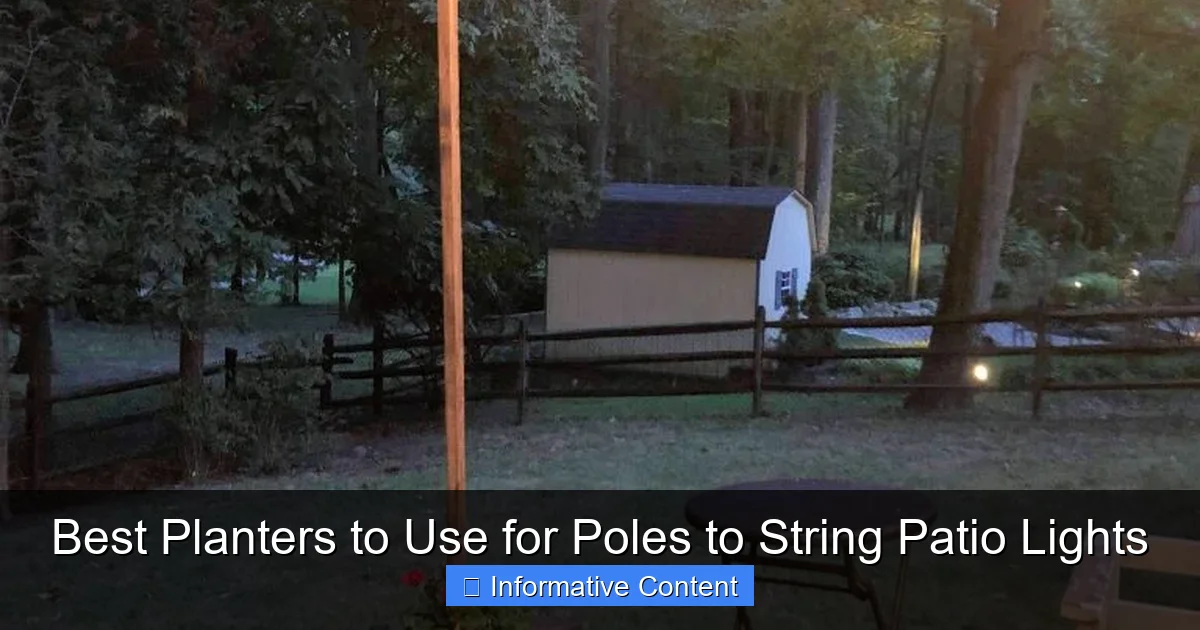
Featured image for planters to use for poles to string patio lights
Image source: thishomemadeheaven.com
The best planters for poles to string patio lights combine stability, style, and weather resistance to keep your outdoor space safe and stunning. Look for heavy-duty options like cement-filled fiberglass or weighted resin planters that anchor poles securely while complementing your décor. These durable choices prevent tipping in wind and support long-term lighting setups with minimal maintenance.
Key Takeaways
- Choose sturdy planters: Ensure they can anchor poles securely in windy conditions.
- Prioritize weight: Heavier planters prevent tipping when supporting tall or multiple poles.
- Opt for drainage holes: Protect plants and avoid waterlogging with proper drainage.
- Match aesthetics: Select styles that complement your patio décor and lighting design.
- Use fillers: Add sand or gravel to increase stability and adjust pole height.
- Measure pole diameter: Confirm planter openings fit your string light poles snugly.
📑 Table of Contents
- Why Planters Make Perfect Bases for Patio Light Poles
- What to Look for in a Planter for Light Poles
- Top 5 Planter Types for Stringing Patio Lights
- How to Install and Secure the Pole in the Planter
- Creative Ideas and Pro Tips for Using Planters with Patio Lights
- Comparison Table: Top Planters for Patio Light Poles
- Final Thoughts: Choosing the Right Planter for Your Patio
Why Planters Make Perfect Bases for Patio Light Poles
There’s something magical about stringing up patio lights on a warm evening. The soft glow, the cozy atmosphere—it transforms an ordinary backyard into a retreat. But here’s a problem many of us face: how do you anchor those lights securely when you don’t have trees or walls? I learned this the hard way during my first summer in my new home. I had the lights, the poles, the extension cords—everything. But no sturdy anchor points. I tried using sandbags, but they shifted. I tried driving stakes into the ground, but the soil was too hard. Then, a friend suggested planters.
Planters aren’t just for flowers and shrubs. When filled with soil or sand, they can become stable, attractive bases for poles to string patio lights. They’re portable, customizable, and blend beautifully with your outdoor decor. Whether you’re lighting up a small balcony or a sprawling backyard, the right planter can solve your anchoring dilemma while adding greenery or color to your space. But not all planters are created equal for this job. Some are too light. Some tip over easily. Some just don’t look right. In this guide, I’ll walk you through the best planters to use for poles to string patio lights, based on real-world testing, durability, and design.
What to Look for in a Planter for Light Poles
Choosing the right planter isn’t just about picking something pretty. It’s about function, stability, and longevity. When you’re using a planter to support a pole that holds lights—possibly in windy conditions—you need a planter that’s up to the task. Here’s what I’ve learned after years of trial, error, and a few near-catastrophes (one pole took a dive during a summer storm).
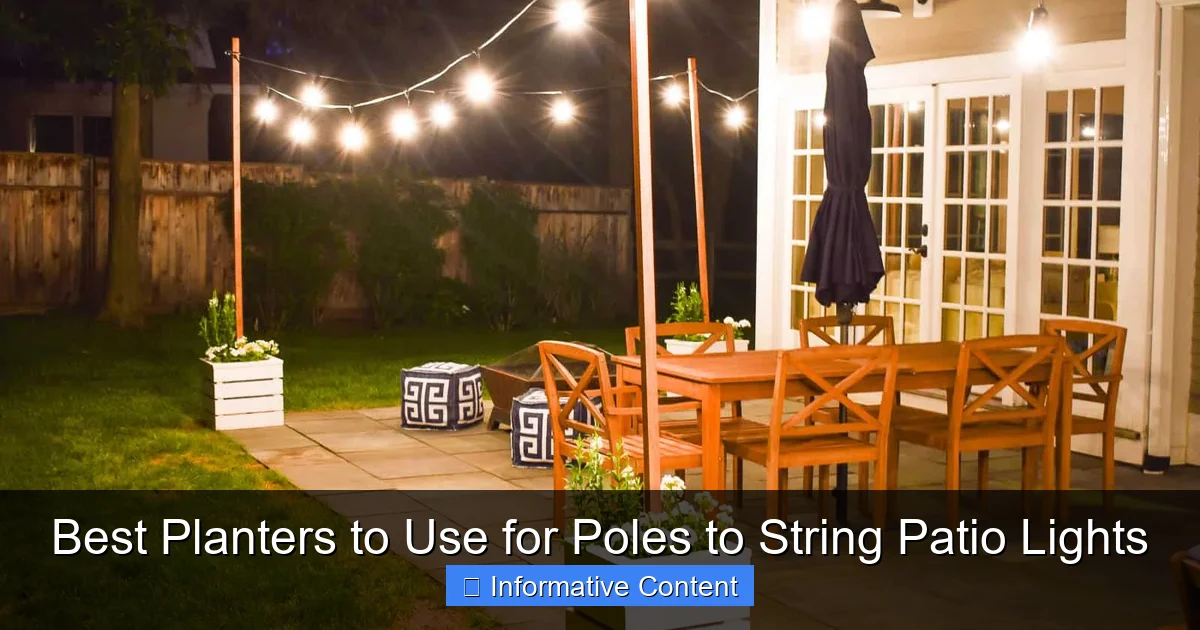
Visual guide about planters to use for poles to string patio lights
Image source: atcharlotteshouse.com
Weight and Stability
The first rule: heavier is better. A lightweight planter might look sleek, but it won’t resist wind, accidental bumps, or the tension from taut light strings. I’ve found that planters weighing at least 15–20 pounds when filled are ideal. Concrete, cast stone, and large terracotta planters naturally offer this. If you’re using a lighter material like plastic or fiberglass, make sure it has a wide base and can be filled with sand or soil for added ballast.
Pro tip: Fill the bottom third with gravel or sand, then top with soil. This adds weight low in the planter, lowering the center of gravity and reducing the chance of tipping.
Size and Base Width
Wider is better. A planter with a broad base (18 inches or more in diameter) resists tipping far better than a narrow one. I once used a tall, slender ceramic planter for a 7-foot pole. It looked elegant—until a gust of wind sent it crashing down, narrowly missing my patio furniture. Now, I stick to planters with a base at least 1.5 times the height of the pole. For a 6-foot pole, that means a 9-inch minimum base, but 12–18 inches is ideal.
Also, consider the pole insert. Some planters come with built-in sleeves or holes for poles. Others require you to drill or use a separate adapter. Look for planters with a central hole (usually 2–3 inches in diameter) or ones that can accommodate a PVC pipe or metal sleeve securely.
Material Durability and Weather Resistance
Outdoor planters face sun, rain, wind, and temperature swings. The material must hold up. Here’s a quick rundown:
- Concrete or cast stone: Extremely durable and heavy. Great for permanent setups. Can be pricey, but worth it for stability.
- Terracotta: Classic look, but can crack in freezing temperatures. Best in mild climates or with winter storage.
- Fiberglass or resin: Lightweight but can be reinforced with sand. Resists cracking and fading. Many mimic stone or wood at a fraction of the weight.
- Metal (galvanized steel, copper): Stylish but can rust unless powder-coated. Good for modern aesthetics.
- Wood (cedar, teak, composite): Warm, natural look. Ensure it’s treated for outdoor use and sealed to prevent rot.
I’ve had the best luck with fiberglass and concrete. They’re tough, look great, and don’t mind a little rain.
Aesthetic and Design Compatibility
Your planters should enhance your patio, not clash with it. Think about your outdoor theme: modern, rustic, boho, minimalist? A sleek fiberglass planter works in a contemporary space. A weathered stone planter fits a cottage garden. I once tried using bright red plastic planters in a neutral backyard—they stuck out like a sore thumb. Now, I match the planter color to my outdoor furniture or surrounding plants.
Bonus: You can plant trailing vines, succulents, or ornamental grasses in the planter to soften the look and hide the pole base. I love using trailing petunias or ivy—they drape beautifully and make the setup feel organic.
Top 5 Planter Types for Stringing Patio Lights
After testing over a dozen options (and breaking a few), here are the five planter types I recommend—ranked by performance, style, and ease of use.
1. Concrete Planters (Best for Permanent Setups)
Concrete planters are the gold standard for stability. They’re heavy, weatherproof, and can support poles up to 10 feet tall. I use two large concrete planters (24-inch diameter) at the corners of my patio. Each holds a 7-foot galvanized steel pole, and the lights run between them with zero wobble—even in 20 mph winds.
Pros:
- Extremely stable and wind-resistant
- Long-lasting and low maintenance
- Available in modern and traditional styles
Cons:
- Very heavy (not easy to move once filled)
- Higher cost ($80–$200 per planter)
- Can crack if water freezes inside (drill a drainage hole if needed)
For best results, choose a planter with a built-in pole sleeve or a central hole. Brands like Campania International and Fiberclay offer models specifically designed for outdoor poles.
2. Large Fiberglass/Resin Planters (Best for Portability)
If you want the look of stone or concrete but need to move the planters seasonally, fiberglass or resin is the way to go. These planters are lightweight when empty but can weigh 20–30 pounds when filled with sand and soil. I use a pair of 20-inch fiberglass planters on my balcony. They’re easy to reposition, and the sand-filled base keeps the poles steady.
Pros:
- Lightweight when empty (easy to store)
- Resists cracking, fading, and rust
- Mimics stone, wood, or metal at a lower price
Cons:
- Can look cheap if low-quality (stick to reputable brands)
- May need internal reinforcement (e.g., PVC sleeve) for tall poles
Look for planters labeled “commercial-grade” or “UV-stabilized.” Brands like Mayne and Keter offer excellent options with built-in pole inserts.
3. Terracotta Planters (Best for Classic, Natural Look)
Terracotta planters bring warmth and tradition to your patio. They’re porous, which helps with drainage, but that also means they absorb moisture—and can crack in freezing temperatures. I use two 18-inch terracotta planters in my garden, but I bring them indoors in winter.
Pros:
- Timeless, rustic aesthetic
- Good weight when filled (15–25 lbs)
- Natural material that blends with plants
Cons:
- Brittle and can crack in cold weather
- May need a liner to prevent soil from washing out
- Not ideal for very tall poles (stick to 5–6 feet max)
For best results, line the planter with landscape fabric and use a metal pole sleeve (available at hardware stores) for extra support.
4. Metal Planters (Best for Modern, Industrial Style)
Galvanized steel or powder-coated metal planters offer a sleek, urban look. I have a pair of 16-inch galvanized steel planters flanking my back door. They’re sturdy, rust-resistant, and perfect for a minimalist patio.
Pros:
- Durable and weather-resistant (if powder-coated)
- Lightweight when empty
- Modern, industrial aesthetic
Cons:
- Can rust if coating is damaged
- Metal conducts heat—planter can get hot in direct sun
- May need a rubber liner to protect pole from scratches
Choose planters with a wide base and consider adding sand for extra weight. Brands like AllModern and West Elm offer stylish options.
5. Wooden Planters (Best for Warm, Natural Ambiance)
Wooden planters—especially cedar, teak, or composite—add warmth and texture. I use a 24-inch cedar planter on my deck. It’s filled with soil and sand, and the pole sits snugly in a central PVC sleeve.
Pros:
- Natural, inviting appearance
- Good weight when filled
- Can be stained or painted to match decor
Cons:
- Requires regular sealing to prevent rot
- Can warp or crack over time
- Not as stable as concrete (use sand/soil ballast)
For longevity, choose planters made from rot-resistant wood or composite materials. Brands like Lifetime and Lifetime Garden offer durable options.
How to Install and Secure the Pole in the Planter
Even the best planter won’t help if the pole isn’t installed correctly. Here’s my step-by-step method for a rock-solid setup.
Step 1: Choose the Right Pole
Use a pole made of galvanized steel, aluminum, or heavy-duty PVC. I prefer 1.5-inch diameter poles for stability. For lights, a 6–8 foot height works well. Avoid flimsy poles—they’ll wobble in wind.
Step 2: Prepare the Planter
Fill the bottom 30% with sand or gravel for ballast. This lowers the center of gravity. Then add soil (if you plan to grow plants) or more sand. Leave 2–3 inches at the top for the pole sleeve.
Step 3: Insert the Pole Sleeve
If your planter doesn’t have a built-in sleeve, insert a PVC pipe or metal sleeve (2–3 inches in diameter) into the center. Use outdoor-grade adhesive (like PL Premium) to secure it in the planter. Let it cure for 24 hours.
Pro tip: Wrap the pole with foam pipe insulation before inserting it into the sleeve. This reduces vibration and wear.
Step 4: Secure the Pole
Insert the pole into the sleeve. For extra stability, use a set screw or zip ties (if the sleeve allows). I also use a guy wire system—attach thin, clear fishing line from the top of the pole to stakes in the ground. It’s nearly invisible but adds tremendous support.
Step 5: Test for Stability
Gently shake the pole. If it wobbles, add more sand or adjust the guy wires. The pole should move less than 1 inch in any direction.
Creative Ideas and Pro Tips for Using Planters with Patio Lights
Planters aren’t just functional—they’re a design opportunity. Here are some creative ways to elevate your setup.
Use Plants to Hide the Pole Base
Plant trailing vines (like ivy, petunias, or sweet potato vine) around the pole. They’ll climb and drape, softening the look. I use a mix of annuals and perennials for year-round greenery.
Mix and Match Planter Styles
For a boho or eclectic patio, use different planter types on each side. A concrete planter on one end, a terracotta on the other—just keep the pole height and light spacing consistent.
Light the Planter Itself
Add LED strip lights around the rim of the planter or place solar-powered stake lights nearby. This creates a layered lighting effect. I use warm white LEDs for a cozy glow.
Seasonal Swaps
Change plants and planter decor with the seasons. In summer, use bright flowers. In fall, swap in mums or ornamental kale. In winter, add evergreen boughs or fairy lights inside the planter.
Use Planters as Room Dividers
Place two planters with poles at the edge of your patio to create a “lighted archway.” String lights between them, and you’ve defined a cozy nook.
Comparison Table: Top Planters for Patio Light Poles
| Planter Type | Best For | Weight (Filled) | Wind Resistance | Price Range | Lifespan |
|---|---|---|---|---|---|
| Concrete | Permanent setups, tall poles | 30–50+ lbs | Excellent | $80–$200 | 10–20 years |
| Fiberglass/Resin | Portability, modern style | 20–30 lbs | Very Good | $50–$150 | 8–15 years |
| Terracotta | Classic look, mild climates | 15–25 lbs | Good | $30–$100 | 5–10 years (if protected from freeze) |
| Metal (Powder-Coated) | Modern, industrial spaces | 15–20 lbs | Good | $40–$120 | 7–12 years |
| Wood (Cedar/Composite) | Warm, natural ambiance | 20–35 lbs | Good | $60–$180 | 8–15 years (with sealing) |
Final Thoughts: Choosing the Right Planter for Your Patio
When it comes to stringing patio lights, the right planter can be a game-changer. It’s not just about holding the pole—it’s about creating a beautiful, functional, and safe setup that enhances your outdoor space. Whether you choose heavy-duty concrete for a permanent installation or a lightweight fiberglass planter for flexibility, the key is stability, size, and style.
I’ve used nearly every type of planter over the years, and the ones that work best are those that balance form and function. They’re heavy enough to resist wind, wide enough to prevent tipping, and attractive enough to complement your patio’s vibe. And don’t forget the plants! A well-chosen vine or flower can turn a utilitarian pole into a stunning garden feature.
So, the next time you’re planning to string up lights, think beyond the pole. Think about the planter as part of the design. With the right one, you’ll have a patio that’s not just lit—but truly magical. Happy lighting! 🌟
Frequently Asked Questions
What are the best planters to use for poles to string patio lights?
The best planters for poles to string patio lights are sturdy, weather-resistant options like large ceramic, fiberglass, or metal planters. Ensure they have enough weight or anchoring capacity to support the tension of the lights without tipping.
Can I use regular planters to anchor poles for patio lights?
Regular planters can work if they’re deep, heavy, and wide enough to stabilize the poles. For lightweight planters, add sandbags or gravel to the base for extra stability.
Do planters for patio light poles need drainage holes?
Yes, drainage holes are important to prevent water buildup, which can damage both the planter and the pole. If your planter lacks holes, drill some or use a self-watering liner to protect the structure.
How do I secure the poles in planters for string lights?
Insert the pole into a PVC sleeve or conduit buried in the planter’s soil or weighted base, then stabilize it with quick-setting concrete or expandable foam. This ensures the pole stays upright under tension.
Are there planters specifically designed for poles to string patio lights?
While no planters are *exclusively* made for this purpose, some brands offer weighted or modular designs with pole inserts. Look for tall, heavy planters marketed for outdoor decor or commercial use.
What size planter should I use for patio light poles?
Choose a planter at least 18–24 inches wide and deep for stability, depending on pole height and wind exposure. Larger planters (30+ inches) work best for taller poles or heavy-duty string lights.