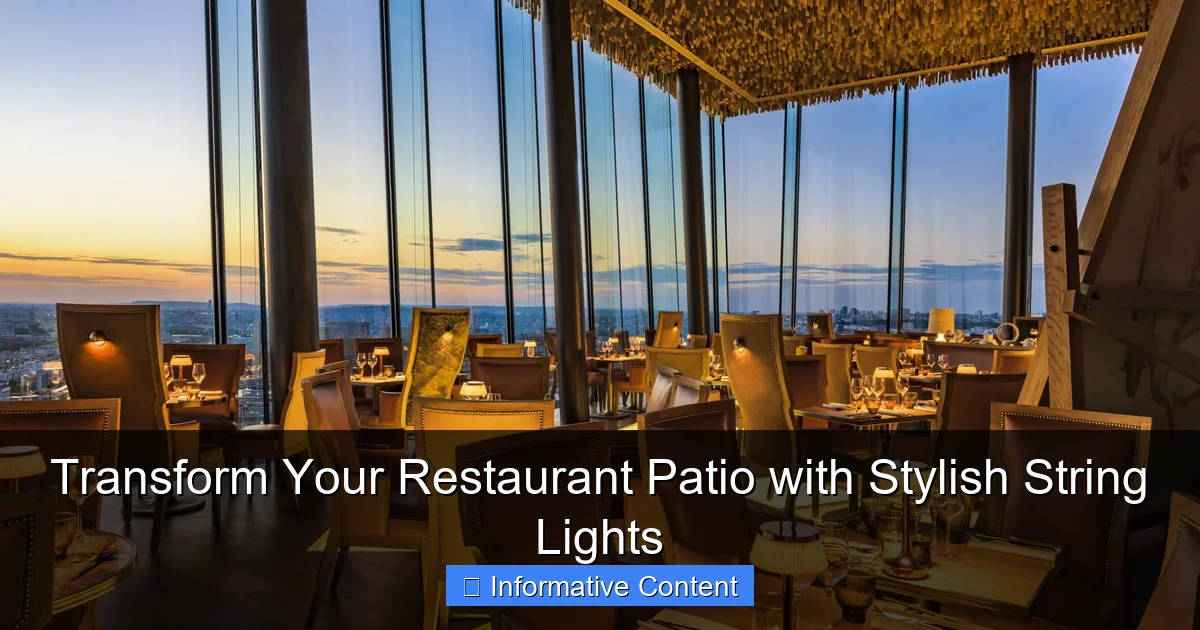
Featured image for restaurant patio string lights
Image source: toohotel.com
Elevate your restaurant patio’s ambiance instantly with stylish string lights that blend functionality and flair, creating an inviting atmosphere for guests after dark. From vintage Edison bulbs to energy-efficient LEDs, these versatile lighting solutions enhance curb appeal, extend dining hours, and boost customer satisfaction with minimal effort.
Key Takeaways
- Choose weather-resistant lights: Ensure durability with outdoor-rated string lights for long-term use.
- Layer lighting: Combine string lights with lanterns or candles for dynamic ambiance.
- Opt for warm hues: 2700K-3000K bulbs create inviting, cozy patio vibes.
- Install strategically: Hang lights at 8-10ft height to avoid glare and maximize coverage.
- Use dimmers: Adjust brightness to match daytime vs. nighttime dining moods.
- Prioritize safety: Use UL-certified lights and secure wiring to prevent hazards.
📑 Table of Contents
- Why Your Restaurant Patio Needs String Lights
- How String Lights Create an Unforgettable Atmosphere
- Choosing the Right Type of String Lights for Your Patio
- Creative Ways to Hang String Lights for Maximum Impact
- Maintenance and Safety: Keeping Your Patio Lights in Top Shape
- Cost, ROI, and Real-World Success Stories
- Final Thoughts: Light Up Your Patio, Light Up Your Business
Why Your Restaurant Patio Needs String Lights
Imagine this: You’re sitting at your favorite restaurant, the sun has just dipped below the horizon, and the soft glow of string lights begins to dance above you. The atmosphere shifts instantly—what was a simple outdoor space now feels like a cozy, inviting haven. That’s the magic of restaurant patio string lights. They’re not just decorations; they’re mood setters, conversation starters, and revenue boosters all in one.
For restaurant owners, creating an unforgettable ambiance is key to keeping guests lingering longer and returning often. And while menu quality and service matter, it’s the little details—like lighting—that often leave the biggest impression. String lights have become a staple in outdoor dining spaces, and for good reason. They’re affordable, easy to install, and instantly elevate any patio from ordinary to extraordinary. Whether you run a bustling downtown bistro or a quiet countryside eatery, the right lighting can transform your space into a destination.
How String Lights Create an Unforgettable Atmosphere
Lighting isn’t just about visibility—it’s about emotion. The way light hits a table, the way shadows play on a brick wall, the way a warm glow makes guests feel at ease—all of these contribute to the dining experience. String lights excel at this because they mimic natural light sources like fireflies or candlelight, which humans are naturally drawn to.
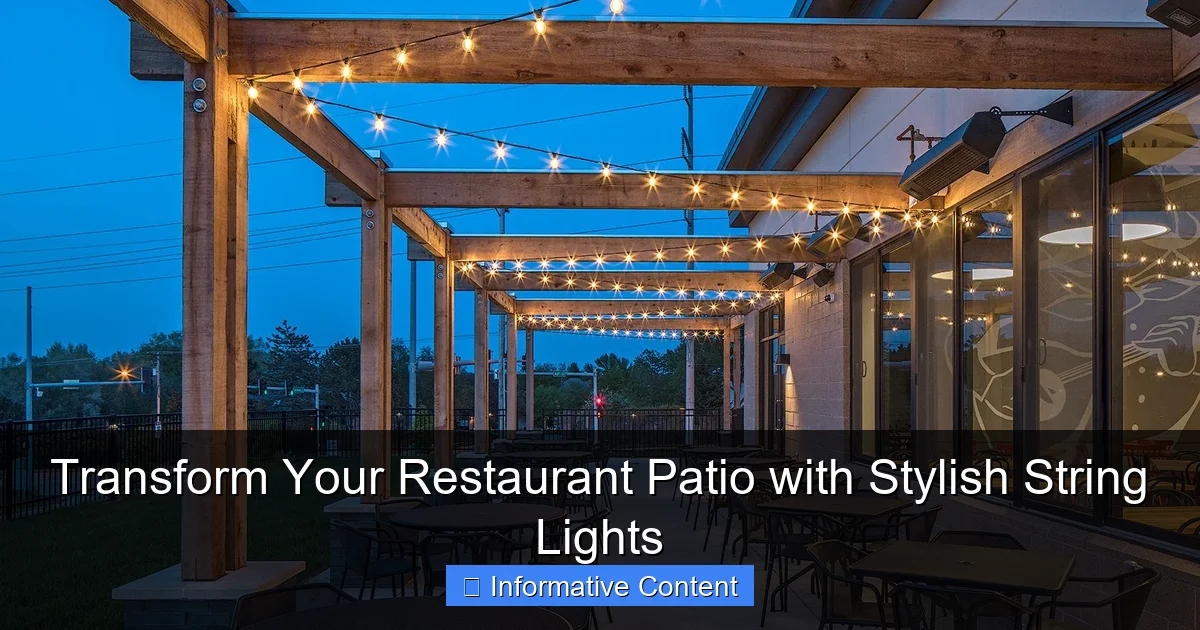
Visual guide about restaurant patio string lights
Image source: i.pinimg.com
The Science Behind Ambient Lighting
Studies show that warm, dim lighting (around 2,700K to 3,000K color temperature) reduces stress and encourages relaxation. This is why candlelit dinners feel romantic and why dimmer restaurants often have longer average stay times. String lights, especially those with warm white or amber LEDs, create a similar effect. They’re not harsh like fluorescent lights, nor are they blinding like spotlights. Instead, they offer a gentle, diffused glow that makes guests feel comfortable and welcome.
One restaurant owner in Portland shared that after adding string lights, their average table turnover time increased by 15 minutes. “People just didn’t want to leave,” she said. “They’d order another round of drinks, share dessert, and just sit and talk. It was like we’d created a mini vacation right outside our door.”
Design Psychology: Why Guests Love String Lights
Beyond the technical benefits, string lights tap into something deeper—nostalgia. Think of childhood summer nights, backyard barbecues, or holiday decorations. String lights evoke memories of joy, connection, and celebration. When guests see them, they’re subconsciously reminded of happy times, which makes them associate your restaurant with positive feelings.
Plus, they’re photogenic. In the age of Instagram, a beautifully lit patio is a marketing tool. Guests are more likely to snap a photo and share it online if the setting looks “instagrammable.” This free publicity can attract new customers who want to experience the same vibe.
Real-World Example: The “Twilight Effect”
A small Italian restaurant in Austin noticed a significant drop in evening reservations during cooler months. After installing string lights with a mix of globe and Edison-style bulbs, they saw a 30% increase in bookings. “The patio used to feel empty after 7 PM,” the owner explained. “Now, it’s the most popular spot. People come just to sit under the lights, even if they’re not hungry.”
This “twilight effect” is common. When your patio is lit beautifully, it becomes a destination in its own right—not just an extension of your indoor space.
Choosing the Right Type of String Lights for Your Patio
Not all string lights are created equal. The right choice depends on your patio’s size, style, climate, and budget. Here’s how to pick the best fit for your restaurant.
1. Bulb Style: Globe, Edison, or Fairy?
- Globe lights: These are round bulbs, often with a vintage or retro feel. They’re great for creating a soft, even glow and work well over dining tables or lounge areas. Example: A rooftop bar in Miami used clear globe lights to create a “floating” effect, with bulbs spaced just far enough apart to feel magical but not sparse.
- Edison bulbs: With their exposed filaments and vintage design, these are perfect for rustic or industrial-themed patios. They emit a warmer, more directional light, so they’re ideal for highlighting specific areas (like a bar or fire pit).
- Fairy lights: Delicate and tiny, these are best for adding sparkle to railings, trees, or pergolas. They’re not bright enough for primary lighting but add a whimsical touch. A garden-style restaurant in Seattle used fairy lights in hanging mason jars to mimic fireflies.
2. Power Source: Plug-In vs. Solar
- Plug-in lights: These offer consistent brightness and are ideal for patios with easy access to outlets. However, they require careful cable management to avoid tripping hazards. Tip: Use outdoor-rated extension cords and secure cords with zip ties or conduit.
- Solar lights: Great for remote or off-grid patios. They charge during the day and turn on automatically at dusk. The downside? They may not be bright enough on cloudy days. A farm-to-table restaurant in Vermont uses solar fairy lights on their herb garden trellis—perfect for subtle accent lighting.
3. Weather Resistance: IP Ratings Matter
Outdoor lights must withstand rain, wind, and temperature changes. Look for an IP (Ingress Protection) rating of at least IP65, which means the lights are dust-tight and can handle low-pressure water jets. For coastal areas with salty air, consider IP67 (protected against temporary immersion).
One restaurant in San Diego learned the hard way: After a winter storm, their unrated string lights shorted out. They replaced them with IP67-rated Edison bulbs, which have lasted three seasons and counting.
4. Brightness and Spacing
Too many lights can feel overwhelming; too few can look sparse. A good rule of thumb:
- For dining areas: Space bulbs 6–12 inches apart.
- For ambient glow: Use 10–15 watts per linear foot.
- For accent lighting (e.g., along a fence): Space bulbs 12–18 inches apart.
Pro tip: Test your layout with temporary clips before committing to permanent installation.
Creative Ways to Hang String Lights for Maximum Impact
How you hang your lights matters as much as the lights themselves. The right installation can turn a simple setup into a showstopper.
1. Classic Canopy: The “Draped” Look
Hang lights in a zigzag or crisscross pattern between posts, trees, or pergolas. This creates a “roof” of light that defines the space. For stability, use heavy-duty hooks or eye screws (not nails, which can damage wood). A French bistro in New Orleans used this method over their courtyard, with lights anchored to wrought-iron railings.
Tip: Add slight tension to the wires so they don’t sag in the rain.
2. Vertical Accents: Up and Over
Use lights to draw the eye upward. Try:
- Wrapping them around tree trunks (use zip ties for easy removal).
- Running them from a pergola to a nearby wall (create a “light bridge”).
- Hanging them vertically from a high point to the ground (like a waterfall).
A Mexican restaurant in Denver used vertical lights on their patio’s adobe walls, making the space feel taller and more dramatic.
3. The “Floating” Effect
For a magical vibe, suspend lights between two points without visible supports. Use:
- Fishing line or clear nylon wire to attach bulbs to branches or railings.
- Hanging planters with lights tucked inside (e.g., mason jars or glass orbs).
An ice cream parlor in Portland did this with fairy lights inside paper lanterns—guests said it felt like “a fairy tale.”
4. Zoning Your Patio
Use different lighting styles to define areas:
- Warm white Edison bulbs over dining tables.
- Color-changing LEDs near the bar for a party vibe.
- Dim, soft globe lights in a lounge corner.
A seafood shack in Maine used this zoning to separate their casual picnic tables (bright lights) from their private fire pit area (candle-like flickering bulbs).
5. Seasonal Flexibility
Install lights on removable tracks or pulleys so you can adjust them seasonally. For example:
- Use shorter strands in summer to avoid blocking breezes.
- Add more lights in winter to combat shorter days.
One café in Colorado uses retractable wire systems—their staff can raise or lower lights in under 10 minutes.
Maintenance and Safety: Keeping Your Patio Lights in Top Shape
Beautiful lights are only effective if they’re safe and functional. Neglecting maintenance can lead to outages, hazards, or costly replacements.
1. Regular Inspections
Check your lights at least once a season for:
- Frayed wires or exposed insulation.
- Bulbs that flicker or don’t turn on.
- Loose connections or sagging wires.
A restaurant in Chicago lost power to half their patio lights after a storm. A quick inspection revealed a corroded plug—replacing it saved them a $200 repair bill.
2. Cleaning and Storage
Outdoor lights collect dust, pollen, and bird droppings. Clean them gently with a damp cloth and mild soap. For stubborn grime, use a soft brush. Never use high-pressure washers—they can damage seals.
If you remove lights seasonally, store them coiled loosely in a dry, dark place. Avoid plastic bags, which can trap moisture. One owner in Florida learned this the hard way when their lights molded over winter.
3. Safety First: Electrical and Fire Risks
- Use GFCI outlets: These cut power instantly if there’s a ground fault (common in wet conditions).
- Don’t overload circuits: Check your breaker’s wattage limit. A rule of thumb: 100 watts per outlet.
- Secure all connections: Use waterproof connectors or electrical tape on splices.
- Keep lights away from flammable materials: No lights on dry grass, wooden awnings, or fabric canopies.
An outdoor pizza place in California had a small fire when lights touched a paper menu. They switched to LED bulbs (which run cooler) and added fire-resistant clips.
4. Weatherproofing Tips
- For high-wind areas, use wind-resistant hooks or tension cables.
- In snowy climates, angle lights so snow slides off.
- For coastal patios, choose lights with stainless steel hardware to resist salt corrosion.
Cost, ROI, and Real-World Success Stories
Let’s talk numbers. How much should you invest in string lights, and what’s the payoff?
Upfront Costs: What to Expect
Here’s a breakdown of average costs for a 50-foot patio setup:
| Item | Low-End | Mid-Range | High-End |
|---|---|---|---|
| String lights (50 ft) | $30–$50 (basic LED) | $80–$150 (weatherproof, dimmable) | $200–$400 (smart, color-changing) |
| Installation (DIY vs. pro) | $0 (DIY) | $100–$300 (hanging, wiring) | $500+ (custom design) |
| Accessories (hooks, clips, etc.) | $20–$50 | $50–$100 | $100–$200 |
| Total | $50–$100 | $230–$550 | $800–$1,100 |
Note: Prices vary by region and supplier. Always buy from reputable vendors with warranties.
Return on Investment (ROI)
While exact numbers depend on your restaurant, here’s what owners have seen:
- Increased revenue: A wine bar in Nashville reported a 20% rise in evening sales after installing lights. “People stay longer and order more,” the owner said.
- Higher social media engagement: A taco truck in Austin gained 500+ Instagram followers after posting a photo of their lit patio.
- Extended patio season: A café in Boston kept their outdoor space open two extra months in fall, thanks to cozy lighting.
One study by the National Restaurant Association found that well-lit outdoor spaces can increase customer spending by 12–15%. For a restaurant with $10,000 in monthly patio sales, that’s an extra $1,200–$1,500 per month.
Success Story: The “Lighting Makeover”
A family-owned diner in Wisconsin had a drab, underused patio. They invested $600 in mid-range Edison bulbs, installed them in a crisscross pattern, and added fairy lights to their fence. Within three months:
- Patio reservations doubled.
- Yelp reviews mentioned “cozy,” “magical,” and “romantic” 47 times.
- They hosted their first outdoor wedding (a $5,000 booking).
“The lights paid for themselves in two weeks,” the owner said.
Final Thoughts: Light Up Your Patio, Light Up Your Business
Restaurant patio string lights are more than a design choice—they’re a strategic investment. They create a warm, inviting atmosphere that keeps guests comfortable, encourages longer stays, and boosts your bottom line. But the key is thoughtful planning. Choose lights that match your patio’s style, install them creatively, and maintain them diligently.
Start small if you’re unsure. Try a few strands over your most popular tables, then expand based on guest feedback. Remember, lighting is about emotion, not just function. When done right, it turns your patio into a place people don’t just eat—they remember.
So go ahead: String up those lights, dim the overheads, and watch your outdoor space transform. Your guests—and your profits—will thank you.
Frequently Asked Questions
What are the best types of restaurant patio string lights for outdoor durability?
Look for commercial-grade, weatherproof string lights with shatterproof bulbs and waterproof connectors. LED Edison-style or globe lights are popular choices, offering both ambiance and resilience against rain, wind, and UV exposure.
How do I choose the right brightness for my restaurant patio?
Opt for dimmable LED string lights with a warm white color temperature (2700K-3000K) to create a cozy yet functional atmosphere. Aim for 10-20 lumens per square foot to ensure visibility without overpowering the space.
Can I leave restaurant patio string lights up year-round?
Yes, if they’re rated for outdoor use and installed properly. Choose commercial-grade lights with a high IP rating (e.g., IP65) and secure them tightly to withstand seasonal weather changes.
How should I arrange string lights for optimal patio coverage?
Use a grid, zigzag, or canopy pattern to distribute light evenly. Hang lights 8-10 feet above seating areas, ensuring bulbs are spaced 6-12 inches apart for consistent illumination.
Are solar-powered string lights suitable for restaurant patios?
Solar lights work well in sunny locations but may lack brightness for evening service. For reliability, choose plug-in or hardwired options with backup battery packs for cloudy days.
Do string lights require special permits for restaurant patio use?
Check local codes, as some areas require permits for electrical installations or permanent fixtures. Always hire a licensed electrician for hardwired setups to ensure compliance with safety standards.