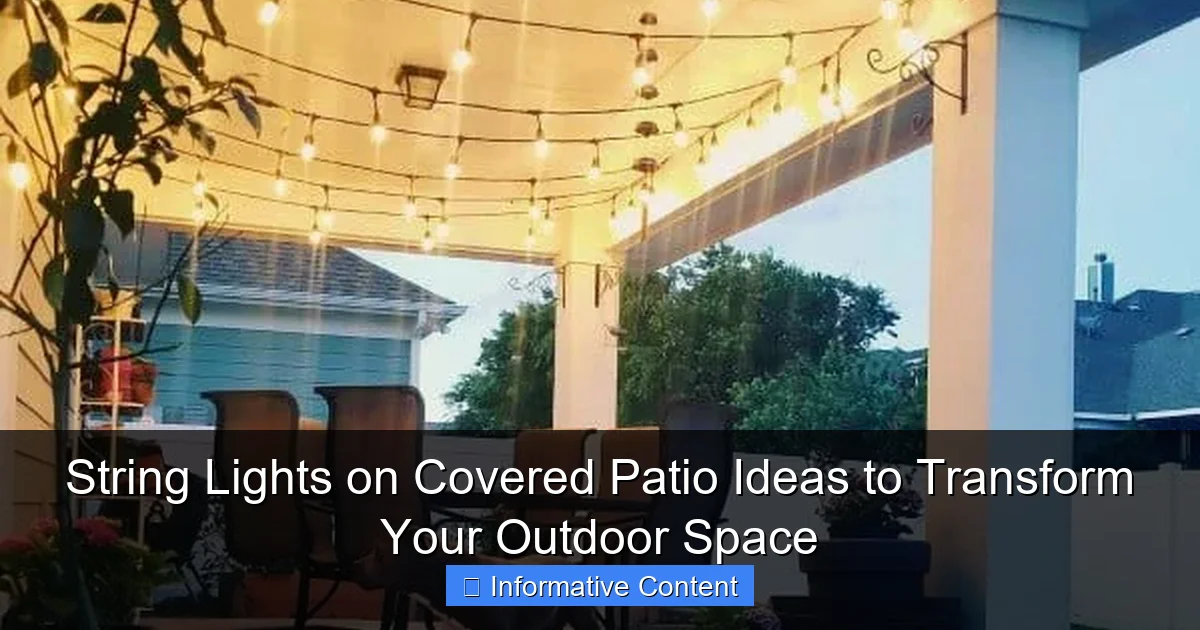
Featured image for string lights on covered patio ideas
Image source: nextluxury.com
String lights instantly elevate a covered patio, creating a warm, inviting ambiance perfect for entertaining or relaxing. From zigzag patterns and draped canopies to Edison bulbs and color-changing LEDs, creative placement and bulb styles can transform your outdoor space into a stylish nighttime retreat—no matter the season or weather.
Key Takeaways
- Layer lights creatively: Combine string lights with lanterns for a dynamic glow.
- Choose weatherproof options: Ensure durability with outdoor-rated string lights.
- Highlight key areas: Frame seating or dining zones for focused ambiance.
- Use dimmers or timers: Adjust brightness and save energy effortlessly.
- Install with care: Secure lights properly to avoid damage or sagging.
- Mix bulb styles: Pair warm and cool tones for visual interest.
📑 Table of Contents
- Why String Lights on a Covered Patio Can Change Everything
- 1. Choosing the Right Type of String Lights for Your Covered Patio
- 2. Creative Ways to Hang String Lights on a Covered Patio
- 3. Design Ideas for Different Patio Styles & Themes
- 4. Practical Tips for Installation & Maintenance
- 5. Budget-Friendly & Eco-Friendly Options
- 6. Real-Life Inspiration: Before & After Examples
- Final Thoughts: Make Your Covered Patio Shine
Why String Lights on a Covered Patio Can Change Everything
Picture this: It’s a warm summer evening. The air is still, the sun has dipped below the horizon, and you’re curled up on your covered patio with a glass of iced tea. Above you, a canopy of soft, twinkling string lights casts a golden glow, turning your outdoor space into something straight out of a movie scene. There’s a reason string lights on covered patios are such a popular trend—they instantly create a cozy, inviting atmosphere. Whether you’re hosting a dinner party, enjoying a quiet night with your partner, or just unwinding after a long day, the right lighting can transform your space from ordinary to magical.
But here’s the thing: Not all string lights are created equal, and not every patio is the same. What works for a small, enclosed porch might not suit a large, open-air covered deck. The key is finding the right balance of style, function, and practicality. In this guide, I’ll share my favorite string lights on covered patio ideas that blend aesthetics with real-world usability. From design inspiration to installation tips and maintenance hacks, you’ll walk away with everything you need to create your own outdoor oasis.
1. Choosing the Right Type of String Lights for Your Covered Patio
Before you start hanging lights, it’s important to pick the right kind. The market is flooded with options—LED, incandescent, solar-powered, Edison-style, globe, and more. Each has its pros and cons, and your choice will depend on your patio’s size, power access, and the vibe you’re going for.
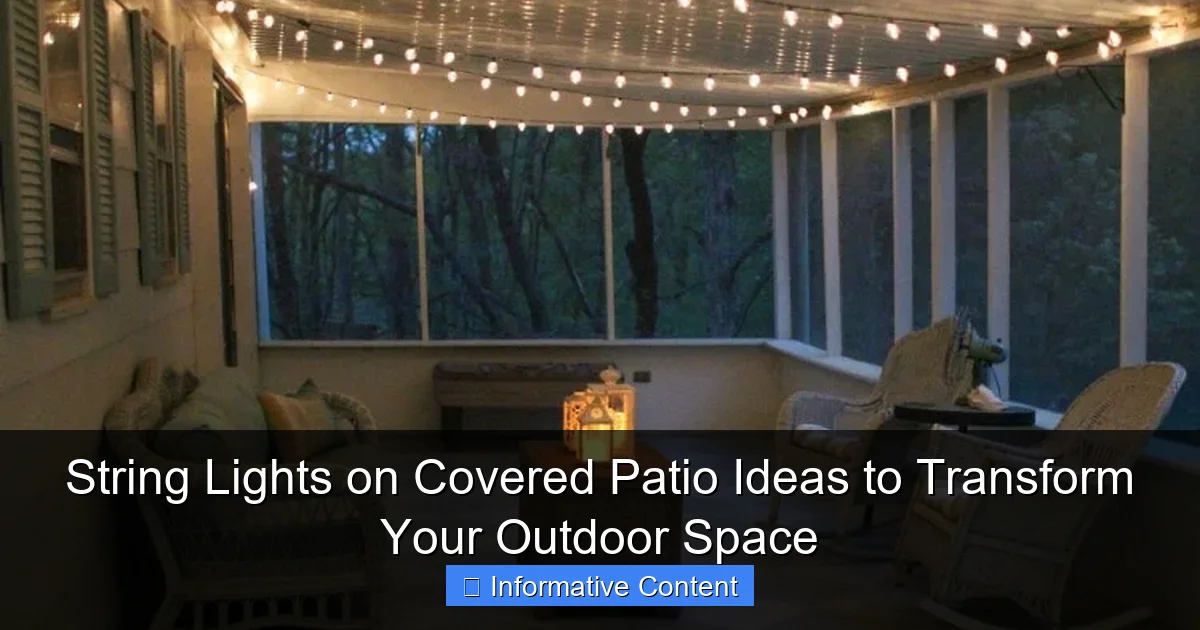
Visual guide about string lights on covered patio ideas
Image source: lovelyetc.com
LED vs. Incandescent: Which Is Better?
Let’s start with the big debate. LED string lights are the clear winner for most covered patios. Here’s why:
- Energy efficiency: LEDs use up to 80% less energy than incandescent bulbs. You can leave them on for hours without worrying about your electric bill.
- Durability: LEDs last 25,000–50,000 hours (that’s 5–10 years of regular use!). Incandescent bulbs typically last 1,000–2,000 hours.
- Heat output: LEDs stay cool, which is a huge plus if your patio has low ceilings or is near furniture. Incandescent bulbs get hot—enough to be a fire hazard if they touch fabric or dry wood.
That said, incandescent bulbs do offer a warmer, more nostalgic glow. If you’re going for a vintage or rustic feel, they can be worth the extra energy cost. But for most people, LEDs are the smarter, safer choice.
Solar vs. Plug-In: Power Source Matters
Do you have an outdoor outlet nearby? If yes, plug-in string lights are reliable and consistent. But if your covered patio is far from a power source, solar-powered lights are a game-changer. I used solar lights on my back porch (which has no outlets) and was surprised by how well they worked. Here’s what to consider:
- Solar pros: No wiring needed, eco-friendly, easy to install. Many models have a detachable solar panel that you can place in a sunny spot, even if the lights are in shade.
- Solar cons: They’re less bright and may dim in winter or on cloudy days. Some require 6–8 hours of direct sunlight to charge fully.
- Plug-in pros: Brighter, more reliable, often come with dimmers or timers.
Pro tip: If you’re unsure, go with a hybrid option—some LED lights come with both solar and USB charging. That way, you’re covered no matter the weather.
Bulb Shape & Style: Matching Your Patio’s Aesthetic
This is where you can really get creative. Here are a few popular styles and where they work best:
- Edison bulbs: Vintage, industrial vibe. Perfect for modern-rustic patios or spaces with exposed brick.
- Globe (round) bulbs: Soft, even light. Great for cozy, romantic settings or family-friendly patios.
- C6 or mini lights: Tiny, delicate bulbs. Ideal for wrapping around beams or creating a “starry sky” effect.
- C9 bulbs: Large, bold bulbs. Best for large patios or when you want a festive, holiday-inspired look.
One thing to watch out for: Some bulbs are too bulky for small spaces. I once tried C9 bulbs on a narrow porch, and they overwhelmed the area. Scale matters—bigger patios can handle bigger bulbs.
2. Creative Ways to Hang String Lights on a Covered Patio
Now that you’ve picked your lights, it’s time to hang them. The way you install them can make or break the look. The good news? You don’t need to be an electrician or a DIY pro. With a few simple tricks, you can create a stunning display.
The Classic “Canopy” or “Grid” Pattern
This is the most popular method—and for good reason. It’s simple, effective, and looks amazing. Here’s how to do it:
- Start at one corner of your patio ceiling and run the first strand to the opposite corner.
- From the same starting point, run a second strand parallel to the first, spacing strands 12–18 inches apart.
- Repeat until the entire ceiling is covered in a grid or crisscross pattern.
For a more dramatic effect, try a zigzag pattern—run the lights diagonally from one side to the other, then back. This works especially well on long, rectangular patios. I did this on my friend’s patio last summer, and the result was like a cozy, glowing tunnel.
Hanging from Beams or Rafters
If your covered patio has exposed beams or rafters, use them to your advantage. Wrap the lights around the beams in a spiral, or drape them in gentle loops between rafters. This method adds depth and dimension. Just be sure to use non-damaging clips (like plastic zip ties or adhesive hooks) to avoid scratching wood.
One caveat: If your beams are high or hard to reach, consider a telescoping pole with a hook attachment. It makes the job much easier—no ladder needed.
Using Tension Rods or Curtain Rods
No beams? No problem. Install outdoor-rated tension rods or curtain rods between two walls or posts. Then, hang your string lights from the rods. This works great for patios with open sides or those that open to a backyard. Bonus: You can swap out lights seasonally (e.g., white lights in summer, colored ones in winter).
Tip: For a boho-chic look, use macramé or rope hangers instead of metal rods. They add texture and warmth.
Layering with Other Decor
String lights don’t have to stand alone. Pair them with other elements to create a layered, textured look:
- Hanging plants: Weave the lights through a trailing pothos or ivy. The greenery softens the light and adds life.
- Sheer curtains: Hang lightweight curtains from the ceiling and drape the lights behind them. The fabric diffuses the light, creating a dreamy, ethereal glow.
- Wooden slat walls: If your patio has a slatted privacy screen, run the lights vertically or horizontally between the slats.
My favorite combo? Edison bulbs + sheer white curtains + a few hanging ferns. It’s simple but feels so luxurious.
3. Design Ideas for Different Patio Styles & Themes
Your string lights should reflect your personal style—and your patio’s overall vibe. Here are some tailored ideas for common patio aesthetics.
Modern Minimalist Patio
For a sleek, clean look, go with white or warm white LED lights in a geometric pattern. Think:
- Parallel lines running straight across the ceiling.
- A single, bold zigzag from one end to the other.
- Minimalist globe bulbs (3–5 inches apart).
Avoid anything too busy. The goal is subtle sophistication, not a light show. I love using black or gray string cords to blend in with modern decor.
Rustic Farmhouse or Cottage Patio
This is where Edison bulbs shine. Pair them with:
- Exposed wooden beams.
- Mason jar lanterns (hang them between the string lights).
- Warm, earthy colors like terracotta or olive green in your furniture.
Try a cluster effect—hang the lights in loose, asymmetrical groups rather than a perfect grid. It feels more organic and “lived-in.”
Tropical or Boho Patio
Go bold and colorful! Use multicolored LED lights or even fiber-optic strands that mimic stars. Add:
- Hanging rattan or woven baskets.
- Tropical plants (like monstera or bird of paradise).
- Bright, patterned cushions and throw pillows.
For extra whimsy, drape the lights in swags or loops—imagine a hammock of light. Just don’t overdo it; too many colors can feel chaotic.
Romantic or Intimate Patio
Soft, warm lighting is key here. Opt for:
- Small, warm white bulbs (2700K–3000K).
- Sheer curtains or lace canopies.
- Hanging lanterns with flickering LED candles.
Create a “starry sky” effect by hanging the lights in a loose, irregular pattern. The slight randomness feels magical, like you’re under the stars.
4. Practical Tips for Installation & Maintenance
Even the best lights won’t last if you don’t install and care for them properly. Here’s what I’ve learned the hard way.
Weatherproofing & Safety
Even covered patios get damp. Always use weather-resistant (IP44 or higher) lights and outdoor-rated extension cords. Check the packaging for “wet location” or “damp location” ratings. If it’s not rated for outdoor use, don’t risk it.
For safety:
- Never overload outlets or extension cords.
- Use outdoor-rated timers to avoid leaving lights on overnight.
- Keep cords away from walkways to prevent tripping.
Installation Tools & Hacks
You don’t need fancy tools, but these make the job easier:
- Adhesive hooks: Great for smooth surfaces (like stucco or vinyl). Use the heavy-duty kind (rated for 5+ lbs).
- Zip ties: Perfect for wrapping around beams or poles. Cut them to size with scissors.
- Command Outdoor Hooks: These are my go-to. They hold up to 5 lbs and remove cleanly.
- Measuring tape: Helps space strands evenly.
Pro tip: Test your lights before hanging them. There’s nothing worse than spending an hour installing a strand only to find a dead section.
Cleaning & Storage
To keep your lights looking fresh:
- Wipe bulbs with a damp cloth every few weeks (use a microfiber cloth to avoid streaks).
- Check for damaged cords or loose bulbs annually.
- Store lights in a cool, dry place when not in use. Wrap them around a cardboard tube to prevent tangling.
If you’re using solar lights, clean the solar panel with a soft cloth to ensure it charges efficiently.
5. Budget-Friendly & Eco-Friendly Options
You don’t need to spend a fortune to create a stunning patio. Here are some smart, sustainable choices.
Affordable Alternatives
- DIY “string” lights: Use battery-powered LED puck lights and hang them with fishing line. It’s cheaper than buying a full strand and gives you total control over placement.
- Bulk packs: Buy 50-foot strands in bulk (Amazon or hardware stores often have deals). You can cut them to size and use the extra for other projects.
- Secondhand finds: Check Facebook Marketplace or thrift stores for gently used lights. Just test them first!
Eco-Friendly Upgrades
- Solar + USB charging: Some brands (like Brightech or Luminoodle) offer dual-power lights. They’re pricier upfront but save energy long-term.
- Recycled materials: Look for lights with cords made from recycled plastic or bamboo bases.
- Smart controls: Use a smart plug or timer to automate your lights. You’ll save energy and never forget to turn them off.
One of my favorite eco-swaps? Replacing old incandescent bulbs with LED retrofits. They fit into the same sockets but use 90% less energy.
6. Real-Life Inspiration: Before & After Examples
Let’s see how these ideas work in real spaces. Below is a table of string lights on covered patio ideas from actual homes, with pros, cons, and key takeaways.
| Patio Type | Light Style | Installation Method | Pros | Cons | Key Takeaway |
|---|---|---|---|---|---|
| Small urban balcony (covered) | Warm white C6 LEDs | Adhesive hooks + zigzag pattern | Cohesive, doesn’t overwhelm space | Adhesive may fail in high humidity | Scale matters—smaller bulbs for smaller spaces |
| Large ranch-style porch | Edison bulbs (solar) | Wrapped around beams | No wiring needed; rustic charm | Solar panel must be placed in sun | Solar works—if you plan ahead |
| Modern glass-enclosed patio | White globe LEDs | Parallel strands on tension rods | Clean, minimalist look; easy to remove | Rods may sag over time | Great for renters or seasonal changes |
| Tropical lanai | Multicolored fiber-optic | Swags between posts | Fun, festive vibe; great for parties | Colors can feel overwhelming at night | Use bold colors sparingly |
| Romantic courtyard patio | Warm white mini lights | Sheer curtains + “starry sky” pattern | Dreamy, intimate atmosphere | Sheer fabric may need frequent cleaning | Layering creates depth and warmth |
Notice a pattern? The best setups match the patio’s size, style, and function. A small balcony doesn’t need 100 bulbs. A large porch can handle bold statements. And always prioritize safety and durability over looks.
Final Thoughts: Make Your Covered Patio Shine
String lights on a covered patio aren’t just about illumination—they’re about creating a feeling. A place where you want to linger. Where laughter echoes and conversations flow. Whether you’re drawn to the warm glow of Edison bulbs, the twinkle of mini LEDs, or the whimsy of multicolored strands, the right lighting can turn your patio into an extension of your home.
Remember, it’s not about perfection. It’s about personality. Don’t be afraid to mix styles, experiment with patterns, or add unexpected touches (like hanging plants or sheer curtains). And if you mess up? That’s okay. String lights are forgiving. You can always adjust, replace, or start over.
So grab your lights, your favorite beverage, and a friend (or your dog). Turn your covered patio into a space that feels like you. Because at the end of the day, the best string lights on covered patio ideas aren’t the fanciest—they’re the ones that make you smile every time you step outside.
Frequently Asked Questions
How do I hang string lights on a covered patio without damaging the structure?
Use adhesive hooks, removable clips, or tension rods designed for outdoor use to avoid drilling or stapling. These options securely hold string lights while preserving your patio’s finish and are ideal for renters or temporary setups.
What type of string lights work best for covered patio ideas?
Opt for LED string lights with a warm white or soft amber glow, as they’re energy-efficient and create a cozy ambiance. Look for weather-resistant or outdoor-rated lights to ensure durability against humidity or light rain.
Can I use string lights on a covered patio year-round?
Yes, if your lights are rated for outdoor use and protected from direct rain or snow. Pair them with a timer or smart plug for effortless operation and added safety during off-seasons.
What are creative ways to arrange string lights on a covered patio?
Try zigzag patterns across the ceiling, wrap them around beams, or drape them along railings for visual interest. For a boho vibe, layer lights with sheer curtains or greenery to enhance the mood.
How many string lights do I need for my covered patio?
Measure the perimeter or area you want to cover, then add 10-20% extra for overlap or decorative loops. For a standard 10×10 ft patio, 2-3 strands of 25-40 ft lights usually suffice.
Are solar-powered string lights good for covered patio ideas?
Solar lights work well if your patio gets indirect sunlight during the day, but they may not shine as brightly as plug-in options. Choose high-lumen solar lights with backup battery packs for consistent performance.