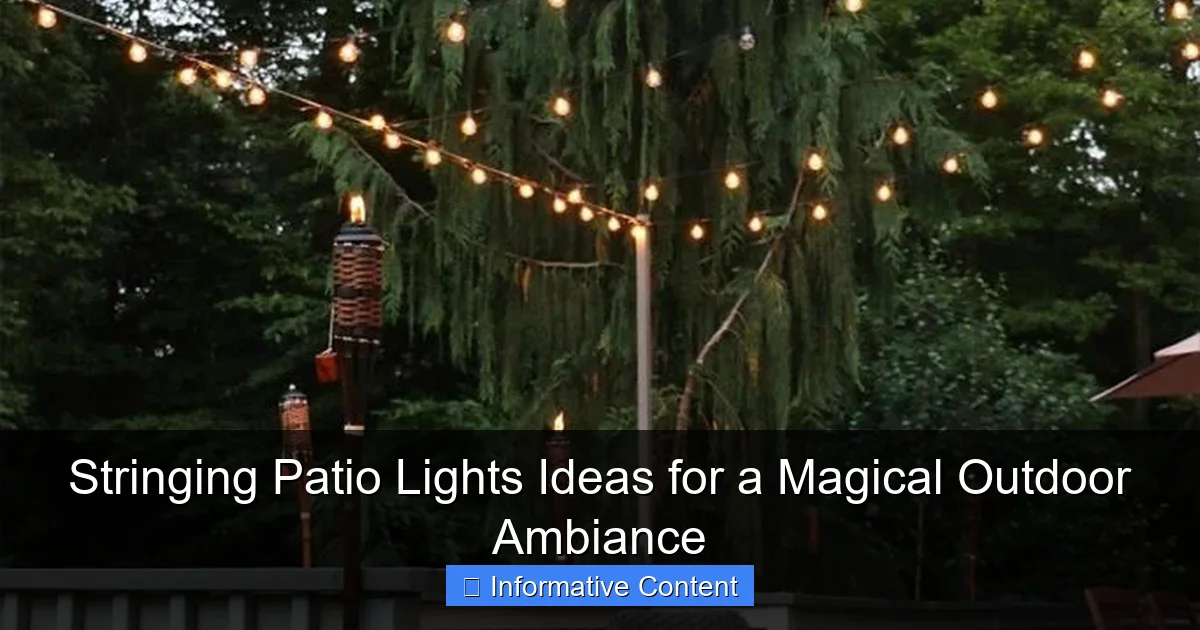
Featured image for stringing patio lights ideas
Image source: mycozylive.com
Transform your outdoor space into a captivating retreat with creative stringing patio lights ideas that blend style and function. From draped fairy lights along pergolas to zigzag patterns across open yards, these simple yet stunning setups instantly elevate evening ambiance for entertaining or relaxation.
Key Takeaways
- Plan your layout: Sketch light placement before hanging for balanced coverage.
- Choose durable lights: Opt for weather-resistant LED string lights for longevity.
- Layer lighting: Combine string lights with lanterns or candles for depth.
- Use existing structures: Hang lights on fences, trees, or pergolas for easy setup.
- Time it right: Install lights at dusk to visualize the perfect ambiance.
- Add dimmers: Adjust brightness to match moods and occasions effortlessly.
📑 Table of Contents
- Setting the Mood: Why Patio Lights Matter
- Choosing the Right Lights for Your Patio
- Creative Stringing Ideas to Elevate Your Space
- Smart and Practical Installation Tips
- Adding Layers: Combining Lights with Other Elements
- Seasonal and Themed Ideas for Year-Round Magic
- Final Thoughts: Let Your Patio Shine
Setting the Mood: Why Patio Lights Matter
There’s something almost magical about stepping onto your patio at night and being greeted by a soft, warm glow. It’s not just about seeing where you’re going—it’s about feeling something. A well-lit patio transforms from a simple outdoor space into a cozy retreat, a romantic corner, or a lively party zone. Whether you’re sipping coffee at sunset or hosting a backyard barbecue, the right lighting can make all the difference. And when it comes to creating that perfect ambiance, few things are as effective—or as enchanting—as stringing patio lights.
I remember the first time I strung up lights on my patio. I had just moved into my first home with a backyard, and I wanted to make it feel like mine. I bought a basic set of white globe lights, climbed up on a chair, and spent an hour weaving them between the pergola beams. When I flipped the switch that evening, the whole space lit up like a secret garden. My neighbors even stopped to admire it. That moment taught me something important: lighting isn’t just functional—it’s emotional. It sets the tone, invites conversation, and makes ordinary nights feel special. And the best part? You don’t need to be an electrician or a designer to get it right.
Choosing the Right Lights for Your Patio
Before you start hanging, it’s important to pick the right type of string lights for your space and style. Not all lights are created equal, and the wrong choice can leave your patio looking dim, cluttered, or even hazardous. Let’s break down your options.
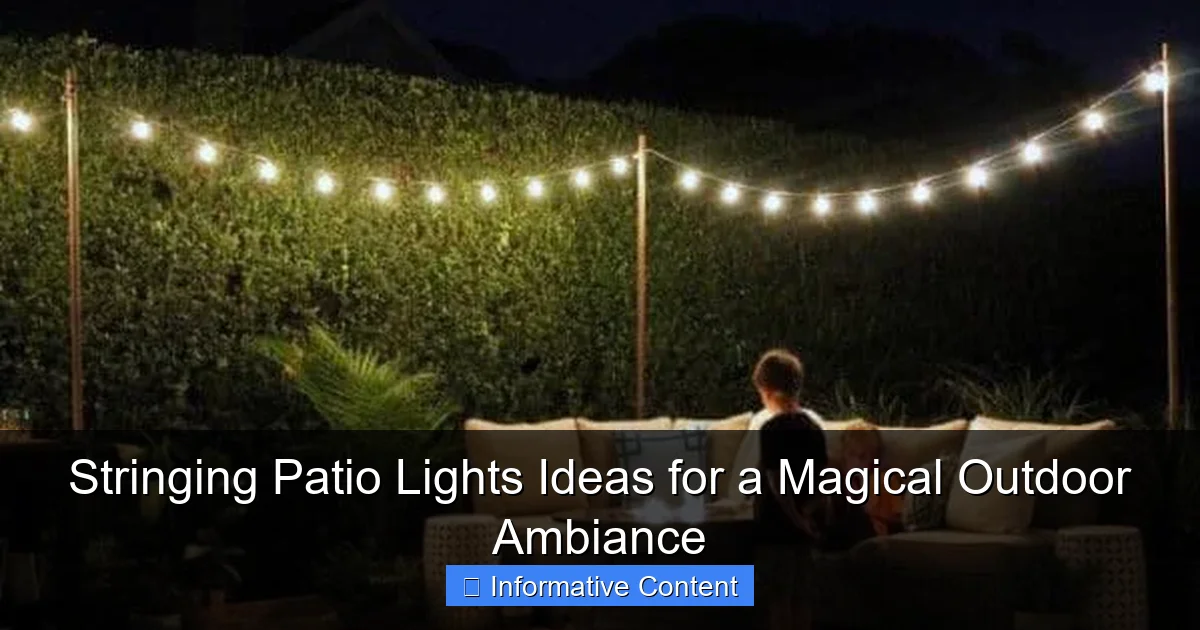
Visual guide about stringing patio lights ideas
Image source: nextluxury.com
Types of String Lights
Incandescent Bulbs: These are the classic, warm-glow lights you might remember from childhood holidays. They emit a soft, yellowish light that feels nostalgic and inviting. However, they use more energy, get hot, and don’t last as long as modern options. Great for occasional use, but not ideal for year-round lighting.
LED Bulbs: The go-to choice for most homeowners today. LEDs are energy-efficient, last up to 25,000 hours (some even longer), and come in a range of color temperatures—from warm white (2700K) to cool white (5000K). They’re cool to the touch, making them safer for families and pets. Plus, many LED sets are dimmable and even come with remote controls or smart features.
Edison-Style Bulbs: These vintage-style bulbs have exposed filaments and give off a warm, industrial-chic vibe. They’re perfect for modern farmhouse or boho patios but tend to be more expensive and fragile.
Solar-Powered Lights: A great eco-friendly option. They charge during the day and turn on automatically at dusk. Ideal for areas without easy access to outlets. Just make sure they get at least 6 hours of direct sunlight to stay bright all night.
Color and Temperature
The color of your lights affects the mood. Warm white (2700K–3000K) is cozy and intimate—perfect for dining areas or quiet corners. Cool white (4000K–5000K) feels more modern and bright, great for task lighting or large open patios. Some sets even offer color-changing or RGB options, letting you switch between white and festive hues for holidays or parties.
Pro tip: Stick to one color temperature for a cohesive look. Mixing warm and cool can make the space feel disjointed.
Length and Spacing
Measure your patio before buying. A good rule of thumb is to have lights spaced 6–12 inches apart for even coverage. If your patio is 12 feet wide, you’ll need at least 36–72 feet of string lights (depending on how densely you want to hang them). Always buy a little extra—about 10–15% more than you think you need—to account for corners, hooks, and unexpected tangles.
Creative Stringing Ideas to Elevate Your Space
Now that you’ve chosen your lights, it’s time to get creative. The way you hang them can completely transform your patio. Here are some of my favorite stringing ideas, tried and tested over the years.
Classic Overhead Grid (The Pergola Effect)
This is the most popular setup for a reason: it works. Run strings of lights across your patio in a grid pattern, connecting beams, trees, or posts. Use zip ties, hooks, or S-hooks to secure them at even intervals. For a polished look, keep the strings parallel and taut.
Example: I have a 12×12 foot pergola, and I used 4 rows of lights, each 12 feet long, spaced 3 feet apart. The result? A canopy of light that feels like dining under the stars. I added a small fan in the center to keep the air moving and prevent heat buildup from the bulbs.
Curtain or Drape Lighting
Want drama? Hang lights vertically to create a “curtain” effect. Use a horizontal support (like a beam or wire) and let the strings drape down like a waterfall. This works especially well on patios with tall railings, fences, or between trees.
Tip: Use clear or frosted bulbs for a soft, shimmering look. For extra magic, add sheer curtains behind the lights—they diffuse the glow beautifully.
Zigzag or Crisscross Pattern
For a more dynamic look, zigzag the lights diagonally across your patio. This draws the eye upward and adds visual interest. It’s perfect for rectangular patios or spaces with high ceilings.
How to: Start at one corner, run the string to the opposite corner, then back, creating a series of X’s. Use turnbuckles or tension wires to keep the lines tight and avoid sagging.
Wrap Around Trees or Pillars
If you have trees, columns, or posts on your patio, wrap the lights around them in a spiral. This adds dimension and makes natural features stand out. Use LED string lights with a flexible cord so they bend easily.
Caution: Don’t wrap too tightly—trees grow, and you don’t want to damage bark. Leave at least a 1-inch gap between the trunk and the lights.
Floating Canopy with Wire or Fishing Line
No beams? No problem. Create a floating canopy by running a strong, nearly invisible fishing line or thin steel wire across your patio. Then, attach the lights to the line using small clips or loops. This gives the illusion that the lights are suspended in mid-air.
Bonus: This method works great for renters or temporary setups—no drilling required.
Smart and Practical Installation Tips
Even the most beautiful lights can look messy if installed poorly. Here’s how to hang them like a pro, without the headaches.
Use the Right Hardware
Never just nail or screw directly into your lights. Instead, use:
- Eye hooks or screw-in hooks for permanent installations
- Adhesive clips or gutter hooks for no-damage options (great for renters)
- Zip ties or plastic cord clips for temporary or flexible setups
Pro tip: For wooden beams, pre-drill small holes before inserting hooks to prevent splitting.
Plan Your Power Source
Always start your stringing from the power outlet. Run the lights away from the source, not toward it. This reduces the risk of tripping over extension cords and makes troubleshooting easier.
Use outdoor-rated extension cords and power strips. Look for ones with a built-in GFCI (ground fault circuit interrupter) for safety. If your patio is far from an outlet, consider a solar-powered set or a battery-operated timer.
Test Before You Hang
Plug in your lights before you start stringing. There’s nothing worse than hanging 50 feet of lights only to find one bulb is out. If you’re using multiple strands, connect them first and test each one.
For LED sets, check if they’re dimmable. Some only work with specific dimmers, so test with your switch or remote.
Mind the Weather
Outdoor lights need to withstand rain, wind, and sun. Make sure your lights are rated for wet or damp locations (look for IP65 or higher). Avoid leaving lights up during extreme weather—high winds can snap strings, and heavy snow can damage bulbs.
If you live in a cold climate, unplug and store your lights during winter. Even weather-resistant models can degrade over time.
Keep It Neat
Use cord organizers or raceways to hide excess wire. Wrap loose ends around a hook or tuck them behind a planter. A tidy setup looks more intentional and professional.
Adding Layers: Combining Lights with Other Elements
String lights are just the beginning. To create a truly magical ambiance, layer your lighting with other elements. Think of it like decorating a room—multiple light sources add depth and dimension.
Layer 1: Ambient + Task Lighting
String lights provide ambient (general) lighting. But if you’re dining, reading, or grilling, you’ll need task lighting too. Add:
- Outdoor floor lamps or lanterns near seating areas
- Under-table LED strips for a floating effect
- Path lights or step lights to guide movement
Example: My patio has a small bistro table. I added a solar-powered lantern in the center, which gives just enough light for eating without overpowering the string lights above.
Layer 2: Accent Lighting
Highlight your favorite features with accent lights:
- Use spotlights or floodlights to illuminate trees, sculptures, or water features
- Place LED puck lights under benches or railings for subtle glow
- Install uplights behind planters to create a “floating” effect
Pro tip: Use warm white (2700K) for a natural, inviting glow. Cool white can feel too harsh in outdoor settings.
Layer 3: Natural and Reflective Elements
Amplify your lighting with materials that reflect or diffuse light:
- Use light-colored furniture, cushions, or rugs to bounce light around
- Add mirrors or metallic decor (like a copper fire pit or silver planters)
- Plant white or pale flowers (like moonflower or white hydrangeas) to glow at night
One summer, I added a small mirrored tray to my coffee table. The string lights reflected off it, creating tiny sparkles—it felt like dining under a disco ball, in the best way.
Seasonal and Themed Ideas for Year-Round Magic
Your patio lights don’t have to be a one-and-done setup. Change them up with the seasons or special occasions to keep things fresh and fun.
Summer Vibes
Go for a laid-back, tropical feel:
- Use warm white or amber lights with bamboo or rattan furniture
- Add fairy lights in mason jars as centerpieces
- Hang paper lanterns in pastel colors for a festival vibe
Example: For a Fourth of July party, I used red, white, and blue LED string lights in a zigzag pattern. I added a few star-shaped lanterns, and the whole space felt like a backyard carnival.
Fall and Winter Warmth
Embrace coziness:
- Swap to amber or warm white lights for a golden glow
- Add fairy lights inside pumpkins or gourds (real or fake)
- Use icicle lights along railings or eaves for a frosty effect
Pro tip: In winter, keep a small heater or fire pit nearby. The lights look even more inviting when paired with warmth.
Holidays and Special Events
Go all out for birthdays, anniversaries, or holidays:
- Use color-changing RGB lights to match the theme (e.g., pink for a baby shower, red/green for Christmas)
- Hang personalized signs or marquee letters (like “LOVE” or “CHEERS”) with built-in lights
- Add projected lights (like stars or snowflakes) for extra magic
One year, I surprised my partner with a “date night” under the lights. I used heart-shaped fairy lights, a small projector with stars, and a Bluetooth speaker for soft music. It was simple, but it felt unforgettable.
Data Table: Comparing String Light Options
| Light Type | Energy Use | Lifespan | Best For | Pros | Cons |
|---|---|---|---|---|---|
| Incandescent | High | 1,000–2,000 hrs | Occasional use, vintage look | Warm, nostalgic glow | Hot, short lifespan, not energy-efficient |
| LED (Warm White) | Low | 25,000+ hrs | Everyday use, cozy ambiance | Energy-efficient, cool to touch, long-lasting | Higher upfront cost |
| LED (RGB/Color) | Low | 25,000+ hrs | Parties, holidays, themes | Customizable colors, fun effects | Can feel gimmicky if overused |
| Solar-Powered | None | 20,000+ hrs | Off-grid, eco-friendly | No electricity needed, easy install | Less bright, needs sunlight |
| Edison-Style | Medium (LED) / High (incandescent) | 15,000–25,000 hrs (LED) | Modern, industrial, boho styles | Stylish, unique look | Fragile, expensive, limited dimming |
Final Thoughts: Let Your Patio Shine
Stringing patio lights isn’t just about adding brightness—it’s about creating a feeling. It’s about making your outdoor space a place where memories are made, laughter echoes, and quiet moments feel profound. Whether you go for a simple grid of warm white LEDs or a dramatic curtain of vintage Edison bulbs, the goal is the same: to turn your patio into a sanctuary.
Remember, the best setup is one that feels right to you. Don’t be afraid to experiment. Try a new pattern, swap out colors, or add a few lanterns. Lighting is forgiving—you can always change it. And if something doesn’t work? No big deal. Just try again.
So grab your lights, a ladder, and maybe a glass of wine. Step outside, take a deep breath, and start stringing. When you flip that switch and see your patio bathed in soft, golden light, you’ll know it was worth it. Because sometimes, the smallest details—like a strand of lights—can make the biggest difference. Your magical outdoor ambiance is just a few hooks and a little creativity away.
Frequently Asked Questions
What are the best stringing patio lights ideas for small spaces?
For compact patios, try zigzag patterns across railings or overhead beams using globe or fairy lights. These stringing patio lights ideas maximize vertical space while creating a cozy, intimate glow without overwhelming the area.
How do I choose between plug-in and solar-powered patio lights?
Plug-in lights offer consistent brightness and are ideal for permanent setups, while solar-powered options are eco-friendly and easier to install for renters. Consider your patio’s access to outlets and sunlight exposure when selecting.
Can I mix different types of string lights for a unique look?
Absolutely! Combine Edison bulbs with fairy lights or add colored LEDs for contrast—layering textures and hues creates visual interest. Just ensure they’re all rated for outdoor use and share a power source or timer.
What’s the easiest way to hang patio lights without damaging walls?
Use removable adhesive hooks, tension rods, or clip-on fixtures for renter-friendly installations. For wooden structures, try zip ties or gutter hooks to secure lights without nails or screws.
How can I make my patio lights look professional and polished?
Plan your layout with even spacing, use dimmers or smart bulbs for adjustable ambiance, and conceal cords with clips or conduit. Symmetrical patterns, like crisscrossing or parallel lines, instantly elevate the design.
Are there weatherproof stringing patio lights ideas for year-round use?
Yes! Opt for commercial-grade, IP65-rated lights and seal connections with waterproof tape. Install them under eaves or pergolas for extra protection, and choose LED bulbs to withstand temperature fluctuations.