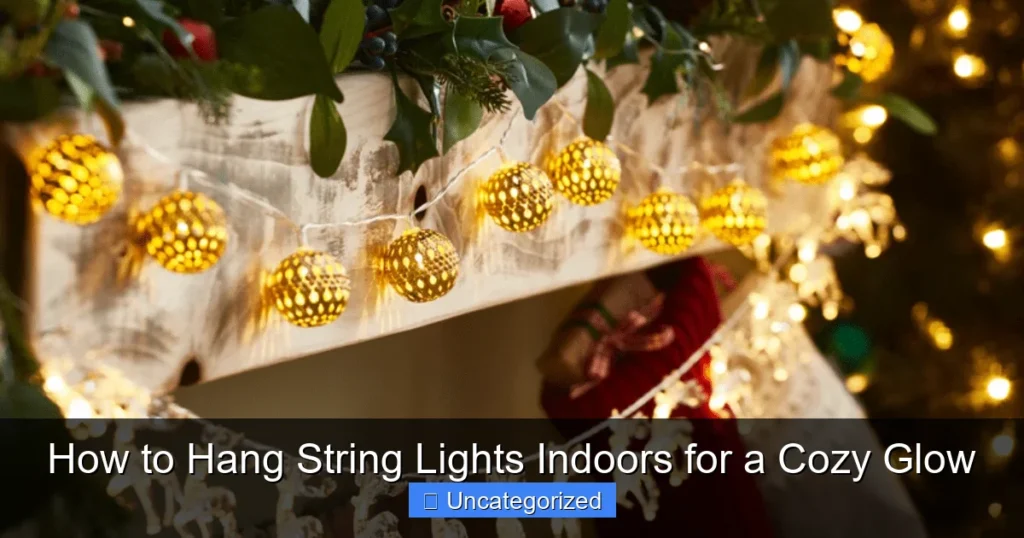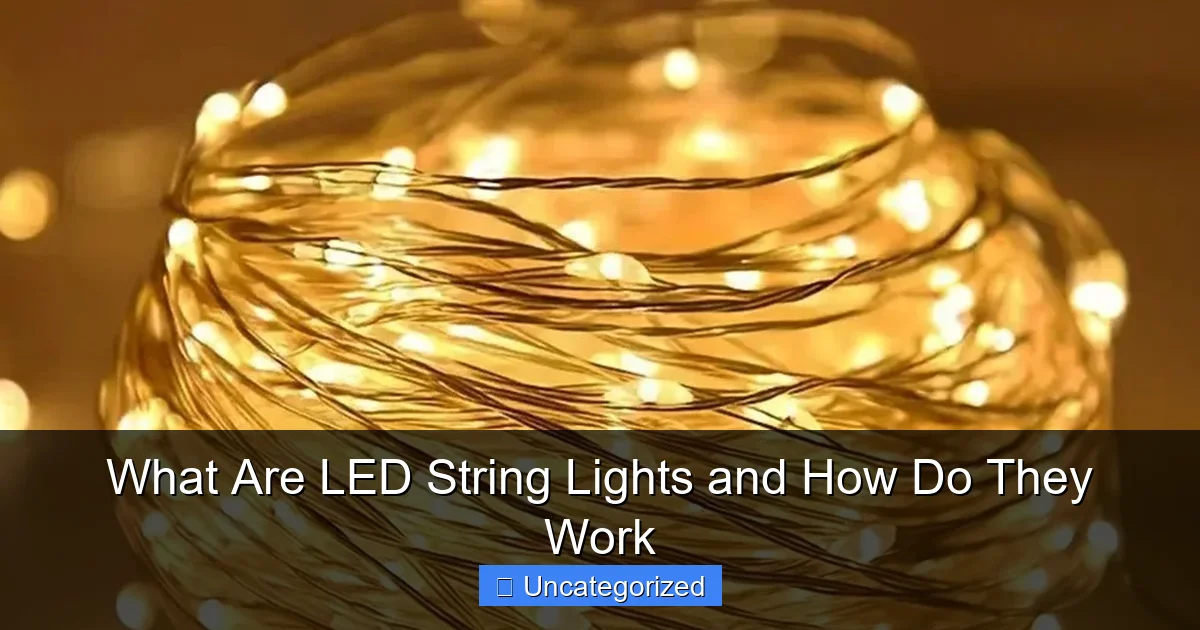
Featured image for what are led string lights
Image source: img.gkbcdn.com
LED string lights are energy-efficient, long-lasting lighting solutions made by connecting tiny LED bulbs along a flexible wire or cable, perfect for indoor and outdoor decoration. They work by passing a low-voltage electric current through semiconductor diodes, which emit light when activated, offering vibrant colors, minimal heat, and up to 80% less energy use than traditional incandescent lights.
Key Takeaways
- LED string lights use energy-efficient diodes for long-lasting illumination.
- Low heat output makes them safer than traditional incandescent bulbs.
- Flexible designs allow creative indoor and outdoor decor applications.
- Dimmable options offer adjustable brightness for mood customization.
- Battery or plug-in power sources suit diverse lighting needs.
- Weather-resistant models enhance durability for year-round outdoor use.
📑 Table of Contents
- What Are LED String Lights and How Do They Work
- Understanding the Science Behind LED String Lights
- Types of LED String Lights: Finding the Right Fit
- Applications and Creative Uses of LED String Lights
- Benefits of LED String Lights vs. Traditional Lighting
- Choosing and Installing LED String Lights: A Practical Guide
- Conclusion
What Are LED String Lights and How Do They Work
Imagine transforming your living room, patio, or garden into a magical realm with a simple flick of a switch. The soft, twinkling glow of LED string lights has become a staple in modern home décor, event planning, and outdoor ambiance. From holiday decorations to year-round mood lighting, these versatile fixtures offer an elegant, energy-efficient way to add warmth and charm to any space. Whether you’re wrapping them around a tree, draping them along a wall, or weaving them through a pergola, LED string lights create an inviting atmosphere that captivates the senses.
But what exactly are LED string lights, and how do they achieve their mesmerizing glow? Unlike traditional incandescent bulbs, LED (Light Emitting Diode) string lights use semiconductor technology to produce light with remarkable efficiency and durability. They’ve revolutionized decorative lighting by offering longer lifespans, lower energy consumption, and a broader range of colors and effects. In this comprehensive guide, we’ll explore the science behind LED string lights, their components, types, applications, and practical tips for choosing and using them. Whether you’re a homeowner, event planner, or DIY enthusiast, understanding how LED string lights work will help you make informed decisions and unlock their full potential.
Understanding the Science Behind LED String Lights
How LEDs Produce Light
At the heart of every LED string light is a Light Emitting Diode—a tiny semiconductor chip that converts electrical energy into light. When an electric current passes through the diode, electrons recombine with electron holes, releasing energy in the form of photons (light particles). This process, known as electroluminescence, is highly efficient because most of the energy is emitted as visible light rather than heat, unlike incandescent bulbs.
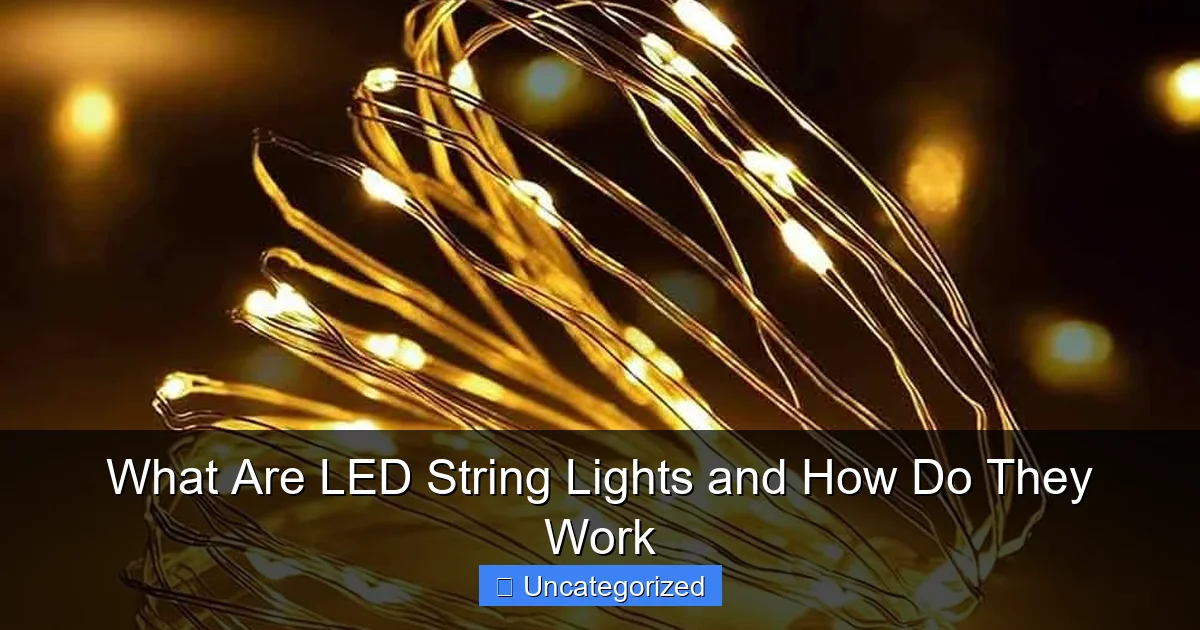
Visual guide about what are led string lights
Image source: ruperhat.com
For example, a typical 60-watt incandescent bulb converts only about 10% of its energy into light, with the rest lost as heat. In contrast, an LED string light uses 75-80% less energy while producing the same brightness. This efficiency is why LED lights are often described as “cool to the touch”—they generate minimal heat, reducing fire risks and making them safer for indoor and outdoor use.
Key Components of LED String Lights
An LED string light consists of several essential parts working together to deliver reliable illumination:
- LEDs (Light Emitting Diodes): The primary light source, available in various colors, sizes, and shapes (e.g., micro LEDs, fairy lights, or larger bulbs).
- Wiring: Flexible, insulated copper wires that connect the LEDs in series or parallel circuits. High-quality wiring prevents overheating and ensures consistent voltage.
- Power Source: Most LED string lights operate on low-voltage DC (direct current), typically 5V, 12V, or 24V, powered by batteries, USB, or plug-in adapters.
- Controllers: Integrated circuits that manage brightness, color changes, and lighting effects (e.g., steady, flashing, or fading).
- Housing/Casing: Protective covers (plastic, silicone, or glass) that shield LEDs from moisture and physical damage, especially in outdoor models.
For instance, a 50-foot LED string light with 100 micro LEDs might use a 12V adapter, a waterproof silicone casing, and a remote-controlled driver to cycle through 8 color modes. This modular design allows for customization and scalability, making LED string lights adaptable to diverse settings.
Types of LED String Lights: Finding the Right Fit
By Bulb Shape and Size
LED string lights come in various bulb designs, each suited to specific décor styles:
- Micro LED (Fairy Lights): Tiny, delicate bulbs (2-5mm) that create a starry, ethereal glow. Ideal for wrapping around branches, mirrors, or headboards.
- Mini LED Bulbs: Slightly larger (8-12mm), offering brighter illumination. Commonly used in Christmas trees, garlands, or outdoor patios.
- Globe LED Bulbs: Spherical, often 25-50mm in diameter, providing a vintage or café-style look. Perfect for bistro lighting or event backdrops.
- Novelty Shapes: Unique designs like stars, hearts, or snowflakes, adding thematic flair to holidays or celebrations.
Tip: For a cozy bedroom ambiance, opt for warm white micro LEDs spaced 2 inches apart. For a festive party, choose color-changing globe bulbs with a 10-inch spacing for bold impact.
By Power Source
The power source determines where and how you can use LED string lights:
- Battery-Powered: Portable and versatile, ideal for temporary setups (e.g., weddings, camping). Look for models with rechargeable batteries (e.g., lithium-ion) for cost savings.
- USB-Powered: Connects to power banks, laptops, or wall adapters. Great for indoor décor or spaces with limited outlets.
- Plug-In (AC/DC): Requires a nearby outlet but offers unlimited runtime. Choose weatherproof (IP65+) models for outdoor use.
- Solar-Powered: Eco-friendly and energy-free, charging during the day and illuminating at night. Best for gardens, pathways, or remote areas.
For example, a solar-powered string light with a 6-hour runtime is perfect for a backyard BBQ, while a plug-in model with a 24-foot extension cord suits a large living room.
By Color and Effects
LEDs can produce a spectrum of colors and dynamic effects:
- Warm White (2700K-3000K): Cozy, candle-like glow—ideal for bedrooms or dining areas.
- Cool White (4000K-5000K): Bright, crisp light—suitable for kitchens or workspaces.
- RGB (Red-Green-Blue): Color-changing capability, often with remote control or app integration.
- Multicolor: Pre-set color combinations (e.g., red/green for Christmas, pastels for spring).
- Smart LEDs: Wi-Fi-enabled, allowing voice control (Alexa, Google Home) or scheduling via smartphone apps.
Practical Example: Use RGB string lights with a “twinkle” effect to mimic fireflies in a children’s playroom, or sync smart LEDs to music for a party ambiance.
Applications and Creative Uses of LED String Lights
Indoor Décor Ideas
LED string lights elevate interior spaces with minimal effort:
- Bedroom: Drape along the headboard or frame a mirror for a romantic vibe. Use dimmable LEDs to create a sleep-friendly environment.
- Living Room: Highlight artwork, shelves, or architectural features. Try a “floating shelf” effect by mounting LEDs behind a wooden plank.
- Kitchen: Install under cabinets or above a breakfast bar for functional task lighting with style.
- Home Office: String lights behind a desk or around a window to reduce eye strain and boost productivity.
Pro Tip: Use adhesive hooks or clear tape to secure lights without damaging walls. For a seamless look, conceal wires behind furniture or moldings.
Outdoor and Event Lighting
LED string lights transform outdoor spaces into enchanting retreats:
- Patios & Decks: Wrap around railings, hang from pergolas, or create a “ceiling” effect with crisscrossed lines.
- Gardens & Pathways: Line walkways with solar-powered lights for safety and ambiance. Use ground stakes for easy installation.
- Weddings & Parties: Suspend globe bulbs over tables, drape along aisles, or create a photo booth backdrop. Opt for waterproof models to handle weather.
Holidays: Christmas trees, Hanukkah menorahs, or Halloween décor benefit from energy-efficient, cool-running LEDs.
Example: A wedding reception with 200 warm white globe lights suspended from a canopy creates a fairy-tale atmosphere while using 90% less energy than incandescent alternatives.
Commercial and Industrial Uses
Beyond décor, LED string lights serve practical purposes:
- Retail Displays: Highlight products in stores or create eye-catching window displays.
- Restaurants & Cafés: Enhance al fresco dining with bistro-style lighting. Use dimmable LEDs to adjust ambiance.
- Construction Sites: Temporary safety lighting in hazardous areas (e.g., low-light work zones).
- Art Installations: Sculptors and artists use programmable LEDs to create interactive light exhibits.
Data Insight: A 2023 study found that restaurants using LED string lights saw a 15% increase in evening customer retention due to enhanced ambiance.
Benefits of LED String Lights vs. Traditional Lighting
Energy Efficiency and Cost Savings
LEDs outperform traditional incandescent and CFL bulbs in energy consumption. Here’s a comparison:
| Lighting Type | Avg. Power (Watts) | Avg. Lifespan (Hours) | Annual Energy Cost* | CO2 Emissions (kg/year) |
|---|---|---|---|---|
| Incandescent String Light (50 bulbs) | 40 | 1,000 | $14.60 | 110 |
| CFL String Light (50 bulbs) | 15 | 8,000 | $5.48 | 41 |
| LED String Light (50 bulbs) | 5 | 25,000 | $1.82 | 14 |
*Assumes 6 hours/day usage, $0.12/kWh electricity rate. Source: U.S. Department of Energy.
Over 10 years, switching to LEDs saves ~$128 per string and reduces CO2 emissions by 96 kg—equivalent to planting 5 trees.
Durability and Safety
LED string lights are built to last:
- Lifespan: 25,000–50,000 hours (vs. 1,000–2,000 for incandescents).
- Heat Output: 80–90% cooler than traditional bulbs, reducing fire risks.
- Durability: Shock-resistant and vibration-proof, ideal for outdoor use.
- Low Voltage: Operate at 5V–24V, minimizing electric shock hazards.
Safety Tip: Always check for UL/ETL certification and avoid overloading circuits. Replace frayed wires immediately.
Environmental Impact
LEDs are eco-friendly:
- No Toxic Materials: Unlike CFLs, they contain no mercury.
- Recyclable Components: Many manufacturers offer take-back programs.
- Reduced Carbon Footprint: Lower energy use = fewer power plant emissions.
For example, a household replacing 10 incandescent string lights with LEDs annually prevents 1.1 tons of CO2 emissions.
Choosing and Installing LED String Lights: A Practical Guide
Key Factors to Consider
Selecting the right LED string lights involves evaluating:
- Length & Spacing: Measure your space and choose spacing (e.g., 2″ for subtle glow, 6″ for bold illumination).
- Waterproof Rating (IP Code): IP65 or higher for outdoor use (e.g., IP65 = dust-tight, protected against water jets).
- Brightness (Lumens): 10–50 lumens per bulb for ambient lighting; 100+ for task lighting.
- Connectivity: Look for end-to-end connectors to link multiple strings (e.g., 3–5 strings max to avoid voltage drop).
- Warranty: Reputable brands offer 2–5 year warranties.
Example: For a 15-foot patio, a 20-foot string with 50 warm white LEDs (IP65, 30 lumens/bulb) and end-to-end connectors is ideal.
Installation Tips and Tricks
Follow these steps for a flawless setup:
- Plan the Layout: Sketch your design and mark anchor points (e.g., hooks, nails, adhesive clips).
- Test Before Installing: Plug in the lights to check functionality and brightness.
- Secure Properly: Use outdoor-rated clips, zip ties, or tension cables to avoid sagging.
- Conceal Wires: Run cords behind furniture, along edges, or through conduit for a clean look.
- Use Timers/Smart Plugs: Automate on/off cycles to save energy (e.g., 6 PM–10 PM).
Pro Tip: For a “dripping” effect on walls, install lights vertically with clips every 6 inches. For trees, start at the top and spiral downward.
Maintenance and Troubleshooting
Extend your lights’ lifespan with proper care:
- Clean Regularly: Wipe bulbs with a dry cloth to remove dust and debris.
- Store Correctly: Wrap lights around a reel or cardboard tube to prevent tangling.
- Check Connections: Inspect plugs and wires for damage before each season.
- Replace Faulty Bulbs: If one LED fails, check if the entire string is out (series circuit) or just the bulb (parallel).
Note: Most LED string lights have non-replaceable bulbs, so if one fails, the entire string may need replacement. However, some premium models offer replaceable LEDs.
Conclusion
LED string lights are more than just decorative accents—they’re a fusion of art, science, and sustainability. By leveraging semiconductor technology, these lights deliver unmatched energy efficiency, safety, and versatility, making them a smarter choice than traditional lighting. From creating cozy indoor nooks to illuminating sprawling outdoor events, their applications are limited only by imagination. Whether you’re drawn to their eco-friendly benefits, cost savings, or sheer aesthetic appeal, LED string lights empower you to transform any space with a simple, flickering glow.
As technology advances, we’ll see even more innovations—think solar-powered smart strings with AI-driven color adjustments or biodegradable materials. But one thing remains constant: the timeless magic of light. So next time you string up LEDs for a holiday or a quiet evening, remember you’re not just decorating—you’re participating in a lighting revolution. Now that you understand what LED string lights are and how they work, it’s time to unleash your creativity and let the light shine.
Frequently Asked Questions
What are LED string lights?
LED string lights are decorative lighting strands featuring small, energy-efficient LED bulbs mounted on a flexible wire or cable. They’re commonly used indoors and outdoors for ambiance, holidays, or accent lighting due to their durability, low heat output, and long lifespan.
How do LED string lights work?
LED string lights convert electricity into light through light-emitting diodes (LEDs), which are semiconductor chips that emit photons when charged. Unlike incandescent bulbs, they don’t rely on filaments, making them more energy-efficient and longer-lasting.
Are LED string lights safe for outdoor use?
Yes, many LED string lights are rated for outdoor use with weather-resistant materials and waterproof coatings. Always check the product’s IP (Ingress Protection) rating to ensure it’s suitable for rain, snow, or humidity.
What makes LED string lights more energy-efficient than traditional lights?
LEDs use up to 80% less energy than incandescent bulbs and last up to 50,000 hours. Their low power consumption reduces electricity costs while generating minimal heat, making them safer for prolonged use.
Can I connect multiple LED string lights together?
Most LED string lights are designed for end-to-end connection, but check the manufacturer’s guidelines to avoid overloading circuits. Some sets have built-in connectors or maximum strand limits to ensure safe operation.
What are the best uses for LED string lights?
They’re versatile for weddings, patios, bedrooms, holidays, and commercial displays. Their flexibility and variety (e.g., color-changing, battery-powered, or solar) make them ideal for creative lighting designs.