Featured image for what does led string lights mean
Image source: lincond.cn
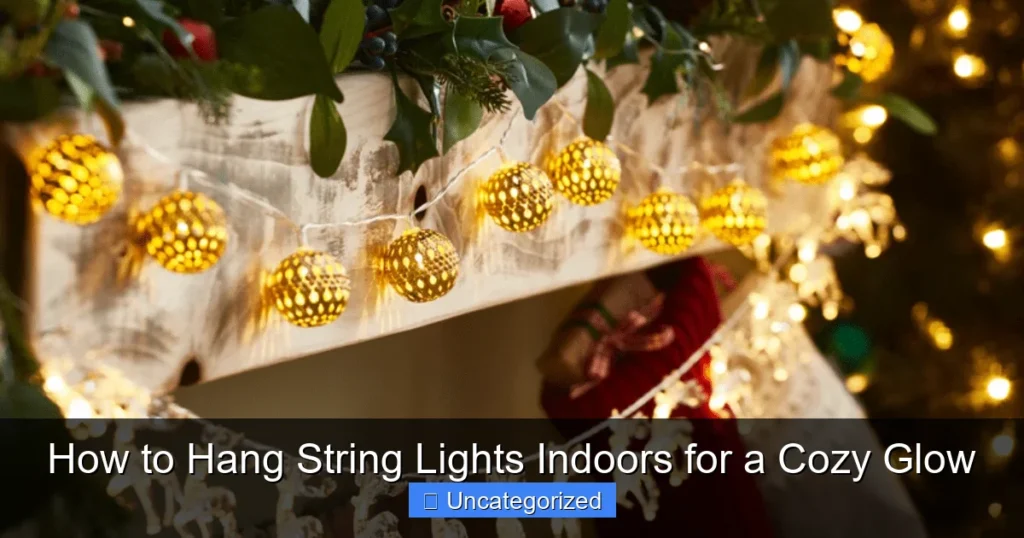
LED string lights are energy-efficient, long-lasting lighting solutions made with Light Emitting Diodes (LEDs) arranged on a flexible wire or string, perfect for decorative and functional illumination. They consume up to 80% less energy than traditional incandescent bulbs and offer versatile designs, vibrant colors, and weather-resistant options for indoor or outdoor use. Ideal for creating ambiance, highlighting spaces, or celebrating occasions, LED string lights combine style, durability, and eco-friendly performance.
Key Takeaways
- LED string lights are energy-efficient, long-lasting lighting solutions for any space.
- They use light-emitting diodes, reducing power consumption by up to 80%.
- Ideal for indoor/outdoor decor, offering versatility and weather-resistant options.
- Available in various colors and styles to match any theme or mood.
- Low heat emission makes them safer than traditional incandescent lights.
- Easy to install with flexible, lightweight designs for quick setup.
📑 Table of Contents
What Does LED String Lights Mean and Why You Need Them
Imagine walking into a space where the atmosphere instantly feels warm, inviting, and magical—all thanks to a delicate web of tiny, glowing lights. That’s the transformative power of LED string lights. Whether you’re decorating for a holiday, setting the mood for a romantic dinner, or simply adding charm to your backyard, these versatile lights have become a staple in modern lighting design. But what does “LED string lights” really mean, and why are they so popular?
LED string lights are flexible strands of small light-emitting diode (LED) bulbs connected by thin wires, often spaced evenly to create a continuous, twinkling effect. Unlike traditional incandescent string lights, LEDs are energy-efficient, long-lasting, and available in a wide range of colors, shapes, and functions. From warm white to multicolor, battery-powered to solar, and indoor to outdoor models, LED string lights offer endless possibilities for personalization and ambiance. They’re not just decorative—they’re functional, eco-friendly, and increasingly essential in both residential and commercial spaces.
Understanding the Basics: What Are LED String Lights?
Definition and Components
At its core, an LED string light is a series of light-emitting diodes mounted on a flexible wire or ribbon. Each diode is a semiconductor that emits light when an electric current passes through it. Unlike traditional bulbs that use filaments, LEDs produce light through electroluminescence, making them more efficient and durable. A typical string light consists of:
Visual guide about what does led string lights mean
Image source: midlandauthors.com
- LED bulbs: Tiny, energy-efficient diodes in various colors and brightness levels
- Wires: Thin, insulated copper or tinned copper strands connecting the bulbs
- Power source: Plug-in, battery-powered, USB, or solar options
- Controller (optional): Remote or built-in device for adjusting brightness, color, or lighting modes (e.g., twinkle, fade, pulse)
- Insulation and casing: Protective outer layer to prevent short circuits and weather damage (especially for outdoor models)
These components work together to create a safe, efficient, and visually appealing lighting solution. The “string” format allows for easy draping, wrapping, and installation in tight or curved spaces—perfect for decorating trees, railings, headboards, or event backdrops.
How LEDs Differ from Incandescent and CFL Lights
To truly appreciate LED string lights, it’s important to understand how they compare to older lighting technologies:
- Energy Efficiency: LEDs use up to 80–90% less energy than incandescent bulbs. For example, a 100-bulb incandescent string may consume 40 watts, while an equivalent LED version uses only 4–6 watts.
- Lifespan: LEDs last 25,000–50,000 hours (3–5 years with daily use), compared to 1,000–2,000 hours for incandescent bulbs.
- Heat Output: LEDs stay cool to the touch, reducing fire risk and making them safe around children, pets, and fabrics.
- Durability: With no fragile filaments or glass bulbs, LEDs are shock-resistant and ideal for outdoor or high-traffic areas.
- Color Range: LEDs can produce pure, saturated colors without filters, and smart models offer millions of color combinations.
These advantages make LED string lights not only a smarter choice for the environment but also a cost-effective long-term investment.
Benefits of LED String Lights: Why They’re a Must-Have
Energy Efficiency and Cost Savings
One of the most compelling reasons to switch to LED string lights is their energy efficiency. According to the U.S. Department of Energy, replacing just one incandescent bulb with an LED can save about $55 in electricity over its lifetime. Multiply that by dozens of bulbs on a string, and the savings add up quickly.
For example, if you run a 50-foot LED string (100 bulbs) for 6 hours per night during the holiday season:
- Incandescent: 40 watts × 6 hours × 30 days = 7.2 kWh → ~$0.86 (at $0.12/kWh)
- LED: 5 watts × 6 hours × 30 days = 0.9 kWh → ~$0.11
That’s a savings of over $0.75 per month—and even more if you use them year-round for ambient lighting, parties, or commercial displays.
Durability and Safety
LEDs are built to last. Their solid-state design means they can withstand vibrations, temperature changes, and frequent on/off cycles without failing. This makes them ideal for:
- Outdoor use: Resistant to rain, snow, and UV rays (look for IP65 or higher ratings)
- Indoor decor: Safe to wrap around furniture, drapes, or bedding without fire risk
- High-traffic areas: Less likely to break when accidentally bumped or moved
Additionally, LEDs emit very little heat, reducing the risk of burns or melting nearby materials—a common concern with incandescent strings.
Versatility in Design and Application
LED string lights come in countless styles to suit any aesthetic:
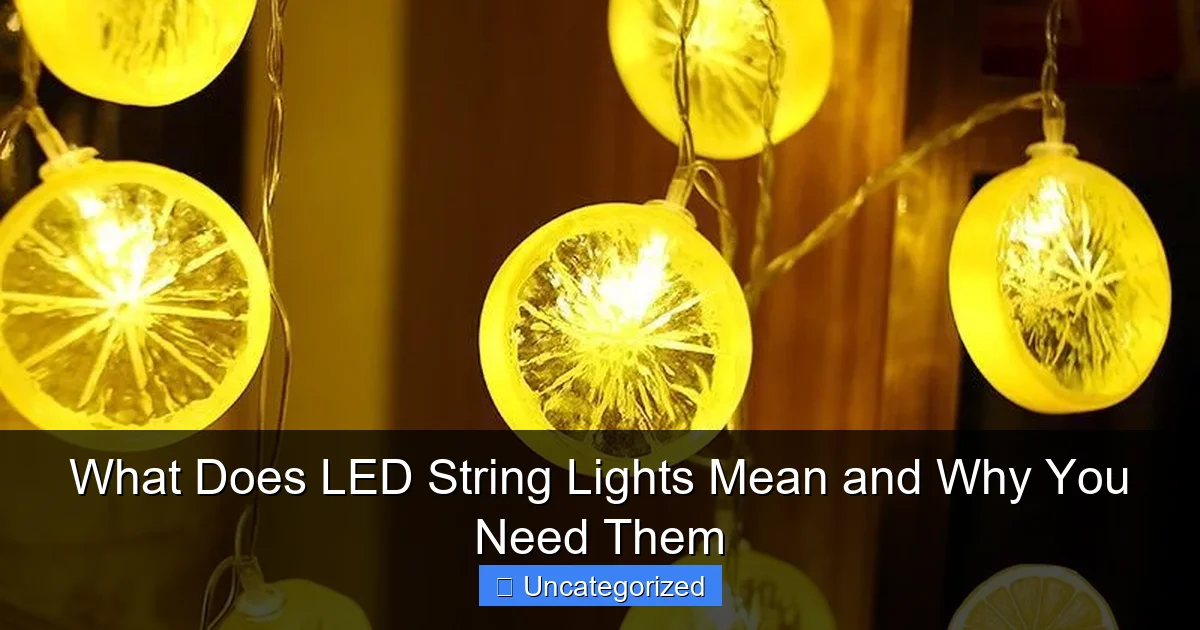
- Bulb shape: Mini, globe, Edison, fairy, star, heart, or custom shapes
- Light type: Steady, twinkling, color-changing, or motion-sensing
- Mounting options: Adhesive strips, clips, hooks, or built-in suction cups
- Smart features: App control, voice activation (Alexa/Google Assistant), timers, and music sync
Whether you want a rustic farmhouse look with warm Edison bulbs or a futuristic vibe with RGB color-changing LEDs, there’s a string light to match.
Popular Uses and Creative Applications
Home Decor and Interior Design
LED string lights are a game-changer for home decor. Their flexibility allows for endless creative possibilities:
- Bedroom: Drape over the headboard, frame a mirror, or create a “canopy” above the bed for a cozy, romantic feel.
- Living room: Wrap around bookshelves, highlight artwork, or line the ceiling for a soft, ambient glow.
- Kitchen: String along open shelves, under cabinets, or around a breakfast nook for a warm, inviting atmosphere.
- Bathroom: Use waterproof models to line a mirror or bathtub for spa-like relaxation.
Pro Tip: Use warm white (2700K–3000K) LEDs for a cozy, natural light or cool white (4000K–5000K) for a clean, modern look.
Outdoor and Landscape Lighting
Transform your yard, patio, or garden with LED string lights:
- Patio: Hang in zigzag patterns between posts or drape over a pergola for evening entertainment.
- Fence or railing: Wrap vertically or horizontally to define boundaries and add charm.
- Trees and shrubs: Weave through branches for a magical, fairy-tale effect—ideal for weddings or holiday displays.
- Pathways: Use low-voltage LED strings along walkways for safety and style.
For outdoor use, choose weatherproof (IP65/IP67) models and consider solar-powered options to reduce energy costs and eliminate extension cords.
Events, Parties, and Commercial Use
From weddings to restaurants, LED string lights are a go-to for creating unforgettable ambiance:
- Weddings: Hang over dance floors, drape on arbors, or wrap around centerpieces for a dreamy, ethereal glow.
- Restaurants and cafes: Use in outdoor seating areas to extend dining hours and enhance the customer experience.
- Retail displays: Highlight window merchandise or create themed lighting for holidays.
- Concerts and festivals: Integrate into stage backdrops, signage, or crowd lighting for immersive effects.
Real-world example: A popular rooftop bar in New York City uses 200 feet of warm white LED string lights to create a “skyline glow” that attracts customers and boosts social media engagement.
Choosing the Right LED String Lights: A Buyer’s Guide
Key Features to Consider
With so many options, selecting the right LED string lights can be overwhelming. Focus on these critical factors:
- Length and bulb count: Measure your space and choose a string with enough bulbs for even coverage (e.g., 24–36 bulbs per foot for dense lighting).
- Power source: Plug-in for permanent setups, battery for portability, USB for versatility, or solar for eco-friendliness.
- Brightness (lumens): 1–10 lumens per bulb for ambient lighting; 20+ for task or accent lighting.
- Color temperature: Warm white (2700K–3000K) for coziness; cool white (4000K–5000K) for clarity; RGB for versatility.
- Weather resistance: Check IP ratings (IP44 for splash-proof, IP65/IP67 for full outdoor use).
- Control options: Remote, app, or manual switch; look for dimming, timer, and mode functions.
Smart vs. Traditional: Which Is Right for You?
The rise of smart lighting has revolutionized LED string lights. Here’s how to decide:
- Traditional strings: Affordable, simple to use, and reliable. Best for basic decor or holiday lighting.
- Smart strings: Offer app control, voice commands, scheduling, and color customization. Ideal for tech-savvy users or dynamic displays.
Example: A smart RGB string from Philips Hue can sync with music, change colors based on time of day, or be controlled remotely via smartphone—perfect for parties or mood lighting.
Top Brands and Price Ranges
Here’s a comparison of popular brands and their typical price ranges:
| Brand | Type | Price Range (per 50 ft) | Key Features |
|---|---|---|---|
| GE | Traditional | $10–$25 | Warm white, battery or plug-in, weather-resistant |
| Philips Hue | Smart | $80–$150 | App control, 16 million colors, voice compatibility |
| Twinkly | Smart RGB | $100–$200 | Music sync, mapping, animated effects |
| Ankuka | Outdoor | $20–$40 | IP67 waterproof, solar option, 200+ bulbs |
| Brightech | Edison | $25–$50 | Retro style, warm glow, plug-in or solar |
While smart lights cost more upfront, their customization and convenience often justify the investment for frequent users.
Maintenance, Safety, and Sustainability
Proper Installation and Care
To maximize the lifespan and performance of your LED string lights, follow these tips:
- Test before installation: Plug in the string to ensure all bulbs work.
- Use clips or hooks: Avoid nails or staples that can damage wires.
- Don’t overload circuits: Check wattage limits for plug-in models.
- Store properly: Coil loosely and store in a cool, dry place to prevent tangling and corrosion.
- Clean gently: Wipe bulbs with a dry cloth; avoid water on non-waterproof models.
Safety Precautions
Though LEDs are safer than traditional lights, follow these guidelines:
- Check certifications: Look for UL, ETL, or CSA marks for electrical safety.
- Inspect for damage: Replace frayed wires or cracked bulbs immediately.
- Use outdoor-rated lights: Never use indoor strings outside.
- Turn off when unattended: Especially with battery-powered models.
Environmental Impact
LED string lights are a sustainable choice for several reasons:
- Lower carbon footprint: Reduced energy use means fewer greenhouse gas emissions.
- Long lifespan: Fewer replacements mean less waste.
- Recyclable materials: Many components (copper, plastic) can be recycled.
- Solar options: Harness renewable energy for zero-emission lighting.
By choosing energy-efficient, durable LEDs, you’re not just saving money—you’re helping the planet.
In a world where ambiance, efficiency, and sustainability matter more than ever, LED string lights stand out as a brilliant solution. From transforming your home into a cozy sanctuary to elevating outdoor spaces and special events, their versatility is unmatched. They’re safer, smarter, and more eco-friendly than ever, with options to suit every budget and style. Whether you’re a DIY decorator, a business owner, or someone who simply loves a little sparkle, investing in high-quality LED string lights is a decision that pays off—literally and aesthetically. So go ahead: light up your life, one twinkle at a time.
Frequently Asked Questions
What does LED string lights mean?
LED string lights refer to decorative lighting made of small LED (Light Emitting Diode) bulbs connected by a flexible wire or string. These energy-efficient lights are designed to provide ambient or accent lighting for indoor and outdoor spaces.
How are LED string lights different from traditional string lights?
Unlike traditional incandescent string lights, LED string lights use semiconductor technology to produce light, making them more energy-efficient, longer-lasting, and cooler to the touch. They also consume up to 80% less power, saving on electricity bills.
Why should I choose LED string lights for my home decor?
LED string lights offer versatility, durability, and energy savings, making them ideal for year-round home decor. They come in various colors, styles, and brightness levels, allowing you to create the perfect mood for any room or occasion.
Are LED string lights safe to use outdoors?
Yes, many LED string lights are specifically rated for outdoor use (look for an IP65 or higher waterproof rating). Their low heat output and weather-resistant designs make them a safe, reliable option for patios, gardens, and holiday displays.
What does the term “LED” in LED string lights actually do?
LED (Light Emitting Diode) is a tiny semiconductor that emits light when an electric current passes through it. In string lights, LEDs provide bright, consistent illumination while using minimal energy and generating almost no heat.
Can LED string lights be left on all night?
Yes, LED string lights are designed to run safely for extended periods due to their low heat output and energy efficiency. For added safety, use a timer or smart plug to automate shut-off, especially when using them overnight.