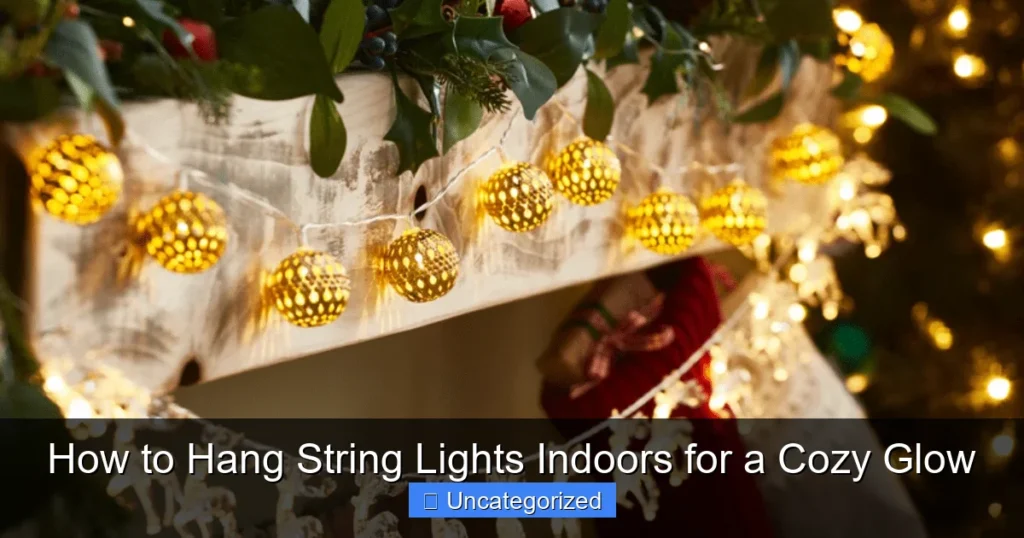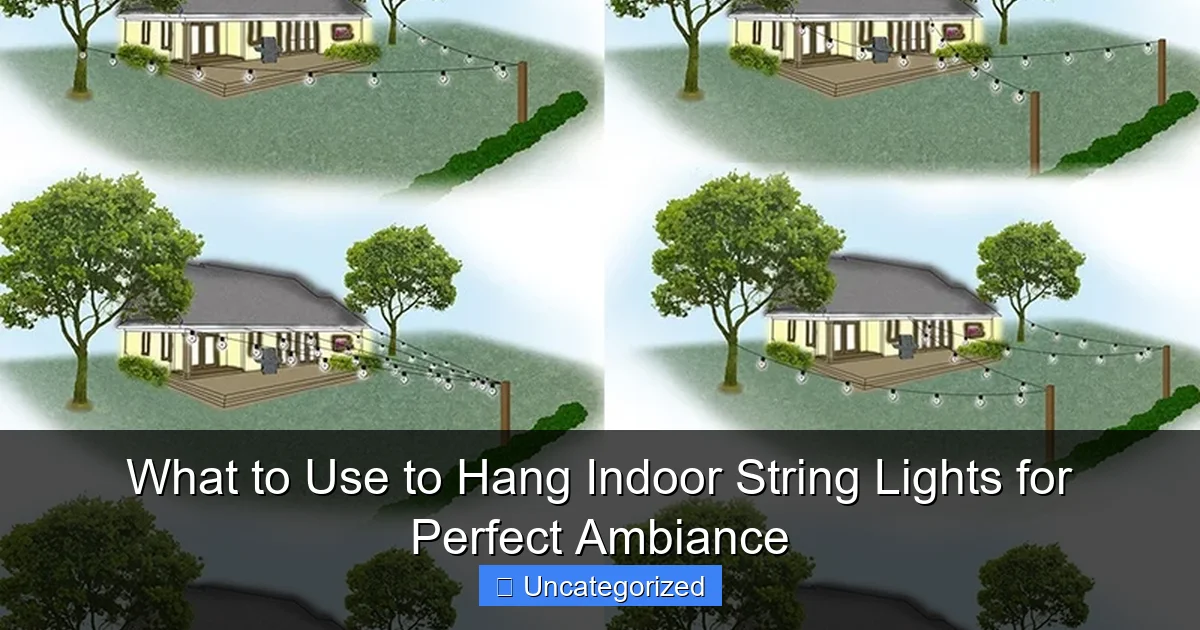
Featured image for what to use to hang indoor string lights
Image source: cdn.christmaslightsetc.com
Use removable adhesive hooks or tension rods for a damage-free, stylish way to hang indoor string lights—ideal for renters and easy to reposition. For a secure, permanent look, opt for small nails, picture hangers, or ceiling-mounted eye screws that blend seamlessly with your decor while holding lights firmly in place.
Key Takeaways
- Use adhesive hooks: Ideal for renters; no damage, easy to install.
- Try tension rods: Perfect for windows or open spaces without nails.
- Install picture rails: Durable and stylish for long-term light displays.
- Opt for removable clips: Secure lights without harming walls or paint.
- Choose command strips: Hold lightweight strings with no residue left behind.
- Hang from ceiling beams: Use S-hooks for rustic, elevated lighting effects.
📑 Table of Contents
- Creating the Perfect Indoor Glow with String Lights
- Understanding Your Wall Type and Surface Material
- Top Tools and Materials for Hanging Indoor String Lights
- Creative Hanging Techniques for Different Room Styles
- Choosing the Right String Lights for Your Space
- Data Table: Recommended Tools by Wall Type and Light Weight
- Final Tips for Long-Lasting, Beautiful Installations
Creating the Perfect Indoor Glow with String Lights
Few things can transform a room quite like the soft, inviting glow of indoor string lights. Whether you’re aiming for a cozy reading nook, a romantic bedroom ambiance, or a festive holiday atmosphere, the right lighting can elevate any space. String lights aren’t just for Christmas trees or outdoor patios—they’ve become a staple in modern interior design, offering versatility, warmth, and a touch of magic. But achieving that picture-perfect look isn’t just about plugging in the lights and draping them around. The secret lies in how you hang them. Choosing the right hanging method not only ensures safety and stability but also enhances the overall aesthetic of your space.
With so many options available—from command hooks to tension rods and adhesive clips—it’s easy to feel overwhelmed. The wrong choice might result in drooping lights, damaged walls, or worse, a sudden cascade of bulbs during your dinner party. That’s why understanding what to use to hang indoor string lights is crucial. This guide will walk you through the best tools, materials, and techniques for creating a stunning, long-lasting display. Whether you’re a renter, homeowner, or DIY enthusiast, you’ll find practical solutions tailored to your needs, wall types, and design goals. Let’s illuminate your space the right way.
Understanding Your Wall Type and Surface Material
Before you even pick up a hook or a drill, it’s essential to assess the type of walls and surfaces in your room. The material of your walls determines which hanging methods are safe, effective, and damage-free. Ignoring this step can lead to cracked paint, peeling plaster, or permanent holes—especially if you’re renting or planning to change your decor frequently.
Drywall and Plaster: The Most Common Indoor Surfaces
Drywall and plaster are the most common wall types in modern homes and apartments. While they look similar, they react differently to fasteners. Drywall is softer and can easily crack or crumble under pressure, especially when using nails or screws without proper support. Plaster, on the other hand, is harder and more brittle, making it prone to chipping if you hammer too hard.
Best tools for drywall and plaster:
- Removable adhesive hooks (e.g., Command™ Strips or hooks) – ideal for renters and temporary setups
- Push pins or small nails – suitable for lightweight lights and short-term use
- Picture hanging strips with hooks – provide more support than standard adhesive hooks
- Plaster anchors – for heavier installations or long-term use (requires drilling)
Tip: Always test a small area first. For plaster, pre-drill a tiny pilot hole before inserting any anchor to prevent cracking.
Concrete, Brick, and Masonry: Durable but Demanding
If you live in a basement apartment, industrial loft, or older home with exposed brick, you’ll need tools designed for hard, non-porous surfaces. These materials don’t hold nails well and often require specialized fasteners.
Best tools for concrete and brick:
- Masonry screws with plastic anchors – require drilling but offer maximum strength
- Concrete screws (Tapcon®) – self-tapping and ideal for heavy-duty installations
- Adhesive hooks rated for masonry – look for brands that specify “concrete” or “brick” compatibility
- Magnets or magnetic hooks – useful if you have metal beams or exposed ductwork
Pro tip: Use a masonry bit on your drill and go slowly to avoid overheating or cracking the surface.
Wooden Walls and Paneling: Easier to Work With
Wooden walls, such as those found in cabins, rustic interiors, or built-in bookshelves, are much more forgiving. They accept nails, screws, and even small brads without cracking, making them ideal for a variety of hanging methods.
Best tools for wood:
- Small nails or brads – easy to install and remove with minimal damage
- Screw hooks or eye screws – perfect for creating permanent or semi-permanent light loops
- Wood glue-mounted hooks – for a no-drill, damage-free option
- Picture rails or crown molding clips – use existing architectural features to hang lights
Note: If the wood is painted, consider using adhesive hooks to avoid chipping the finish.
Top Tools and Materials for Hanging Indoor String Lights
Now that you understand your wall type, it’s time to explore the best tools and materials for hanging your string lights. The right choice depends on the weight of your lights, how long you plan to keep them up, and your willingness to leave marks or holes.
Removable Adhesive Hooks and Strips (Best for Renters and Lightweight Lights)
Adhesive hooks are the go-to solution for renters, temporary setups, or anyone who wants a no-damage installation. Brands like Command™, 3M, and Scotch™ offer a range of sizes and weight ratings.
Recommended options:
- Command™ Clear Mini Hooks – hold up to 0.5 lbs, perfect for fairy lights
- Command™ Medium Wire Hooks – support up to 3 lbs, great for heavier LED strands
- Command™ Picture Hanging Strips – can hold up to 5 lbs and are ideal for creating a grid or pattern
How to use: Clean the wall with rubbing alcohol, press the hook firmly for 30 seconds, wait 1 hour before hanging lights. Remove by pulling straight down (not out) to prevent wall damage.
Push Pins and Tacks (Quick and Simple for Light Loads)
For a fast, no-tools-needed solution, push pins and decorative tacks are excellent. They work best on drywall and wood and are ideal for lightweight string lights (under 1 lb).
Tips for success:
- Use decorative push pins (available in brass, silver, or colored finishes) to enhance your decor
- Space pins every 8–12 inches to prevent sagging
- Use a pin cushion or small piece of foam to protect the wall when inserting pins
- For a vintage look, try antique-style thumb tacks with ornate heads
Screw Hooks and Eye Screws (For Permanent or Heavy Installations)
If you’re setting up a permanent lighting feature—like a canopy over a bed or a ceiling grid—screw hooks are the way to go. They offer excellent support and can hold heavier light strands, including Edison-style bulbs.
Types to consider:
- Small eye screws (No. 6 or No. 8) – ideal for ceiling joists or wooden frames
- Screw-in cup hooks – great for corners and edges
- Ceiling hooks with anchors – for drywall or plaster ceilings (use toggle bolts for extra strength)
Installation tip: Use a screwdriver or drill with a hex bit for easier insertion. Pre-drill a small pilot hole in wood to prevent splitting.
Tension Rods and Curtain Rods (For Ceiling or Window Installations)
Tension rods are a clever, no-damage solution for hanging string lights across a room or in front of a window. They rely on spring pressure to stay in place and are adjustable to fit various widths.
Best uses:
- Hanging lights between two walls (e.g., over a bed or dining table)
- Creating a “canopy” effect above a bed using multiple rods
- Mounting lights in front of a window for a soft, diffused glow
Pro tip: Choose rods with rubberized ends to prevent slipping. For heavier lights, use two rods and hang the lights in a zigzag pattern for even weight distribution.
Clips and Clamps (For Flexible, Adjustable Setups)
Adhesive clips, spring clamps, and binder clips are excellent for creating dynamic, changeable light displays. They’re especially useful for wrapping lights around furniture, bookshelves, or headboards.
Popular options:
- Binder clips with adhesive backing – attach to walls or furniture, then clip lights in place
- Spring clamps with rubber grips – great for attaching lights to curtain rods or shelves
- Mini clothespins – add a rustic, crafty touch and are perfect for photo walls or garlands
Creative Hanging Techniques for Different Room Styles
Once you’ve chosen your tools, it’s time to think about how to arrange your lights. The layout can dramatically affect the mood and functionality of your space. Here are creative techniques tailored to different room styles and purposes.
Bedroom Canopy: Dreamy and Romantic
Transform your bed into a cozy retreat with a string light canopy. This technique uses multiple anchor points around the bed frame or ceiling to create a draped, starry-night effect.
How to install:
- Use four adhesive hooks or eye screws at the corners of the bed
- Attach the lights in a crisscross or “X” pattern across the bed
- For a softer look, drape the lights loosely instead of pulling them taut
- Add fairy lights with warm white or soft pink bulbs for maximum coziness
Bonus: Hang sheer curtains from the same hooks for a layered, ethereal look.
Living Room Accent Wall: Modern and Inviting
An accent wall with string lights adds texture and depth to your living room. You can create geometric patterns, cascading waves, or even spell out words.
Design ideas:
- Geometric grid: Use picture hanging strips to form a grid of squares or diamonds
- Cascading waterfall: Hang lights from the ceiling in vertical lines, staggered for a flowing effect
- Word art: Spell out “LOVE” or “HOME” using adhesive hooks and LED letter lights
- Tree silhouette: Create a tree shape using push pins and green or white lights
Tip: Use a laser level to ensure straight lines and even spacing.
Kitchen or Dining Area: Functional and Festive
String lights aren’t just for ambiance—they can also provide task lighting in your kitchen or dining area. Hang them under cabinets, along a shelf, or above a breakfast nook.
Best placements:
- Under upper cabinets: Use adhesive clips or small screws to mount lights for countertop illumination
- Above a dining table: Install a tension rod or ceiling hooks to hang lights in a linear or clustered design
- Along a backsplash: Use clear adhesive hooks to create a glowing border
Safety note: Keep lights at least 18 inches away from stovetops or open flames.
Home Office or Reading Nook: Focused and Calming
For a workspace or reading corner, use string lights to reduce eye strain and create a calming atmosphere. Avoid bright, cool-white lights—opt for warm, dimmable LEDs.
Recommended setups:
- Wall-mounted shelf with underlighting: Install adhesive clips beneath a shelf to shine light upward
- Curtain of lights behind a desk: Hang a vertical strand of lights behind your chair for a soft backlight
- Frame your bookshelf: Wrap lights around the edges of open shelves for a library vibe
Choosing the Right String Lights for Your Space
Not all string lights are created equal. The type of lights you choose will influence the tools you use and the final look of your installation.
Bulb Type: LEDs vs. Incandescent
LED string lights are the most popular choice for indoor use. They’re energy-efficient, long-lasting (up to 50,000 hours), and emit very little heat—making them safe to touch and ideal for close proximity to walls or furniture.
Incandescent lights offer a warmer, vintage glow but are less energy-efficient and generate more heat. They’re better suited for short-term use or decorative displays where heat isn’t a concern.
Bulb Shape and Size
Different bulb shapes create different effects:
- Mini lights (fairy lights): Tiny, delicate, perfect for wrapping around furniture or creating subtle glows
- Edison bulbs: Vintage-style with visible filaments; heavier and require stronger anchors
- Globe lights: Spherical bulbs for a soft, diffused light; great for ambient lighting
- Twinkle or color-changing lights: Add movement and fun; ideal for kids’ rooms or parties
Length and Spacing
Measure your space before buying. Standard string lights come in 10-ft, 20-ft, and 30-ft lengths. For longer runs, consider connectable strings that plug end-to-end (check the maximum number allowed per circuit).
Spacing tip: Lights spaced 2–3 inches apart create a dense, glowing effect. Wider spacing (6+ inches) gives a more open, starry look.
Dimmable and Smart Features
For maximum control, choose dimmable string lights with a remote or app. Some models even sync with music or change color based on the time of day. These are ideal for bedrooms, home theaters, or meditation spaces.
Data Table: Recommended Tools by Wall Type and Light Weight
| Wall Type | Light Weight | Recommended Tools | Max Load | Damage Level |
|---|---|---|---|---|
| Drywall/Plaster | Under 1 lb | Command™ Mini Hooks, Push Pins | 0.5–1 lb | Low (removable) |
| Drywall/Plaster | 1–3 lbs | Command™ Medium Hooks, Picture Strips | 3 lbs | Low |
| Drywall/Plaster | 3+ lbs | Toggle Bolts, Screw Hooks with Anchors | 10+ lbs | Medium (holes required) |
| Wood | Any | Nails, Eye Screws, Adhesive Hooks | Up to 15 lbs | Low to Medium |
| Concrete/Brick | Any | Masonry Screws, Concrete Anchors | 20+ lbs | Medium to High |
| Metal/Beam | Any | Magnets, Magnetic Hooks | Up to 10 lbs | None |
Final Tips for Long-Lasting, Beautiful Installations
Hanging indoor string lights isn’t just about aesthetics—it’s about creating a safe, durable, and functional setup that enhances your home for weeks, months, or even years. With the right tools, techniques, and a bit of creativity, you can achieve a professional-quality lighting display that’s both beautiful and practical.
Always start by assessing your wall type and the weight of your lights. Choose removable options like Command™ hooks or adhesive clips for temporary or rental-friendly setups. For permanent installations, invest in screw hooks or anchors that match your surface. Use tension rods and clamps for flexible, no-damage solutions, especially in rooms with limited wall space.
When arranging your lights, think beyond straight lines. Try geometric patterns, cascading drapes, or even word art to personalize your space. And don’t forget about the lights themselves—opt for warm-white LEDs for coziness, dimmable models for versatility, and smart lights for added control.
Finally, safety first. Keep lights away from flammable materials, avoid overloading circuits, and always follow manufacturer guidelines. With these tips in mind, you’re ready to create the perfect ambiance—one glowing bulb at a time. So go ahead, string up those lights, and let your home shine.
Frequently Asked Questions
What hardware do I need to hang indoor string lights safely?
For most indoor setups, use adhesive hooks, removable mounting strips (like Command™), or small nails depending on your wall type. Always check weight limits and test adhesive strength first to avoid damage or falling lights.
Can I hang indoor string lights without damaging my walls?
Yes! Damage-free options include removable adhesive hooks, tension rods, curtain rods, or stringing lights along shelves and furniture. These solutions work well for rentals or temporary installations.
What’s the best way to hang string lights in a bedroom for ambiance?
For a cozy bedroom vibe, drape lights along the headboard, around a mirror, or across a wall using adhesive hooks or clips. Ensure cords are tucked safely away to prevent tripping hazards.
Are adhesive hooks strong enough for hanging indoor string lights?
Most adhesive hooks can support lightweight string lights (like LED fairy lights), but check the weight rating. For heavier bulbs or longer strands, opt for wall anchors or tension rods instead.
How do I hang string lights on a ceiling without drilling?
Use adhesive ceiling hooks, removable putty, or attach lights to existing ceiling moldings or curtains. For grid ceilings, clip lights directly onto the grid edges for a seamless look.
What to use to hang indoor string lights on a brick or concrete wall?
For hard surfaces, use masonry nails, removable adhesive hooks designed for rough surfaces, or a freestanding backdrop like a photo rail. Avoid damaging historic finishes with removable options.