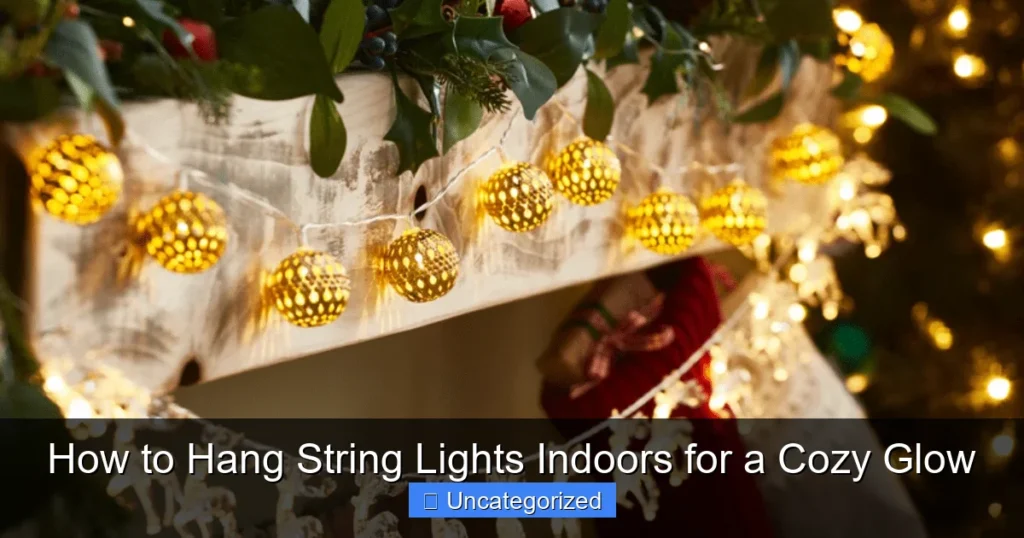
Featured image for how to choose led string lights
Image source: static.vecteezy.com
Choosing the right LED string lights starts with understanding the purpose—ambiance, task lighting, or decoration—as this determines brightness, color temperature, and placement. Look for energy-efficient, weather-resistant models with adjustable settings to match your space, whether indoors or out, and always check bulb spacing and total length to ensure even, seamless coverage.
How to Choose LED String Lights for Your Space
Key Takeaways
- Measure your space to determine the right length and coverage.
- Choose warm vs. cool tones to match your desired ambiance.
- Prioritize waterproof ratings for outdoor or humid areas.
- Opt for dimmable lights to adjust brightness for any occasion.
- Check energy efficiency to save on long-term power costs.
- Pick durable materials like copper or PVC for longevity.
Why This Matters / Understanding the Problem
You’ve probably seen them: glowing fairy lights draped over a headboard, wrapped around a patio railing, or twinkling in a café window. LED string lights can transform any room or outdoor area into a warm, inviting space. But with so many options—different shapes, colors, power sources, and brightness levels—it’s easy to feel overwhelmed. That’s where knowing how to choose LED string lights for your space becomes essential.
Choosing the wrong type can lead to dim lighting, poor placement, or even safety issues. Some lights are too bright for a bedroom, others aren’t weatherproof for a garden. And if you pick battery-powered lights for a large area, you’ll be changing batteries every weekend. This guide cuts through the confusion and helps you pick the perfect set—whether you’re decorating for a wedding, sprucing up your balcony, or just making your living room feel cozier.
By the end, you’ll know exactly what to look for, how to match lights to your needs, and how to avoid common pitfalls. Let’s light up your space—the smart way.
What You Need
Before you start shopping, gather a few tools and ideas. You don’t need anything fancy, but having these on hand will make the process easier and more accurate.
Visual guide about how to choose led string lights
Image source: contenthub-static.grammarly.com
- Measuring tape – To measure the area you want to light (walls, trees, furniture).
- Notepad or phone – To jot down ideas, measurements, and your lighting goals.
- Sketch of the space (optional) – A quick drawing helps visualize where lights will go.
- Power source access – Check if you have outlets nearby or if you need battery-powered or solar options.
- Weatherproofing check – If using outdoors, note exposure to rain, wind, or direct sun.
- Smartphone or tablet – To browse reviews, compare prices, and check product specs.
Bonus: Think about your mood or theme. Are you going for romantic, festive, modern, or cozy? This will help narrow down colors and styles. The key to mastering how to choose LED string lights for your space starts with knowing your space and your vision.
Step-by-Step Guide to How to Choose LED String Lights for Your Space
Step 1: Measure Your Space and Plan the Layout
Grab your measuring tape and walk around the area you want to light. Whether it’s a 10-foot wall, a 6-foot tree, or a 4-foot headboard, get the exact length and height.
For example, if you’re hanging lights above a dining table, measure the perimeter of the table plus a few extra feet for draping or swagging. If wrapping around a tree, measure the trunk circumference and branch spread.
Sketch a quick layout. Will you:
- Hang them in a zigzag pattern?
- Wrap them around a railing?
- Suspend them from the ceiling in a canopy?
Each design needs a different length. A zigzag across a 12-foot wall might need 20–25 feet of lights, while a straight run needs just 12–14 feet. Overestimating is better than underestimating—most sets are easy to tuck or hide excess.
Pro Tip: Buy a string 10–20% longer than your measured length. This gives you flexibility for creative arrangements and hides any gaps.
Step 2: Decide on the Type of LED String Light
Not all LED string lights are the same. The type you choose depends on your space, usage, and power needs. Here are the main types:
- Standard plug-in strings – Best for indoor use near outlets. Reliable and bright. Great for bedrooms, living rooms, or holiday decor.
- Battery-powered strings – No outlet needed. Ideal for small spaces, camping, or temporary setups. But batteries drain fast—especially with long runs.
- Solar-powered strings – Eco-friendly and perfect for gardens, patios, or balconies. They charge by day and glow at night. Just make sure they get at least 6 hours of sunlight.
- Plug-in with remote/smart control – Offers color changes, timers, and brightness control. Great for mood lighting or parties.
- USB-powered strings – Can plug into a power bank or laptop. Useful for small setups, like dorm rooms or photo backdrops.
Ask yourself: How long will the lights be on? Do you need remote control? Is the area near a power source? For example, if you’re lighting a backyard gazebo without nearby outlets, solar or battery is your best bet.
When learning how to choose LED string lights for your space, the power source is one of the most important decisions. Pick the wrong one, and you’ll be stuck with dead lights or constant battery changes.
Step 3: Choose the Right Bulb Shape and Spacing
LEDs come in different shapes—each creating a unique look:
- Globe (round) bulbs – Soft, diffused glow. Great for bedrooms, patios, or weddings. Mimics traditional holiday lights.
- Fairy (tiny) bulbs – Delicate and magical. Perfect for wrapping around furniture, trees, or creating a “starry sky” effect.
- Edison-style (filament) – Vintage look with visible filaments. Ideal for cafes, restaurants, or industrial-style homes.
- Mini lights (small, clear or colored) – Classic holiday style. Good for wrapping wreaths or mantels.
- Tube or rope lights – Long, continuous glow. Often used under cabinets, along stairs, or as accent lighting.
Spacing matters too. Lights with 4-inch spacing are ideal for wrapping trees or railings. 6-inch spacing works for larger areas like walls or ceilings. Tighter spacing (2–3 inches) creates a denser, brighter effect—great for photo backdrops or event decor.
Warning: Avoid lights with spacing over 8 inches unless you’re going for a sparse, artistic look. They can look “patchy” and fail to fill the space.
Step 4: Pick the Right Color and Temperature
Color sets the mood. Here’s how to pick the right one:
- Warm white (2700K–3000K) – Cozy, inviting, and perfect for bedrooms, living rooms, or dining areas. Mimics candlelight.
- Cool white (4000K–5000K) – Bright and clean. Best for kitchens, offices, or task lighting.
- Daylight (5000K–6500K) – Crisp and energizing. Use sparingly—can feel clinical in living spaces.
- Multicolor or color-changing – Fun for parties, holidays, or kids’ rooms. Look for models with a “warm white” option to switch back to cozy lighting.
- Single color (e.g., red, blue, pink) – Great for themed decor, Valentine’s Day, or accent lighting.
For most home spaces, warm white is the safest and most flattering choice. It enhances wood tones, softens skin in photos, and creates a relaxing vibe.
If you want flexibility, go for a color-changing set with a remote. Just make sure it has a memory function—so it turns back on with your favorite setting.
When figuring out how to choose LED string lights for your space, color temperature is often overlooked but makes a huge difference in ambiance.
Step 5: Check Brightness and Lumens
Brightness is measured in lumens. But don’t get hung up on high numbers—more isn’t always better.
- 20–50 lumens per foot – Soft, ambient glow. Perfect for bedrooms, patios, or mood lighting.
- 50–100 lumens per foot – Balanced brightness. Good for living rooms, dining areas, or holiday decor.
- 100+ lumens per foot – Very bright. Use for task lighting, outdoor security, or large event spaces.
Example: A 20-foot string with 50 lumens per foot = 1,000 total lumens. That’s enough to softly illuminate a small room without glare.
Also check the wattage. Most LED strings use 5–20 watts, which is energy-efficient. But if you’re running multiple sets, lower wattage means lower electricity bills.
Pro Tip: For bedrooms or nurseries, aim for 20–40 lumens per foot. Anything brighter can disrupt sleep.
Step 6: Evaluate Durability and Weather Resistance
If you’re using lights outdoors, weather resistance is a must. Look for the IP rating on the packaging:
- IP44 – Splash-proof. Good for covered patios or porches.
- IP65 – Waterproof and dustproof. Can handle rain, snow, and direct exposure.
- IP67 or higher – Submersible for short periods. Overkill for most home use.
Also check the wire material. Thicker, rubber-coated cords last longer than thin, plastic ones—especially outdoors.
For indoor use, durability is less critical, but look for tangle-free wires and sturdy connectors. Cheap sets often have flimsy plugs or weak bulb sockets.
If you live in a windy or rainy area, go for IP65 or higher. And always store outdoor lights indoors during extreme weather to extend their life.
Step 7: Consider Smart Features and Controls
Modern LED string lights often come with smart features that make them easier to use:
- Remote control – Adjust brightness, change colors, or set a timer without touching the lights.
- App control – Use your phone to schedule on/off times or sync with music.
- Voice control – Works with Alexa, Google Assistant, or Siri. Say “Turn on the patio lights” and they glow.
- Timer and auto-off – Lights turn off after 2, 4, or 6 hours. Saves energy and prevents overheating.
- Music sync – Lights pulse or change color with your music. Great for parties.
Smart features add convenience but also cost. If you just want simple, warm lighting, a basic remote is enough. But if you love tech and want full control, invest in a smart set.
Just make sure the app or remote is user-friendly. Some models have glitchy apps or hard-to-find remotes.
Step 8: Read Reviews and Check the Warranty
Before buying, check customer reviews—especially the 3-star and 1-star ones. They often reveal real issues like:
- “Lights stopped working after 3 weeks.”
- “Battery dies in 2 hours.”
- “Remote doesn’t work through walls.”
Look for brands with at least a 1-year warranty. Some offer 2–3 years for outdoor sets. A good warranty shows the company stands behind their product.
Also, check if the seller offers easy returns. If the lights arrive damaged or don’t fit your space, you want a hassle-free return policy.
When mastering how to choose LED string lights for your space, real user feedback is your best guide. Don’t just trust the product photos—read what actual buyers say.
Pro Tips & Common Mistakes to Avoid
Pro Tip 1: Use clips or hooks instead of nails. They protect walls and make removal easy. Try adhesive hooks for drywall or outdoor-rated zip ties for trees.
Pro Tip 2: Layer your lighting. Combine LED strings with floor lamps, candles, or table lights for a rich, layered look. Avoid “all-or-nothing” lighting.
Pro Tip 3: Test lights before hanging. Plug them in or turn them on to check for dead bulbs or dim sections. It’s easier to fix on the floor than 8 feet up a ladder.
Warning: Don’t overload outlets. Most circuits can handle 10–15 LED strings. Check the wattage and use a power strip with surge protection.
Common Mistake 1: Buying lights that are too short. Measure twice, buy once. A 10-foot wall with 8-foot lights looks awkward.
Common Mistake 2: Ignoring the power source. Battery-powered lights are great for small setups, but for long-term use, plug-in or solar is better.
Common Mistake 3: Choosing cool white for a bedroom. It’s harsh and disrupts melatonin production. Warm white is always better for relaxation.
Also, avoid cheap, no-name brands. They often use low-quality LEDs that burn out fast or flicker. Stick with reputable brands like GE, Philips, Twinkly, or Luminoodle.
And remember: LED string lights are for accent lighting, not primary lighting. Use them to enhance, not replace, your main light sources.
FAQs About How to Choose LED String Lights for Your Space
Q: Can I cut LED string lights to size?
A: It depends. Most plug-in and battery-powered strings can’t be cut—doing so damages the circuit. But some cuttable LED strips (like rope lights) have marked cut points. Always check the product description. If it says “do not cut,” don’t.
Q: How long do LED string lights last? Q: Are LED string lights safe for outdoor use? Q: How many LED strings can I connect together? Q: What’s the best way to store LED string lights? Q: Can I use LED string lights in my bedroom? Q: Are solar-powered string lights worth it? Choosing the right LED string lights doesn’t have to be confusing. By following these steps—measuring your space, picking the right power source, selecting the perfect color and brightness, and checking durability—you’ll find a set that fits your needs and enhances your home. Remember, the goal is to create a space that feels warm, inviting, and uniquely yours. Whether you’re lighting a tiny apartment balcony or a sprawling garden, the right lights make all the difference. So, start with your space, plan your layout, and don’t be afraid to mix and match. A few warm white fairy lights over your bed, a string of solar globes on the fence, and some color-changing lights for parties—it’s all about balance and creativity. Now that you know how to choose LED string lights for your space, go ahead and light it up. Your perfect ambiance is just a string away. And when you’re ready to upgrade, revisit this guide. Lighting trends change, but smart choices last. Happy glowing!
A: Quality LED lights last 25,000 to 50,000 hours
A: Yes, if they have an IP65 or higher rating. Make sure the plug is protected from rain (use a covered outlet or outdoor-rated extension cord). Never use indoor-only lights outside.
A: Check the packaging. Most sets allow 3–5 strings in a chain. Exceeding the limit can overload the circuit and cause overheating. For large areas, use multiple power sources.
A: Wrap them around a cardboard tube, plastic reel, or use a light storage bag. This prevents tangling and extends bulb life. Store in a dry, cool place.
A: Absolutely! They’re perfect for creating a calm, cozy atmosphere. Choose warm white, low brightness (20–40 lumens/ft), and a timer to turn off automatically.
A: Yes, for outdoor use. They’re eco-friendly, save on electricity, and turn on automatically at dusk. Just make sure they get 6+ hours of sunlight. Cloudy days may reduce brightness.Final Thoughts