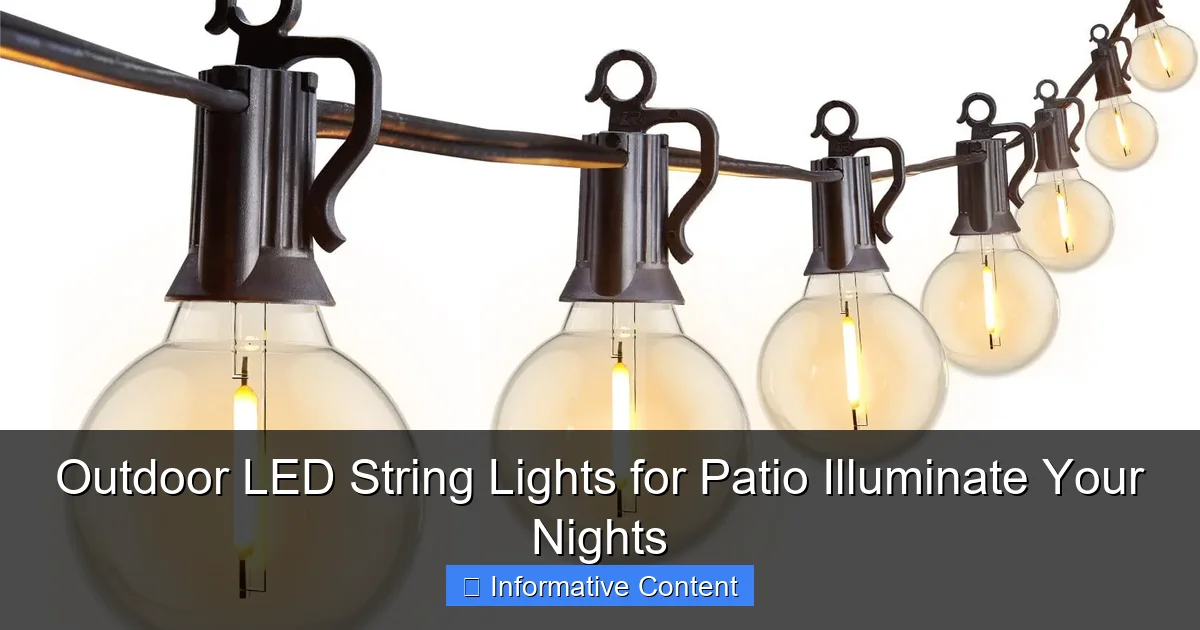
Featured image for outdoor led string lights for patio
Image source: m.media-amazon.com
Transform your patio into a captivating nighttime oasis with energy-efficient outdoor LED string lights that deliver brilliant, long-lasting illumination while consuming minimal power. Weather-resistant and easy to install, these versatile lights enhance ambiance for gatherings or quiet evenings, making them a must-have for stylish, functional outdoor spaces.
Key Takeaways
- Choose weatherproof LEDs: Ensure durability with IP65-rated lights for all seasons.
- Opt for warm white: Creates a cozy ambiance ideal for patio gatherings.
- Measure your space: Buy 10-20% extra length for flexible installation.
- Prioritize energy efficiency: Save costs with low-wattage, high-lumen LED bulbs.
- Use smart controls: Adjust brightness/timers via app or remote for convenience.
- Install with clips/hooks: Protects wires and simplifies setup on any surface.
📑 Table of Contents
- Why Outdoor LED String Lights Are a Game-Changer for Your Patio
- Understanding the Different Types of Outdoor LED String Lights
- Key Features to Look for in Outdoor LED String Lights for Patio Use
- Installation Tips: How to Hang Outdoor LED String Lights Like a Pro
- Creative Ways to Use Outdoor LED String Lights for Patio Ambiance
- Top Brands and Models: What’s Worth Your Money?
- Final Thoughts: Light Up Your Nights the Smart Way
Why Outdoor LED String Lights Are a Game-Changer for Your Patio
Remember that one summer evening when you hosted a barbecue, and the party just didn’t feel complete until the sun went down? You scrambled to find a flashlight, then a lantern, and finally settled on a dim porch light that barely lit up the grill. We’ve all been there. But what if I told you there’s a simple, stylish, and energy-efficient way to transform your patio into a warm, inviting oasis—night after night? Enter outdoor LED string lights for patio use. These aren’t just decorative; they’re practical, long-lasting, and perfect for setting the mood, whether you’re enjoying a quiet cup of tea or throwing a backyard bash.
Over the past few years, outdoor LED string lights have exploded in popularity—and for good reason. They’re affordable, easy to install, and come in a wide variety of styles. Whether you want a rustic farmhouse look, a modern minimalist vibe, or a tropical tiki bar feel, there’s a set that matches your aesthetic. But beyond the looks, LED technology brings serious benefits: low energy use, minimal heat, and lifespans that can stretch into decades. In this guide, I’ll walk you through everything you need to know to choose the perfect set of outdoor LED string lights for patio use—from bulb types and power sources to installation tips and real-life examples. No fluff, just honest, practical advice to help you make your nights brighter.
Understanding the Different Types of Outdoor LED String Lights
When you start shopping for outdoor LED string lights for patio areas, you’ll quickly realize there’s more variety than you might expect. Not all string lights are created equal, and understanding the differences can save you time, money, and frustration. Let’s break down the main types so you can pick the right fit for your space.
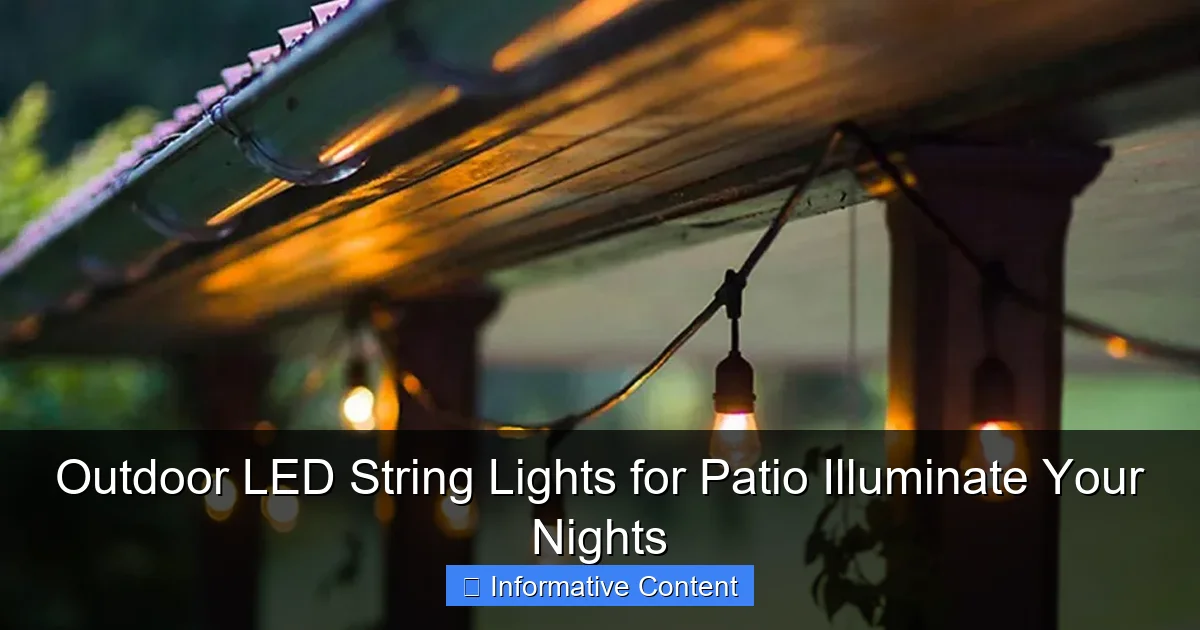
Visual guide about outdoor led string lights for patio
Image source: firstforwomen.com
1. Bulb Shape and Style
The shape of the bulb plays a big role in the overall look and feel of your patio lighting. Here are the most common types:
- Edison-style bulbs: These have a vintage filament look with a warm, golden glow. They’re perfect for creating a cozy, rustic atmosphere. I used these at my sister’s wedding reception, and the photos turned out magical—like something from a Pinterest board.
- Globe bulbs: Round, smooth, and modern. These give off a clean, even light and work well in contemporary or minimalist patios. They’re also great for evenly illuminating larger spaces.
- Teardrop or lantern bulbs: These are slightly larger and often mimic the look of traditional lanterns. They cast a soft, focused glow and are ideal for hanging above dining tables or seating areas.
- Mini LEDs (fairy lights): Tiny, delicate bulbs that create a magical, twinkling effect. Best used for wrapping around railings, trees, or pergolas. They’re subtle but add a dreamy touch.
Pro tip: If you’re going for a romantic or nostalgic vibe, go with Edison-style. For a sleek, modern look, choose globe or teardrop. And if you want a “fairy tale” feel, mini LEDs are your best bet.
2. String Configuration: S14, S19, and More
You’ll often see terms like “S14” or “S19” in product descriptions. These refer to the bulb size and base type. S14 bulbs are the standard for most patio string lights—about the size of a small egg. S19 bulbs are slightly larger and more decorative, often used in commercial settings. For home patios, S14 is usually the sweet spot: bright enough to illuminate, but not so big they overpower the space.
Also consider whether the lights are end-to-end connectable. This means you can plug multiple strands together to cover a longer distance. I once bought a set that wasn’t connectable and ended up with three separate power outlets—definitely not ideal. Look for sets that allow at least 3–5 strands to connect. That way, you can cover your entire patio without running extension cords across the yard.
3. Color Temperature: Warm vs. Cool vs. RGB
Color temperature is measured in Kelvins (K), and it affects the mood of your space:
- Warm white (2700K–3000K): Cozy, inviting, and flattering. This is what most people think of when they picture “patio lighting.” It mimics candlelight and works great for dinners, conversations, or relaxing.
- Cool white (4000K–5000K): Bright and crisp, almost like daylight. It’s better for task lighting (like grilling or reading) but can feel a bit harsh for evening ambiance. I tried these once and felt like I was in a parking lot—not the vibe I was going for.
- RGB (color-changing): These let you switch between colors using a remote or app. Great for parties, holidays, or when you want to change the mood. But they’re more expensive and can be overkill if you just want a consistent warm glow.
For most patios, I recommend starting with warm white. It’s timeless, energy-efficient, and universally appealing. Save RGB for accent pieces or special occasions.
Key Features to Look for in Outdoor LED String Lights for Patio Use
Now that you know the types, let’s talk about the features that make a set truly outdoor-ready. Not all LED string lights are designed for year-round exposure to the elements. Here’s what to prioritize.
Weather Resistance: IP Rating Matters
The IP (Ingress Protection) rating tells you how well the lights resist dust and water. For outdoor use, look for at least IP44—this means they’re protected against splashes from all directions. If you live in a rainy or snowy climate, go for IP65 or higher. That means they can handle heavy rain, snow, and even temporary immersion.
I learned this the hard way. I once bought a set with IP40 (only dust-resistant) and left it up during a spring storm. The next morning, half the bulbs were dead. Lesson learned: always check the IP rating. And if you’re in a coastal area with salty air, IP67 is ideal.
Power Source: Plug-in, Battery, or Solar?
Your power source affects both convenience and placement:
- Plug-in (AC powered): Most reliable and brightest. Best for patios near an outdoor outlet. Just make sure the cord is long enough (at least 10–15 feet) and use a GFCI outlet for safety.
- Battery-powered: Super flexible—no outlet needed. Great for temporary setups or small spaces. But batteries drain quickly, especially with RGB lights. I once used battery-powered LEDs for a birthday party and had to replace them halfway through. Not ideal.
- Solar-powered: Eco-friendly and easy to install. Just place the solar panel in direct sunlight. The downside? They’re dimmer and can be inconsistent on cloudy days. I use solar fairy lights in my garden, and they work great—but they’re not bright enough for dining areas.
For a permanent patio setup, I recommend plug-in. If you’re renting or can’t run a cord, solar or battery is a good backup.
Durability and Build Quality
Outdoor lights take a beating. Look for:
- UV-resistant cords: Prevents yellowing and cracking in sunlight.
- Shatterproof bulbs: Plastic instead of glass. Safer and more durable.
- Stainless steel or coated hooks: Resists rust and corrosion.
- Strain relief at connection points: Prevents wires from fraying when you move the lights.
I once bought a set with thin plastic hooks. After one winter, they all snapped. Now I always look for metal or reinforced plastic hardware.
Smart Features and Controls
Many modern outdoor LED string lights for patio use come with smart features:
- Remote controls
- Timer functions (turn on/off at sunset/sunrise)
- Dimming capabilities
- App integration (like Alexa or Google Home)
Smart features are nice but not essential. If you want them, make sure the app is reliable and doesn’t require a monthly subscription. I tried one set with a buggy app—it took me 10 minutes just to turn the lights on. Not worth it.
Installation Tips: How to Hang Outdoor LED String Lights Like a Pro
Installing your lights shouldn’t be a chore. With the right approach, it can be fun—and the results will be worth it. Here’s how to do it right the first time.
Plan Your Layout First
Before you buy anything, sketch out your patio. Where do you want the lights? Above the table? Around the railing? Along the fence? Think about:
- Light placement: Aim for even coverage without dark spots.
- Power access: Where’s the nearest outlet? Can you run a cord safely?
- Hanging points: Trees, pergolas, eaves, hooks, or poles?
I once hung lights without planning and ended up with a zigzag pattern that looked like a spiderweb. Not my finest moment.
Choose the Right Mounting Method
There are several ways to hang your lights:
- Ceiling or eave hooks: Screw-in or adhesive hooks work well for permanent setups. Use stainless steel screws for wood, or plastic anchors for stucco.
- Railings and fences: Use zip ties, S-hooks, or clips. Just make sure they’re tight enough to handle wind.
- Trees: Use soft fabric straps or rope—never wire, which can damage bark. I wrap fairy lights around my maple tree each fall, and it looks like a fairy forest.
- Ground stakes or poles: For open patios, consider freestanding poles or shepherd’s hooks. These are great for renters or temporary setups.
Pro tip: Use a laser level or chalk line to keep your lights straight. A crooked line is hard to unsee.
Test Before You Install
Always test your lights before hanging them. Plug them in to make sure all bulbs work. If one strand is faulty, return it before installation. I once spent an hour hanging a strand only to realize a third of the bulbs were dead. Frustrating!
Use the Right Tools and Safety Gear
- Ladder (with a helper if needed)
- Drill and screwdriver
- Measuring tape
- Extension cord (rated for outdoor use)
- Work gloves (for handling hooks and wires)
And remember: never install lights in wet conditions. Water and electricity don’t mix.
Creative Ways to Use Outdoor LED String Lights for Patio Ambiance
String lights aren’t just for hanging in a straight line. With a little creativity, you can turn your patio into a magical retreat. Here are some ideas I’ve tried—and loved.
Create a Canopy or “Ceiling” Effect
Hang lights in a crisscross or grid pattern above your patio. Use a pergola, gazebo, or even tall poles. This creates a “room” feel and makes the space more intimate. I did this at my friend’s backyard wedding, and it transformed a simple lawn into a dreamy reception hall.
Wrap Around Trees or Railings
Wrap lights around tree trunks, railings, or pillars. Use spiral patterns or wrap vertically. This adds depth and draws the eye upward. I wrap my porch columns each summer, and it makes the whole house feel festive.
Highlight Architectural Features
Use lights to accentuate pergolas, arches, or built-in seating. String them along the edges or under benches. This adds subtle drama without overwhelming the space.
Layer Your Lighting
Don’t rely on string lights alone. Combine them with:
- Pathway lights (for safety)
- Lanterns or candles (for texture)
- Spotlights (to highlight plants or art)
I use solar path lights along my walkway and string lights above the table. The combo is perfect for evening dinners.
Seasonal Themes and Color Schemes
Swap out bulbs or use colored filters for holidays. Red and green for Christmas, orange and purple for Halloween, or pastels for spring. I keep a set of RGB lights just for parties—it’s like having a mini light show in my backyard.
Top Brands and Models: What’s Worth Your Money?
With so many options, it’s hard to know which brands are worth the investment. I’ve tested several, and here’s what I’ve found.
| Brand | Model | Key Features | Best For | Price Range |
|---|---|---|---|---|
| Luminoodle | Outdoor String Light (25ft, S14) | IP65, connectable, warm white, shatterproof | Permanent setups, large patios | $35–$50 |
| Brightech | LED Outdoor String Lights (48ft, Edison) | Weatherproof, dimmable, remote control | Vintage style, evening ambiance | $60–$80 |
| Philips Hue | Outdoor Lightstrip | Smart app control, color-changing, IP67 | Tech lovers, parties, RGB effects | $120–$150 |
| Twinkle Star | Solar String Lights (33ft, globe) | Solar-powered, auto on/off, 8 modes | Eco-friendly, small spaces | $25–$35 |
| GE | LED Outdoor String Lights (50ft, mini) | Connectable, timer, IP44 | Budget-friendly, fairy light effect | $20–$30 |
My top pick for most people: Luminoodle or Brightech for plug-in, Twinkle Star for solar. Avoid ultra-cheap brands (under $15)—they often have poor weather resistance and short lifespans.
Final Thoughts: Light Up Your Nights the Smart Way
There’s something magical about stepping onto your patio at night and being greeted by a warm, glowing embrace. Outdoor LED string lights for patio use aren’t just about visibility—they’re about creating moments. Whether it’s a quiet night with a book, a family dinner under the stars, or a spontaneous dance party with friends, the right lighting sets the tone.
You don’t need to spend a fortune or be an electrician to get it right. Focus on quality (weather resistance, durable materials), choose a style that fits your space, and install it thoughtfully. Start small if you’re unsure—maybe just one strand over the table. Once you see the difference, you’ll be hooked.
And remember: the best outdoor lighting grows with you. You can always add more strands, try new colors, or switch to smart controls as your needs change. The goal isn’t perfection—it’s creating a space where you love to be, day or night.
So go ahead. Pick a set, grab a ladder, and light up your nights. Your patio is waiting.
Frequently Asked Questions
How do outdoor LED string lights for patio enhance my outdoor space?
Outdoor LED string lights for patio instantly transform your area into a cozy, inviting ambiance, perfect for entertaining or relaxing. Their warm glow highlights landscaping, seating areas, or dining spaces while using minimal energy.
Are these lights weatherproof and safe for year-round use?
Yes, most outdoor LED string lights are designed with weatherproof coatings and IP65+ ratings to withstand rain, snow, and UV exposure. Always check the product specifications to ensure durability in your climate.
Can I connect multiple strands of LED string lights together?
Many outdoor LED string lights feature end-to-end connectors, allowing you to link multiple strands for longer coverage. Check the manufacturer’s guidelines to avoid exceeding the recommended maximum wattage.
Do outdoor LED string lights come with smart features?
Some modern options include smart features like app control, dimming, or color-changing modes via Wi-Fi or Bluetooth. These let you customize brightness and mood effortlessly with your smartphone.
How do I install outdoor LED string lights on my patio?
Use hooks, clips, or adhesive mounts to secure the lights along railings, fences, or pergolas without damaging surfaces. For best results, plan your layout and measure spacing before installation.
What’s the lifespan of outdoor LED string lights?
High-quality LED string lights can last 20,000 to 50,000 hours—equivalent to 5–10 years with regular evening use. Their long life and low energy consumption make them a cost-effective choice.