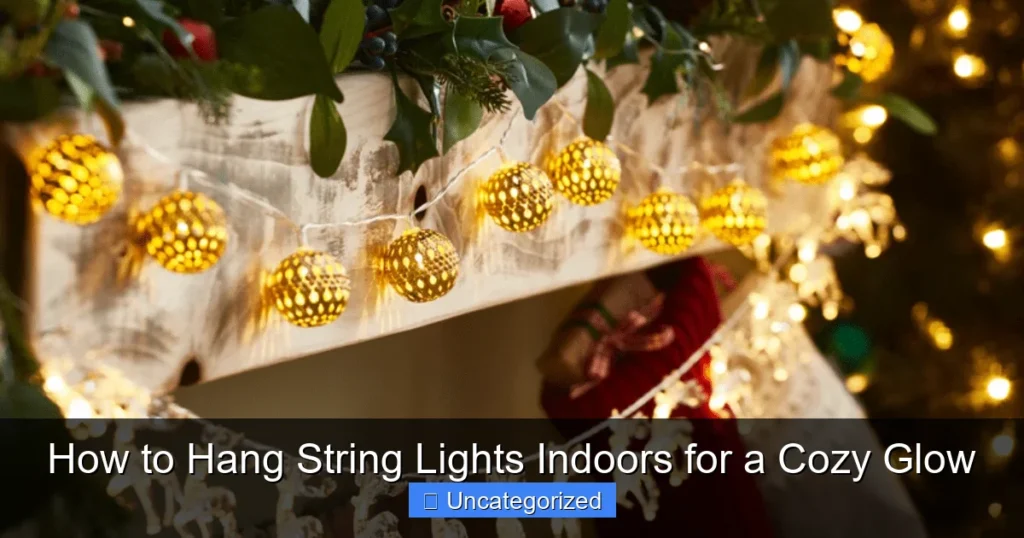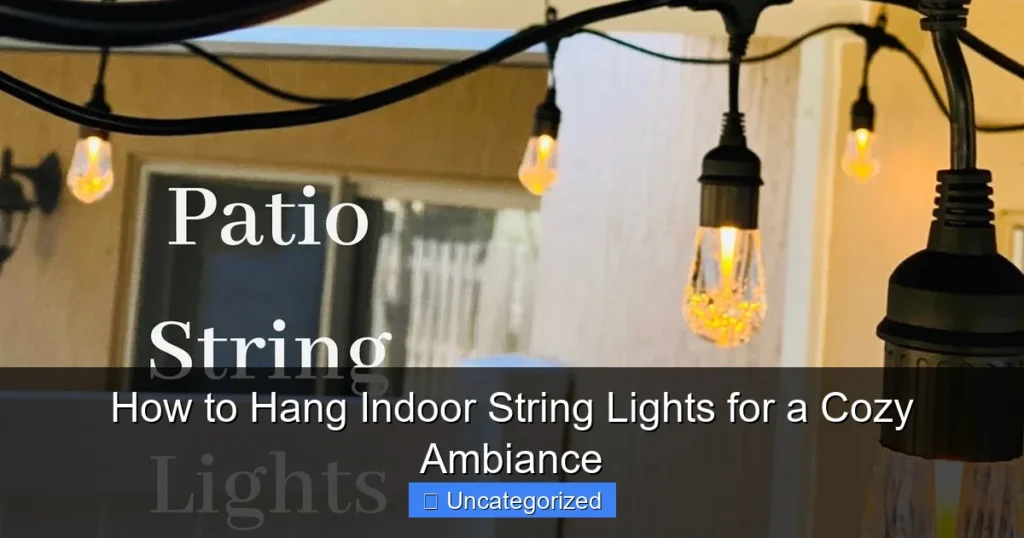
Featured image for how bright is a led string light
Image source: lamphq.com
LED string lights typically emit 10–20 lumens per bulb, making them ideal for ambient or decorative lighting rather than task illumination. Brightness varies by bulb type, count, and wattage, with higher-lumen LEDs offering a vibrant glow perfect for patios, bedrooms, or festive displays—always check lumens and color temperature (measured in Kelvin) to match your desired mood and space.
Key Takeaways
- Check lumens: Higher lumens mean brighter LED string lights for your space.
- Color temperature matters: Choose warm (2700K) for cozy, cool (5000K) for vibrant.
- Density impacts brightness: More bulbs per foot deliver even, intense illumination.
- Dimmer compatibility: Use dimmable LEDs to adjust brightness as needed.
- Power source: Battery-powered lights are portable but often dimmer than plug-in.
- Beam angle: Wide angles (120°+) spread light broadly, perfect for ambient glow.
📑 Table of Contents
- How Bright Is a LED String Light? Find Out Now
- Understanding LED Brightness: Key Metrics and Terminology
- Types of LED String Lights and Their Brightness Ranges
- Real-World Brightness: How LED Strings Perform in Different Settings
- Factors That Affect LED String Light Brightness (And How to Maximize It)
- Choosing the Right LED String Light: A Practical Buyer’s Guide
How Bright Is a LED String Light? Find Out Now
Imagine walking into a cozy backyard during a summer evening, where soft, twinkling lights are strung above your head, casting a warm glow over a gathering of friends and family. Or picture a wedding reception under a canopy of lights, where every guest is bathed in a gentle, romantic ambiance. These magical moments are often made possible by LED string lights, a popular lighting solution that has taken homes, events, and commercial spaces by storm. But how bright are these lights, really? Are they just decorative, or can they serve functional purposes as well?
The brightness of LED string lights isn’t just a matter of personal preference—it’s a critical factor that determines how effectively they can illuminate a space, create a mood, or even replace traditional lighting in certain scenarios. Whether you’re planning a holiday display, designing a restaurant patio, or simply upgrading your bedroom decor, understanding LED brightness can make all the difference. This guide dives deep into the science, metrics, and real-world applications of LED string light brightness, helping you choose the perfect option for your needs. From lumens to color temperature, we’ll explore everything you need to know to make an informed decision.
Understanding LED Brightness: Key Metrics and Terminology
Lumens: The True Measure of Brightness
When evaluating the brightness of any light source, including LED string lights, lumens are the most accurate and universally accepted metric. Unlike watts, which measure energy consumption, lumens quantify the actual amount of visible light emitted. For example, a 100-watt incandescent bulb produces about 1,600 lumens, while an energy-efficient LED bulb can achieve the same brightness with just 15–20 watts. For LED string lights, lumen output varies widely depending on the number of LEDs, their individual brightness, and the overall design.
Visual guide about how bright is a led string light
Image source: static2.bigstockphoto.com
For instance, a 20-foot LED string with 50 bulbs might output 100–200 lumens total, while a high-intensity 50-foot commercial string could produce over 1,000 lumens. This means you can’t judge brightness by length alone—always check the lumen rating on the packaging or product description. A good rule of thumb: 10–20 lumens per foot is sufficient for ambient lighting, while 30+ lumens per foot is better for task lighting or outdoor visibility.
Watts and Energy Efficiency
While lumens tell you how bright a light is, watts tell you how much electricity it uses. LED string lights are renowned for their energy efficiency, typically consuming 80–90% less power than incandescent equivalents. For example, a 50-bulb incandescent string might use 40 watts, while an LED version could use just 4–5 watts for similar brightness. This not only saves on your electricity bill but also reduces heat output, making LEDs safer for prolonged use—especially in enclosed spaces.
However, don’t confuse low wattage with low brightness. Modern LEDs are so efficient that even a 5-watt string can outshine a 20-watt incandescent one. When comparing products, prioritize lumens over watts, but also consider the lumens-per-watt ratio. A string with 100 lumens and 5 watts (20 lm/W) is more efficient than one with 100 lumens and 10 watts (10 lm/W).
Color Temperature: How “Warm” or “Cool” the Light Feels
Brightness isn’t just about intensity—it’s also about perception. The color temperature of LED string lights, measured in Kelvin (K), affects how “bright” or “dim” the light feels to the human eye. Here’s a quick breakdown:
- 2700K–3000K (Warm White): Creates a cozy, inviting glow, ideal for bedrooms, dining areas, and holiday decor. Feels softer and less “harsh” than cooler tones.
- 4000K (Neutral White): A balanced, natural light that works well for patios, workspaces, or modern interiors. Offers good visibility without being too clinical.
- 5000K–6500K (Cool White/Daylight): Feels bright and energizing, suitable for garages, workshops, or security lighting. Can feel “sterile” in intimate settings.
For example, a 100-lumen warm white string (2700K) might feel dimmer than a 100-lumen cool white string (5000K) because our eyes are more sensitive to blue-rich light. This is why color temperature is crucial when matching brightness to your intended use.
Types of LED String Lights and Their Brightness Ranges
Standard LED String Lights (Indoor/Outdoor)
The most common type, these strings feature small, individual LEDs spaced along a wire or rope. Brightness varies based on:
Visual guide about how bright is a led string light
Image source: pbs.twimg.com
- LED Density: Strings with more bulbs per foot (e.g., 20 LEDs/ft vs. 10 LEDs/ft) appear brighter and more uniform.
- LED Size: Mini (5mm) LEDs produce softer light, while larger (10mm) or “globe” LEDs (e.g., Edison-style) are brighter and more decorative.
- Power Source: Plug-in strings often offer higher brightness (50–100 lumens/ft) than battery-operated ones (10–30 lumens/ft).
Example: A 25-foot plug-in warm white string with 100 mini LEDs might output 300 lumens (12 lm/ft), while a battery-powered 10-foot string with 30 globe LEDs could produce 150 lumens (15 lm/ft). The latter feels brighter due to larger bulbs and closer spacing.
RGB and Color-Changing LED Strings
These lights can shift between colors, often using red, green, and blue (RGB) LEDs. Their brightness depends on:
- Color Mode: Pure white mode is usually brightest. Red or blue modes may appear dimmer because the human eye is less sensitive to those wavelengths.
- Brightness Settings: Many RGB strings offer dimming or “strobe” modes, which can reduce perceived brightness.
Tip: For maximum brightness, choose an RGB string with a dedicated “white” LED chip (RGBW), which adds a separate white LED to the mix. This avoids the dimness of mixing colors to create white light.
Smart LED Strings (App-Controlled)
Connected via Bluetooth or Wi-Fi, smart strings let you adjust brightness, color, and patterns from your phone. Their lumen output is similar to standard strings, but features like:
- Customizable Dimming: You can lower brightness to 10% for mood lighting or max it out for visibility.
- Scheduling: Automate brightness changes (e.g., brighter at dusk, softer at midnight).
Example: A 16-foot smart string might output 400 lumens (25 lm/ft) but can be dimmed to 40 lumens for a “candlelight” effect.
Commercial/Heavy-Duty LED Strings
Designed for restaurants, event venues, or long-term outdoor use, these strings prioritize durability and high brightness. Key features:
- High Lumen Output: 100–200 lumens/ft, with weather-resistant coatings.
- End-to-End Connectivity: Can link multiple strings (e.g., 10 strings of 25 ft = 250 ft total).
- UL Certification: Ensures safety for prolonged use.
Use Case: A restaurant patio might use 100 lumens/ft to illuminate tables without glare, while a holiday light display could use 150+ lumens/ft for visibility from the street.
Real-World Brightness: How LED Strings Perform in Different Settings
Indoor Use: Ambiance vs. Task Lighting
In homes, LED string brightness should match the room’s purpose:
- Living Rooms & Bedrooms: 10–20 lumens/ft in warm white (2700K–3000K) creates a relaxing ambiance. A 10-foot string with 150 lumens (15 lm/ft) is ideal for draping over a headboard or bookshelf.
- Kitchens & Dining Areas: 25–40 lumens/ft in neutral white (4000K) provides better visibility. For example, a 20-foot string under kitchen cabinets (500 lumens, 25 lm/ft) helps with meal prep.
- Workspaces (Desks, Craft Tables): 50+ lumens/ft in cool white (5000K) reduces eye strain. A 5-foot string with 300 lumens (60 lm/ft) can replace a desk lamp.
Pro Tip: Layer lighting! Combine a 20 lm/ft ambient string with a 60 lm/ft task light for flexibility.
Outdoor Use: Visibility and Weather Resistance
Outdoors, brightness must compete with ambient light (e.g., streetlights, moonlight). Key considerations:
- Patios & Decks: 30–50 lumens/ft in warm or neutral white. A 30-foot string with 900 lumens (30 lm/ft) illuminates a 10’x10′ area well.
- Gardens & Pathways: 20–30 lumens/ft in warm white. Low brightness (20 lm/ft) prevents glare on walkways.
- Event Spaces (Weddings, Parties): 50+ lumens/ft in customizable colors. For a 20’x30′ tent, 1,500–2,000 lumens total (25–33 lm/ft) creates a festive glow.
Example: A 50-foot commercial string (1,500 lumens, 30 lm/ft) can light up a backyard BBQ area, while a 20-foot battery string (200 lumens, 10 lm/ft) works for a small balcony.
Holiday and Decorative Lighting
For Christmas, Halloween, or other themes, brightness is secondary to visual appeal. However:
- Tree Lighting: 10–20 lumens/ft in warm white or multicolor. A 6-foot tree needs ~100 lumens total (17 lm/ft).
- Window/Door Displays: 30+ lumens/ft for visibility from outside. A 10-foot string with 300 lumens (30 lm/ft) stands out at night.
- Outdoor Decorations (Icicles, Nets): 15–25 lumens/ft. Lower brightness prevents overwhelming the display.
Tip: Use a timer to turn lights on at dusk—this maximizes perceived brightness by contrast with darkness.
Factors That Affect LED String Light Brightness (And How to Maximize It)
Voltage Drop and String Length
Longer strings can suffer from voltage drop, where LEDs at the end receive less power and appear dimmer. This is common in:
- Plug-in strings over 50 feet: Without a booster, the last few feet may be 20–30% dimmer.
- Low-quality wiring: Thin or aluminum wires reduce voltage more than thick copper ones.
Solutions:
- Use shorter strings (under 30 feet) for uniform brightness.
- Choose strings with parallel wiring (each bulb gets full voltage).
- Add a voltage booster or power adapter at the midpoint of long runs.
Example: A 60-foot string with 180 LEDs might need a booster to maintain 30 lm/ft brightness end-to-end.
Diffusers and Bulb Design
How light is emitted affects perceived brightness:
- Frosted Bulbs: Soften light, making it feel dimmer but more diffused (ideal for bedrooms).
- Clear Bulbs: Maximize brightness and directionality (better for task lighting).
- Bulb Shape: Globe bulbs scatter light widely; pointed bulbs focus it.
Tip: For a “twinkling” effect, choose strings with twinkle bulbs—they alternate between bright and dim.
Power Source Limitations
Battery-operated strings are convenient but often dimmer due to:
- Battery Type: Alkaline batteries provide 1.5V per cell; lithium batteries offer 3V, enabling brighter LEDs.
- Battery Life: As batteries drain, brightness drops. A new battery might output 100 lumens, but after 8 hours, it could fall to 60 lumens.
Solution: Use rechargeable lithium batteries for consistent brightness, or opt for solar-powered strings (which charge during the day).
Environmental Factors
Surroundings can enhance or reduce perceived brightness:
- Reflective Surfaces: Light bounces off white walls or mirrors, amplifying brightness.
- Dark Surroundings: A 20 lm/ft string appears brighter in a black room than in a lit one.
- Weather: Fog, rain, or snow can scatter light, reducing visibility.
Pro Tip: Hang strings closer to reflective surfaces (e.g., under a white ceiling) to create a “glow” effect.
Choosing the Right LED String Light: A Practical Buyer’s Guide
Step 1: Define Your Use Case
- Ambient Lighting: 10–20 lm/ft, warm white, low density (e.g., bedroom canopy).
- Task Lighting: 30–60 lm/ft, neutral/cool white, high density (e.g., under-cabinet).
- Decorative Lighting: 15–30 lm/ft, customizable colors, medium density (e.g., holiday decor).
Step 2: Check Key Specifications
| Feature | What to Look For | Why It Matters |
|---|---|---|
| Lumens per Foot | 10–20 (ambient), 30+ (task) | Determines actual brightness |
| Color Temperature | 2700K–3000K (warm), 4000K (neutral) | Sets the mood |
| LED Density | 10–20 LEDs/ft (ambient), 20+ (task) | Affects uniformity |
| Power Source | Plug-in (brightest), solar (eco-friendly) | Influences runtime and brightness |
| Weather Resistance | IP65 or higher for outdoor use | Ensures durability |
Step 3: Consider Advanced Features
- Dimming: Allows brightness adjustment (e.g., 10%–100%).
- Smart Controls: Sync with voice assistants or apps.
- Timer Function: Automate on/off times.
Step 4: Read Reviews and Test Samples
Look for reviews that mention:
- “Bright enough for [specific use]”
- “Uniform brightness end-to-end”
- “Good color accuracy”
Tip: Buy a small sample string first to test brightness in your space before committing to a large purchase.
LED string lights offer a versatile blend of functionality and ambiance, but their brightness depends on more than just the number of bulbs. By understanding lumens, color temperature, and real-world performance factors, you can choose a string that perfectly illuminates your space—whether you’re creating a cozy nook or a vibrant event. Remember: brightness is subjective, but with the right metrics and a clear use case, you can transform any environment with the flick of a switch. So go ahead—string up the lights and let their glow tell the story.
Frequently Asked Questions
How bright is a LED string light compared to traditional bulbs?
LED string lights are significantly brighter and more energy-efficient than traditional incandescent bulbs. They produce the same or higher lumens while using up to 80% less power.
What factors affect the brightness of a LED string light?
The brightness of a LED string light depends on lumens, LED density (number of bulbs per foot), and wattage. Higher lumens and closer bulb spacing create a brighter, more uniform glow.
How do I choose the right brightness for my LED string lights?
For ambient lighting, 100–200 lumens per foot is ideal; for task lighting, opt for 300+ lumens. Consider the space and purpose to determine how bright your LED string light should be.
Are LED string lights bright enough for outdoor use?
Yes, many LED string lights are designed with 200+ lumens per foot, making them bright enough for patios, gardens, or pathways. Look for weather-resistant models for durability.
Does color temperature affect how bright a LED string light appears?
Yes, cooler temperatures (5000K–6500K) appear brighter and more vibrant, while warmer tones (2700K–3000K) feel softer and cozier despite the same lumen output.
Can I adjust the brightness of my LED string lights?
Many modern LED string lights come with dimmers or remote controls to adjust brightness. Check the product details to ensure the model supports brightness customization.