Featured image for where to hang string lights indoors
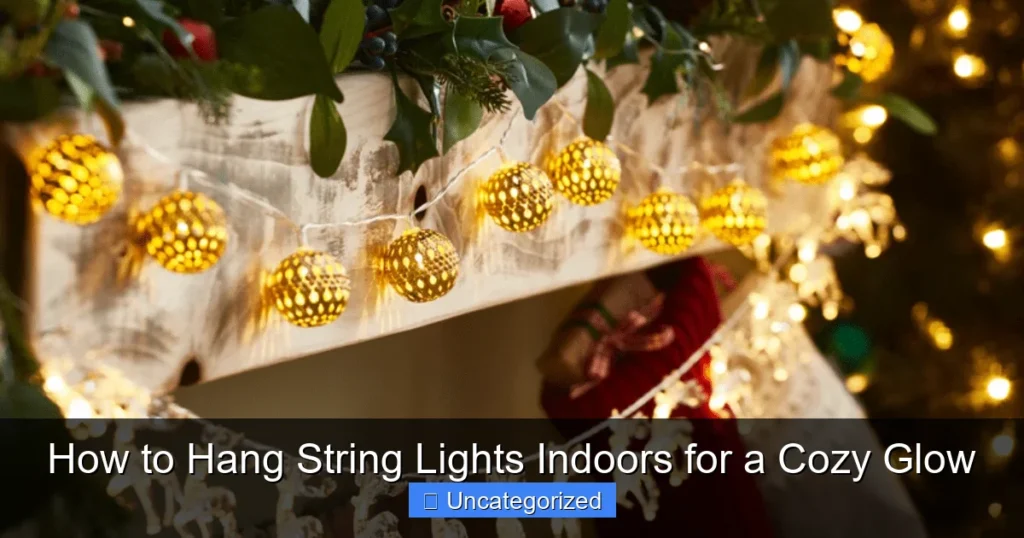
Hang string lights along headboards, mantels, or window frames to instantly transform indoor spaces into cozy retreats. For maximum ambiance, drape them across ceilings in parallel lines or weave them through shelves and stair railings to highlight architectural features. Avoid overcrowding—strategic placement enhances warmth without overwhelming the room.
Key Takeaways
- Above bed frames: Create a dreamy, soft glow for relaxation.
- Along bookshelves: Highlight decor with subtle, warm lighting.
- Behind sheer curtains: Diffuse light for a soft, ethereal effect.
- On ceiling beams: Add rustic charm with draped or wrapped lights.
- Under kitchen cabinets: Brighten countertops with functional, cozy lighting.
- Across windows: Frame views and enhance natural light aesthetics.
- On stair railings: Guide movement with safe, decorative illumination.
📑 Table of Contents
- The Magic of String Lights: Creating Cozy Indoor Ambiance
- 1. Bedroom Bliss: Elevating Your Sleep Sanctuary
- 2. Living Room Luminance: Setting the Perfect Mood
- 3. Dining Delight: Crafting the Perfect Mealtime Atmosphere
- 4. Kitchen Charm: Adding Warmth to Your Culinary Space
- 5. Entryway and Hallway Elegance: Welcoming Light from the Start
- 6. Creative and Unconventional Placements: Thinking Outside the Box
The Magic of String Lights: Creating Cozy Indoor Ambiance
Few lighting solutions can transform a space as effortlessly as string lights. With their soft, twinkling glow, these versatile fixtures have the power to turn any ordinary room into a warm, inviting haven. Whether you’re curling up with a good book, hosting a dinner party, or simply unwinding after a long day, the gentle illumination of string lights adds a touch of magic to your indoor environment. More than just decorative elements, they serve as mood enhancers, capable of evoking feelings of comfort, nostalgia, and serenity. From fairy lights delicately draped across a headboard to bold Edison bulbs framing a living room accent wall, string lights offer endless possibilities for personalizing your space.
The beauty of indoor string lights lies in their adaptability. Unlike permanent fixtures, they can be easily repositioned, allowing you to experiment with different placements and effects. This flexibility makes them ideal for renters, those who frequently redecorate, or anyone looking to refresh their space without major renovations. Moreover, advancements in technology have expanded the range of options available, from energy-efficient LEDs to smart lights that can be controlled via smartphone apps. Whether you prefer a minimalist approach or a maximalist display, there’s a string light setup to match your style and needs. In this guide, we’ll explore the best locations to hang string lights indoors, offering practical tips and creative ideas to help you create the perfect cozy ambiance in your home.
1. Bedroom Bliss: Elevating Your Sleep Sanctuary
Your bedroom should be a sanctuary—a place of rest and relaxation—and string lights can play a significant role in creating this atmosphere. When thoughtfully placed, they can enhance the room’s coziness without overwhelming it. Here are some of the most effective ways to incorporate string lights into your bedroom decor:
Above the Headboard: A Soft Glow for Reading and Relaxation
One of the most popular and practical placements for string lights in the bedroom is above the headboard. This location offers several advantages:
- Task lighting: Provides gentle illumination for reading in bed without the harshness of overhead lights.
- Focal point: Draws the eye and creates a visually appealing centerpiece for the room.
- Flexibility: Can be adjusted to accommodate different headboard styles, from upholstered to wooden.
To achieve this look, consider using adhesive hooks or removable picture hangers to secure the lights just above the headboard. For a more dramatic effect, drape the lights in gentle waves or loops, ensuring they don’t hang too low to avoid brushing against your head when sitting up.
Canopy or Bed Frame Accents: Creating a Dreamy Atmosphere
For a truly enchanting bedroom, consider wrapping string lights around a canopy, four-poster bed frame, or even the ceiling edges surrounding your bed. This technique creates a cocoon-like effect that promotes relaxation and a sense of security. Some ideas include:
- Weaving lights through a fabric canopy for a soft, diffused glow
- Attaching lights to the posts of a four-poster bed, either vertically or in spiral patterns
- Creating a “halo” effect by placing lights around the perimeter of the ceiling above the bed
When using this method, opt for warm white or soft colored lights to maintain a soothing ambiance. Battery-operated or low-voltage LED lights are ideal for safety and ease of installation.
Closet or Vanity Area: Functional Yet Decorative Lighting
Don’t overlook the potential of string lights in your bedroom’s functional spaces. Adding lights to your closet or vanity area serves both aesthetic and practical purposes:
- Closet illumination: String lights along the top edge of closet shelves can make it easier to find clothing items, especially in the early morning or late at night.
- Vanity ambiance: Drape lights around a mirror or frame to create a soft, flattering glow for makeup application or skincare routines.
- Closet organization: Use lights to highlight different sections of your closet, such as hanging rods for dresses or shelves for folded items.
For these applications, consider using clip-on lights or adhesive-mounted options that won’t damage surfaces. Choose a length that allows for even distribution without excess cordage that could create clutter.
2. Living Room Luminance: Setting the Perfect Mood
The living room is often the heart of the home—a space for relaxation, entertainment, and socializing. String lights can enhance this multifunctional area by creating distinct zones and adding depth to the room’s lighting scheme. Here’s how to make the most of string lights in your living space:
Accent Walls and Gallery Displays: Highlighting Your Decor
Transform an ordinary wall into a stunning focal point by incorporating string lights into your gallery wall or accent decor. This technique works particularly well in living rooms with minimalist or Scandinavian-inspired design. Consider these approaches:
- Weave lights through a collection of framed photos or artwork to create a dynamic display
- Use lights to outline a large mirror, adding depth and reflecting light throughout the room
- Create a “light wall” by affixing lights to a pegboard or grid panel, which can also hold small decorative items
For a cohesive look, choose frames or decorative elements that complement the style of your lights. Warm white or soft yellow LEDs work well for a cozy atmosphere, while colored lights can add a playful touch to a family room or entertainment area.
Ceiling and Corners: Expanding Visual Space
Strategic placement of string lights on the ceiling or in corners can make a small living room feel more spacious and inviting. This technique is particularly effective in rooms with high ceilings or those that lack natural light. Try these ideas:
- Run lights along the ceiling’s perimeter to create a soft, indirect glow
- Hang lights in a diagonal pattern from one corner to another to draw the eye and add visual interest
- Use lights to highlight architectural features like beams, alcoves, or tray ceilings
When installing ceiling lights, use appropriate hardware such as adhesive hooks, nails, or ceiling-mounted tracks. For a more dramatic effect, consider using curtain-style string lights that drape from the ceiling to the floor in one or more corners of the room.
Media Area and Entertainment Center: Enhancing Your Viewing Experience
String lights can significantly improve the ambiance of your media area, whether it’s a dedicated home theater or a simple TV setup. The right lighting can reduce screen glare and create a more immersive viewing experience. Consider these placements:
- Mount lights behind the TV to reduce eye strain and create a soft glow that frames the screen
- Use lights to outline shelves or cabinets surrounding your entertainment center
- Create a “light bar” above the TV or media console for a modern, sophisticated look
For TV backlighting, opt for lights with adjustable brightness or color temperature to match different viewing scenarios. Smart lights that sync with your TV or music can add an extra layer of immersion to your entertainment experience.
3. Dining Delight: Crafting the Perfect Mealtime Atmosphere
The dining area is where meals become memories, and the right lighting can make all the difference. String lights offer a unique way to create a warm, inviting atmosphere for everyday meals and special occasions alike. Here’s how to use them effectively in your dining space:
Overhead Lighting Alternatives: From Chandeliers to Canopies
String lights can serve as a charming alternative to traditional overhead lighting in your dining area. This approach creates a more intimate setting while still providing adequate illumination. Consider these options:
- Create a “light canopy” by suspending multiple strands of lights from the ceiling above your dining table
- Use lights to form a geometric pattern (like a hexagon or circle) centered over the table
- Install a track or wire system that allows you to adjust the height and density of the lights
For a cohesive look, choose lights that complement your dining table’s style—delicate fairy lights for a rustic farmhouse table or sleek Edison bulbs for a modern dining set. The height of the installation should allow for clear sightlines across the table while still providing sufficient illumination.
Table Centerpieces and Runner Accents: Functional Decor
Incorporating string lights into your table decor adds a magical touch to meals. This approach works particularly well for dinner parties, holiday gatherings, or romantic evenings. Try these ideas:
- Weave lights through a runner or centerpiece, combining them with greenery, candles, or other decorative elements
- Place battery-operated lights inside glass vases or lanterns for a soft, diffused glow
- Use lights to highlight different sections of a long table, creating distinct dining zones
When using lights on the table, ensure they’re securely positioned to prevent accidental knocking or spills. LED lights are ideal for table use as they generate minimal heat and are generally safer around food and drinks.
Buffet and Sideboard Displays: Elevating Your Serving Area
Don’t forget about the serving area when planning your dining room lighting. String lights can transform a simple buffet or sideboard into an attractive display space. Consider these placements:
- Outline the edges of a sideboard or buffet with lights to create a soft glow around serving dishes
- Hang lights above a bar cart or wine rack to highlight your beverage selection
- Use lights to frame a mirror or artwork above your serving area
For buffet lighting, choose a length that allows for even distribution without excess cordage. Battery-operated lights with timers can be particularly useful for this application, as they eliminate the need for nearby power outlets.
4. Kitchen Charm: Adding Warmth to Your Culinary Space
The kitchen is often the most functional room in the house, but that doesn’t mean it can’t be cozy and inviting. String lights can add warmth and personality to this hardworking space, creating a welcoming environment for cooking, dining, and socializing. Here’s how to use them effectively in your kitchen:
Island and Countertop Accents: Functional and Festive
Kitchen islands and countertops are prime locations for string lights, as they can enhance both the functionality and ambiance of these workspaces. Consider these placements:
- Install lights under the edge of the island to create a soft glow that illuminates the floor and provides subtle task lighting
- Use lights to outline the perimeter of the island, creating a distinct zone within the kitchen
- Hang lights above a breakfast bar or peninsula to create a cozy dining nook
When using lights near countertops, opt for waterproof or moisture-resistant options, especially if they’ll be near the sink or dishwasher. Adhesive-mounted or magnetic lights can be easily removed for cleaning or repositioning.
Open Shelving and Cabinet Displays: Showcasing Your Style
Open shelving is a popular kitchen feature that offers the perfect opportunity to incorporate string lights. This approach not only adds ambiance but also enhances visibility for your dishes and decor. Try these ideas:
- Place lights on the back panel of open shelves to create a soft glow that highlights your dishes
- Use lights to outline the edges of shelves, creating a “framed” effect for your display
- Install lights under upper cabinets to provide task lighting for countertops
For shelf lighting, consider using small LED strips or battery-operated fairy lights for a clean, minimalist look. Ensure the lights are positioned to minimize glare while still providing adequate illumination for the shelves’ contents.
Pantry and Storage Areas: Practical Illumination
String lights can serve a functional purpose in your kitchen’s storage areas, making it easier to find items in pantries, closets, or deep drawers. This is particularly useful for spaces that lack natural light or have limited electrical outlets. Consider these applications:
- Attach lights to the top edge of pantry shelves for easy visibility of stored goods
- Use motion-activated lights in deep drawers or cabinets for hands-free operation
- Install lights on the inside of pantry doors that automatically turn on when opened
For storage lighting, battery-operated or USB-rechargeable lights are ideal, as they eliminate the need for wiring. Choose lights with adjustable brightness to accommodate different storage needs and preferences.
5. Entryway and Hallway Elegance: Welcoming Light from the Start
The entryway sets the tone for your entire home, and string lights can create a warm, inviting first impression for both residents and guests. Hallways, often overlooked in lighting design, can also benefit from the soft glow of string lights. Here’s how to use them effectively in these transitional spaces:
Staircase Accents: Guiding Light and Safety
Staircases offer a unique opportunity to incorporate string lights, combining safety with aesthetic appeal. Properly placed lights can enhance visibility while adding a touch of elegance to your home’s entry. Consider these placements:
- Attach lights to the underside of handrails for subtle illumination that guides the way
- Use lights to outline the steps themselves, creating a “floating” effect
- Install lights in the risers or along the stringer (the diagonal support) for a more dramatic look
For staircase lighting, choose durable, weather-resistant lights if your stairs are near an exterior door. LED lights are ideal for this application as they generate minimal heat and have a long lifespan, reducing the need for frequent replacements.
Console Table and Mirror Displays: Creating Focal Points
Console tables and mirrors are common features in entryways and hallways, making them perfect canvases for string light displays. These placements can enhance both the functionality and aesthetics of your space. Try these ideas:
- Weave lights through a mirror’s frame or around its edges for a soft, flattering glow
- Use lights to highlight decorative items on a console table, such as vases, artwork, or plants
- Create a “light tree” by wrapping lights around a tall, narrow plant or decorative branch
When placing lights near mirrors, consider the reflection’s effect—lights that face the mirror will appear brighter and more prominent. Battery-operated lights with timers can be particularly useful for entryway displays, as they can automatically turn on at dusk and off at bedtime.
Ceiling and Wall Perimeter Lighting: Expanding Small Spaces
For narrow hallways or small entryways, string lights can create the illusion of more space while adding warmth to an often-overlooked area. This technique works particularly well in homes with limited natural light. Consider these approaches:
- Run lights along the ceiling’s perimeter to draw the eye upward and create a sense of height
- Use lights to outline architectural features like moldings, wainscoting, or door frames
- Install lights in a diagonal pattern from one corner to another to add visual interest
For perimeter lighting, adhesive-mounted lights or small hooks are ideal, as they minimize wall damage while providing secure placement. Choose warm white or soft yellow lights to maintain a cozy, welcoming atmosphere in these transitional spaces.
6. Creative and Unconventional Placements: Thinking Outside the Box
While traditional placements work beautifully, some of the most striking string light displays come from thinking creatively about your space. These unconventional placements can add whimsy, surprise, and personality to your home. Here are some innovative ideas to consider:
Indoor Plant Displays: Bringing Nature to Life
String lights and indoor plants make a natural pairing, enhancing the beauty of both elements. This combination creates a living, glowing display that can transform any room. Try these ideas:
- Weave lights through the branches of a tall indoor tree or plant
- Use lights to outline a wall-mounted planter or living wall
- Place battery-operated lights in a glass terrarium with small plants or moss
When combining lights with plants, ensure the lights don’t generate excessive heat that could harm foliage. LED lights are ideal for this application, as they produce minimal heat while still providing a bright, attractive glow.
Stairwell and Atrium Displays: Vertical Drama
For homes with multi-story entryways, stairwells, or atriums, string lights can create stunning vertical displays. These installations can serve as dramatic focal points that draw the eye upward. Consider these approaches:
- Hang lights in a cascading pattern from the top of the atrium to the ground floor
- Create a “light curtain” by installing multiple strands side by side
- Use lights to outline the edges of a spiral staircase for a dramatic, sculptural effect
For large vertical installations, consider using commercial-grade lights or connecting multiple strands to ensure even illumination. Professional installation may be recommended for very tall spaces or complex designs.
Furniture Accents: Unexpected Glow
Adding string lights to furniture pieces can transform ordinary items into extraordinary features. This technique works particularly well with vintage or upcycled furniture. Try these ideas:
- Install lights inside a glass-front cabinet or bookshelf to highlight its contents
- Use lights to outline the edges of a coffee table or side table for a modern, sculptural look
- Place lights inside a hollow bench or ottoman for a soft, diffused glow
When incorporating lights into furniture, ensure proper ventilation and consider using battery-operated or low-voltage options for safety. This approach works particularly well in living rooms, bedrooms, or home offices.
| Placement Area | Recommended Light Type | Installation Method | Best For |
|---|---|---|---|
| Bedroom Headboard | Fairy lights, warm white LEDs | Adhesive hooks, removable picture hangers | Reading, relaxation, soft ambient lighting |
| Living Room Accent Wall | Edison bulbs, colored LEDs | Picture rails, adhesive clips, nails | Highlighting artwork, creating focal points |
| Dining Table Canopy | String lights, globe lights | Ceiling-mounted hooks, tension rods | Intimate dining, entertaining |
| Kitchen Island | Waterproof LEDs, rope lights | Under-cabinet clips, adhesive strips | Task lighting, ambiance |
| Entryway Staircase | LED strip lights, rope lights | Handrail clips, adhesive mounts | Safety lighting, visual interest |
| Indoor Plants | Fairy lights, battery-operated LEDs | Woven through branches, placed in pots | Decorative accent, plant highlighting |
String lights offer an incredible opportunity to transform your indoor spaces, creating cozy ambiance and personal style throughout your home. From the intimate glow above your bed to the welcoming light in your entryway, the possibilities are virtually endless. The key to successful implementation lies in thoughtful placement, appropriate selection of light types, and consideration of both aesthetic and functional needs.
As we’ve explored, each area of your home presents unique opportunities for string light displays. In the bedroom, they create a sanctuary for rest; in the living room, they enhance social spaces; in the dining area, they elevate mealtime experiences; in the kitchen, they add warmth to a functional space; and in entryways and hallways, they provide a welcoming first impression. Don’t be afraid to think creatively—some of the most memorable light displays come from unconventional placements like indoor plants, stairwells, or furniture accents.
Remember that the best string light installations are those that complement your existing decor and lifestyle. Consider the color temperature of your lights (warm white for cozy spaces, cool white for more modern looks), the durability needed for high-traffic areas, and the power source that works best for each location (battery-operated for flexibility, plug-in for permanent installations). With careful planning and a bit of creativity, string lights can transform your home into a warm, inviting space that’s perfect for both everyday living and special occasions.
As you embark on your string light journey, don’t hesitate to experiment and adjust. The beauty of these lights is their versatility—what works in one season may inspire a new look in another. With the tips and ideas shared here, you’re well-equipped to create the cozy, inviting ambiance you’ve always wanted in your home. Let your creativity shine, and enjoy the magical atmosphere that only string lights can provide.
Frequently Asked Questions
Where should I hang string lights indoors for maximum cozy ambiance?
Hang string lights along headboards, mantels, or windows to create a warm, inviting glow. Layering them with sheer curtains or draping them across a canopy bed enhances the cozy factor.
Can I hang string lights indoors without damaging my walls?
Yes! Use removable adhesive hooks, tension rods, or clip-on brackets to hang string lights indoors without nails or screws. These methods work well on drywall, tile, and wood.
What are creative places to hang string lights in a small space?
Drape string lights under floating shelves, along stair railings, or around a mirror to add depth and sparkle. In studios, try outlining a room’s architectural features like beams or door frames.
Where to hang string lights indoors for a bohemian vibe?
Weave string lights through macramé wall hangings, potted plants, or a tapestry for a boho look. Cluster them in corners or around a rattan furniture piece for organic texture.
How do I hang string lights near a window without cords showing?
Use clear adhesive clips to secure lights along the window frame or ceiling, keeping cords hidden. For a seamless look, choose battery-powered string lights with thin, transparent wires.
Are there safety tips for hanging string lights indoors long-term?
Ensure lights are rated for indoor use and avoid overloading circuits. Check periodically for frayed wires, and keep bulbs away from flammable materials like curtains or bedding.