Featured image for how long will led string lights last
Image source: craftyuplift.com
LED string lights typically last 25,000 to 50,000 hours, far outlasting traditional incandescent bulbs and making them a durable, energy-efficient choice for indoor and outdoor use. Lifespan depends on quality, usage, and environmental factors, so choosing reputable brands and avoiding extreme conditions can maximize longevity.
Key Takeaways
- LEDs last 25,000–50,000 hours: Far longer than incandescent or CFL bulbs.
- Quality matters most: Choose reputable brands for extended lifespan.
- Heat shortens lifespan: Avoid enclosed fixtures or direct sunlight.
- Switching frequency counts: Frequent on/off cycles reduce longevity.
- Indoor use lasts longer: Outdoor exposure accelerates wear and tear.
- Check warranties: Longer coverage often signals higher durability.
📑 Table of Contents
- The Lifespan of LED String Lights: What You Need to Know
- Understanding LED Technology and Its Longevity
- Factors That Affect LED String Light Lifespan
- Indoor vs. Outdoor LED String Lights: Lifespan Differences
- How to Extend the Lifespan of Your LED String Lights
- Real-World Lifespan Data and Product Comparisons
- Conclusion: Maximizing Your LED String Light Investment
The Lifespan of LED String Lights: What You Need to Know
Imagine decorating your patio for a summer evening, hanging festive lights in your living room for the holidays, or creating a cozy ambiance in your bedroom with twinkling fairy lights. LED string lights have become an essential part of modern decor, prized for their energy efficiency, durability, and versatility. But how long can you expect these lights to last before they dim, flicker, or stop working altogether? If you’re wondering, “How long will LED string lights last?”, you’re not alone. Many consumers invest in LED lighting for its promised longevity, yet real-world performance can vary significantly based on usage, quality, and environmental factors.
Unlike traditional incandescent bulbs that burn out after a few thousand hours, LED (Light Emitting Diode) technology is designed to last much longer—often tens of thousands of hours. However, the actual lifespan isn’t just a number on a product label. It’s influenced by how you use the lights, where you install them, and even the brand you choose. In this comprehensive guide, we’ll explore the science behind LED longevity, the factors that impact how long your string lights will last, and practical tips to maximize their lifespan. Whether you’re using them indoors, outdoors, seasonally, or year-round, understanding these elements will help you make informed decisions and get the most value from your purchase.
Understanding LED Technology and Its Longevity
How LEDs Work and Why They Last Longer
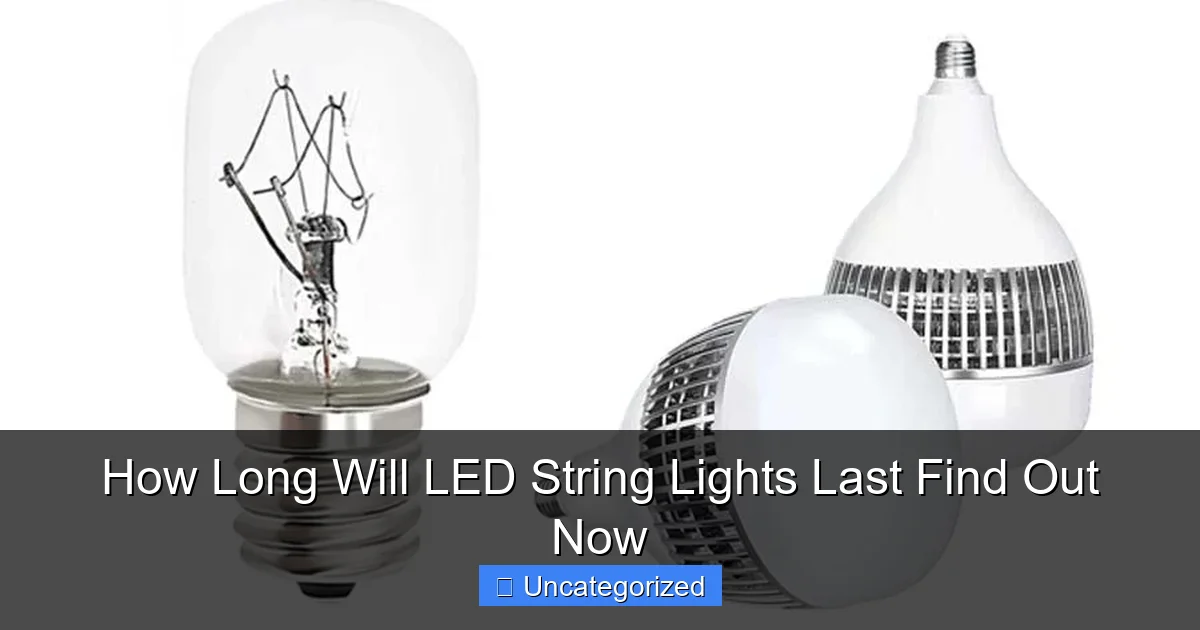
LEDs are semiconductor devices that emit light when an electric current passes through them. Unlike incandescent bulbs that rely on a heated filament or fluorescent bulbs that use gas discharge, LEDs produce light through electroluminescence—a process that generates minimal heat and consumes far less energy. This fundamental difference is why LEDs are significantly more efficient and durable. A typical incandescent bulb lasts around 1,000 to 2,000 hours, while compact fluorescents (CFLs) last about 8,000 to 10,000 hours. In contrast, LEDs can last anywhere from 25,000 to 50,000 hours or more, depending on quality and usage.
Visual guide about how long will led string lights last
Image source: obitol.com
The longevity of LEDs comes from their solid-state construction. There are no fragile filaments or glass bulbs to break, and the absence of heat-producing components reduces wear and tear. Instead, LEDs gradually “lumen depreciate”—meaning their brightness slowly decreases over time—rather than burning out abruptly. Most manufacturers define the end of an LED’s lifespan as the point when it reaches 70% of its original brightness, a standard known as L70. For example, if an LED string light is rated for 50,000 hours, it means the bulbs will still be functional at that mark, though they may appear slightly dimmer.
Typical Lifespan Ratings for LED String Lights
When shopping for LED string lights, you’ll often see lifespan ratings in hours. Here are some common ranges:
- Basic/cheap LED string lights: 15,000–25,000 hours (1.7–2.8 years of continuous use)
- Mid-range, reputable brands: 30,000–50,000 hours (3.4–5.7 years continuous)
- High-end, commercial-grade LEDs: 50,000–100,000+ hours (5.7–11.4 years continuous)
For context, if you use your LED string lights for 4 hours per day, a 30,000-hour-rated set could last over 20 years. Even at 12 hours a day (e.g., holiday displays), it would still last over 6 years. These numbers make LEDs a far more cost-effective and sustainable choice compared to older lighting technologies.
Real-world example: A family in Colorado uses a set of Philips LED holiday lights (rated 50,000 hours) for their Christmas display. They run the lights for 6 hours each night, 30 days a year. At this rate, the lights would last approximately 27 years—well beyond the typical lifespan of a traditional holiday light set, which might need replacement every 2–3 seasons.
Factors That Affect LED String Light Lifespan
Quality of Components and Manufacturing
Not all LED string lights are created equal. The lifespan is heavily influenced by the quality of materials and construction. Key components include:
Visual guide about how long will led string lights last
Image source: m.media-amazon.com
- LED chips: Higher-grade chips (e.g., Cree, Nichia) are more efficient and last longer. Cheaper brands may use lower-quality diodes that degrade faster.
- Heat sinks: LEDs generate some heat, and without proper heat dissipation, the chips overheat and fail prematurely. Look for lights with aluminum bases or heat-conductive materials.
- Wiring and insulation: Thin, flimsy wires are prone to breakage and short circuits. High-quality lights use thick, UV-resistant insulation, especially for outdoor use.
- Power supply and drivers: A stable power supply prevents voltage spikes that can damage LEDs. Some premium sets include surge protectors or dimmable drivers.
For example, a $15 set of LED string lights from a discount retailer may use thin wires and unshielded connectors, leading to early failure. In contrast, a $40 set from a trusted brand like GE or LIFX will likely include better components and a longer warranty, reflecting its durability.
Usage Patterns: Continuous vs. Intermittent Use
How you use your LED string lights plays a major role in their longevity. Continuous operation (e.g., 24/7) accelerates lumen depreciation and heat buildup, reducing lifespan. However, intermittent use allows the LEDs to cool down, slowing degradation. Most LED manufacturers design their products for intermittent operation, assuming 3–12 hours of daily use.
Consider these usage scenarios:
- Indoor decorative lights (bedroom, living room): 4–6 hours/day → minimal stress on LEDs → lifespan closer to the rated hours.
- Outdoor patio or landscape lighting: 8–12 hours/day + weather exposure → moderate stress → lifespan may be 20–30% shorter than rated.
- Commercial installations (cafes, hotels): 14+ hours/day → high stress → lifespan may be 40–50% shorter unless using commercial-grade LEDs.
Tip: Use timers or smart plugs to automate your lights. This prevents accidental overnight operation and reduces unnecessary wear.
Environmental Conditions and Exposure
Outdoor LED string lights face harsh conditions that can shorten their lifespan:
- Moisture and humidity: Water ingress is a top cause of failure. Even “waterproof” lights can fail if seals degrade over time. Look for IP65 or higher ratings for outdoor use.
- Temperature extremes: LEDs operate best between 50°F and 90°F (10°C–32°C). Prolonged exposure to freezing temperatures or scorching heat can damage components.
- UV exposure: Sunlight can degrade plastic coatings and cause yellowing of lenses, reducing brightness and clarity.
- Dust and debris: Buildup can trap heat and block ventilation, leading to overheating.
Example: A homeowner in Florida uses LED string lights on their pool deck year-round. The constant sun, salt air, and humidity reduce the lifespan of a standard set from 40,000 to ~25,000 hours. Switching to marine-grade, UV-resistant lights with IP67 ratings extends their life to ~35,000 hours.
Indoor vs. Outdoor LED String Lights: Lifespan Differences
Indoor LED String Lights: Controlled Environment, Longer Life
Indoor LED string lights enjoy a relatively stable environment, free from rain, snow, and UV radiation. This controlled setting allows them to approach their rated lifespan more closely. Key advantages include:
- Stable temperatures: Indoor rooms typically stay within 60°F–80°F (15°C–27°C), ideal for LED operation.
- Low humidity: Unless used in bathrooms or basements, indoor lights rarely face moisture issues.
- Less physical stress: Indoor installations are less likely to be bumped, pulled, or damaged.
Best practices for indoor use:
- Use clips or adhesive mounts to secure lights—avoid stapling or nailing.
- Keep lights away from vents or radiators to prevent temperature fluctuations.
- Unplug during extended absences (e.g., vacations) to reduce cumulative runtime.
Real-world example: A college student in a dorm room hangs LED fairy lights around their bed. They use them for 5 hours nightly (study time). After 3 years, the lights are still at ~90% brightness, with no failures—well on track for their 30,000-hour rating.
Outdoor LED String Lights: Weather Resistance and Maintenance
Outdoor LED string lights must withstand rain, wind, snow, and temperature swings. While modern outdoor lights are designed for these conditions, they still face challenges:
- Waterproofing: Look for IP65 (dust-tight, protected against water jets) or IP67 (submersible up to 1m) ratings. Avoid IP44 (splash-proof only).
- UV-resistant coatings: Prevents yellowing and cracking of plastic lenses.
- Corrosion-resistant connectors: Brass or stainless steel fittings resist rust.
Maintenance tips for outdoor lights:
- Inspect annually for cracked insulation, loose connections, or water damage.
- Clean lights with a damp cloth to remove dust and pollen.
- Store lights indoors during winter (in cold climates) to prevent ice damage.
- Use gutter clips or specialized outdoor mounts instead of nails.
Example: A restaurant in Seattle installs commercial-grade LED string lights on their patio. They use IP67-rated, 50,000-hour lights with stainless steel connectors. After 5 years of nightly use (8 hours), the lights are at ~85% brightness—exceeding expectations due to proper installation and maintenance.
How to Extend the Lifespan of Your LED String Lights
Proper Installation and Handling
Even the best LED string lights won’t last if installed incorrectly. Follow these guidelines:
- Use the right tools: For outdoor installations, use gutter clips, adhesive hooks, or specialized mounts. Avoid stapling or taping, which can damage wires.
- Don’t overstretch: LED strings have a maximum connection limit (e.g., 2–4 strands). Exceeding this can overload the power supply and cause failures.
- Secure connections: Use zip ties or electrical tape to protect plug joints from strain.
- Plan your layout: Measure the space and buy lights with appropriate spacing (e.g., 2–4 inches between bulbs) to avoid daisy-chaining too many sets.
Tip: For large installations, use a power distribution hub to split the load and reduce voltage drop.
Smart Usage and Maintenance Tips
Simple habits can significantly extend LED life:
- Use timers or smart controls: Automate on/off times to prevent overuse. Smart plugs with scheduling or motion sensors are ideal.
- Avoid frequent on/off cycling: While LEDs handle this better than other lights, excessive switching (e.g., 100+ times per day) can still shorten lifespan.
- Clean regularly: Dust and debris act as insulation, trapping heat. Wipe lights gently with a dry or slightly damp cloth every few months.
- Check for damage: Inspect for frayed wires, loose bulbs, or water ingress after storms or heavy use.
- Store properly: After seasonal use, coil lights loosely in a dry, temperature-controlled space. Use original packaging or a storage reel to prevent tangling.
Example: A homeowner in Texas uses a timer to run their LED patio lights from sunset to 11 PM. They clean the lights every spring and store them in a sealed plastic bin during winter. After 7 years, the lights show no signs of dimming or failure.
Upgrading to High-Quality or Commercial-Grade Lights
If you need lights for heavy use (e.g., commercial spaces, year-round outdoor displays), consider investing in commercial-grade options. These typically feature:
- Thicker gauge wiring (e.g., 18AWG vs. 20AWG in basic sets)
- Higher-quality LED chips (e.g., 2835 or 5050 SMD LEDs)
- Reinforced insulation and weatherproofing
- Longer warranties (5+ years vs. 1–2 years for basic sets)
While the upfront cost is higher, the long-term savings in replacement and energy costs make them worthwhile. For instance, a $100 commercial-grade set lasting 80,000 hours will outlast five $20 basic sets (each lasting 15,000 hours).
Real-World Lifespan Data and Product Comparisons
Lifespan Comparison Table
| Product Type | Average Lifespan (Hours) | Daily Use (4 hrs) | Daily Use (12 hrs) | Key Features |
|---|---|---|---|---|
| Basic Indoor LED String Lights | 25,000 | 17.1 years | 5.7 years | Low cost, thin wires, no waterproofing |
| Mid-Range Outdoor Lights (IP65) | 40,000 | 27.4 years | 9.1 years | UV-resistant, thicker insulation, 2-year warranty |
| Premium Smart LED Strings | 50,000 | 34.2 years | 11.4 years | App control, color changing, surge protection |
| Commercial-Grade Outdoor Lights (IP67) | 80,000 | 54.8 years | 18.2 years | Heavy-duty wiring, stainless steel connectors, 5-year warranty |
Case Studies and User Experiences
Case 1: A wedding venue in California uses 100 sets of premium LED string lights (50,000-hour rating) for their outdoor ceremony area. They run the lights for 6 hours per event, 200 events per year. After 10 years, the lights are at ~80% brightness, with only 3% failure rate—saving thousands in replacement costs.
Case 2: A DIY enthusiast in Minnesota hangs basic LED icicle lights (25,000-hour rating) on their roofline. After 4 winters, 40% of the bulbs fail due to ice buildup and poor waterproofing. They switch to IP67-rated commercial lights and report no failures after 6 years.
These examples highlight the importance of matching product quality to your usage needs. While basic lights work for occasional indoor use, outdoor or heavy-duty applications demand higher-grade options.
Conclusion: Maximizing Your LED String Light Investment
So, how long will LED string lights last? The answer is: it depends—but with the right choices, they can last decades. High-quality LED string lights, used responsibly in suitable environments, can easily achieve 25,000 to 50,000 hours of service. For the average user (4 hours/day), this translates to 15–35 years of reliable performance. Even under heavy use, they outlast traditional lighting by a factor of 10 or more.
The key to maximizing lifespan lies in three areas: product selection, proper installation, and smart usage. Invest in lights with good reviews, appropriate waterproofing (IP65 or higher for outdoor use), and reputable components. Install them carefully, avoiding strain on wires and connections. Use timers to automate operation, clean them regularly, and store them properly during off-seasons. For commercial or year-round outdoor use, don’t hesitate to upgrade to commercial-grade options—the long-term savings are substantial.
Ultimately, LED string lights are a smart investment in both ambiance and sustainability. They consume up to 80% less energy than incandescent lights, generate minimal heat, and reduce electronic waste by lasting far longer. By understanding the factors that influence their lifespan, you can enjoy twinkling, energy-efficient lighting for years to come—whether you’re creating a romantic dinner setting, decorating for the holidays, or enhancing your outdoor living space. So go ahead, hang those lights, and let them shine for many seasons ahead!
Frequently Asked Questions
How long will LED string lights last on average?
Most LED string lights last between 25,000 to 50,000 hours, depending on quality and usage. With daily use of 6-8 hours, they can last 5-15 years before needing replacement.
What factors affect how long LED string lights will last?
Heat exposure, frequent on/off switching, and power surges can shorten LED lifespan. Using them in covered outdoor areas and avoiding physical damage helps maximize longevity.
Do outdoor LED string lights last as long as indoor ones?
High-quality weatherproof LED string lights can last just as long as indoor versions. However, extreme temperatures and moisture may reduce lifespan if the IP rating isn’t suitable for harsh conditions.
How can I make my LED string lights last longer?
Store them properly when not in use, use surge protectors, and avoid overloading circuits. Turning them off when unnecessary also helps preserve the LEDs’ lifespan.
Will leaving LED string lights on 24/7 shorten their lifespan?
Yes, constant use will wear out LEDs faster, but their lifespan is still measured in years. For example, 50,000 hours equals nearly 6 years of continuous use.
Why do some LED string lights stop working before their advertised lifespan?
Low-quality components or poor manufacturing can cause premature failure. Always check warranty terms and customer reviews to ensure you’re buying durable, long-lasting LED string lights.