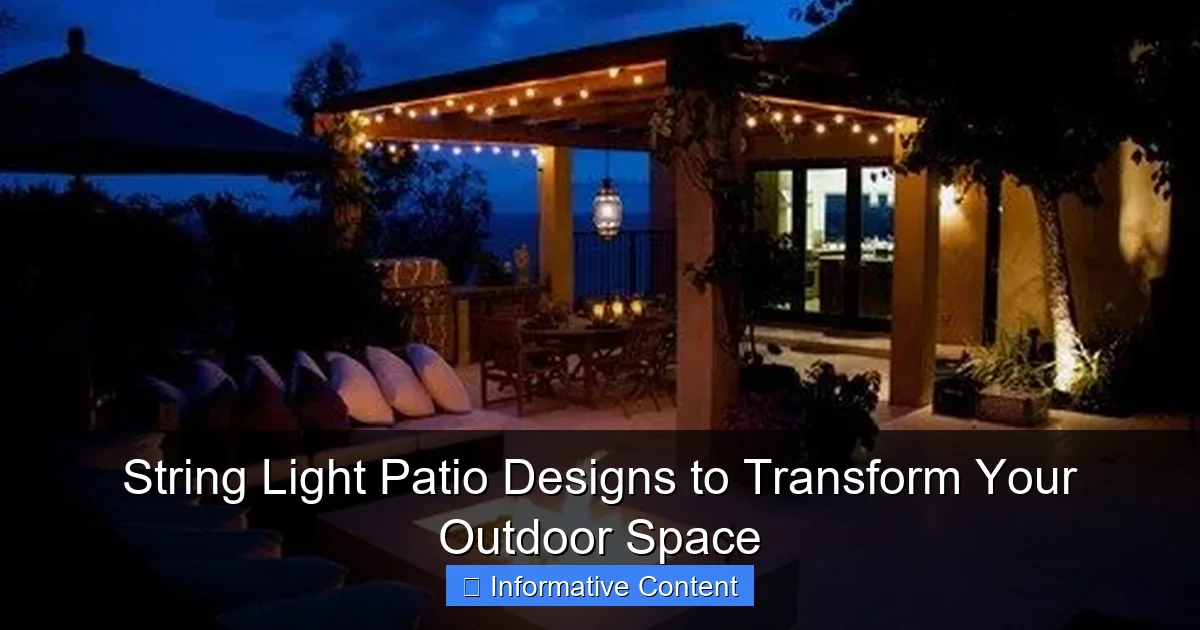
Featured image for string light patio designs
Image source: nextluxury.com
String light patio designs instantly elevate any outdoor space, blending ambiance with functionality for unforgettable evenings. From cozy bistro-style wraps to dramatic overhead canopies, these versatile lighting solutions adapt to patios of all sizes and styles. Perfect for entertaining or relaxing, string lights create a warm, inviting glow that transforms ordinary nights into magical experiences.
Key Takeaways
- Plan your layout first: Sketch light placement to avoid over- or under-lighting key areas.
- Choose weatherproof lights: Ensure durability with UL-listed, outdoor-rated string lights.
- Mix hanging styles: Combine zigzag, canopy, and swag patterns for visual depth.
- Use dimmers or timers: Control ambiance and save energy with smart lighting features.
- Anchor lights securely: Install hooks, poles, or cables to prevent sagging or damage.
- Layer with other lighting: Pair string lights with lanterns or spotlights for balanced illumination.
📑 Table of Contents
- The Magic of String Light Patio Designs
- Choosing the Right String Lights for Your Patio
- Creative String Light Layouts for Every Patio Style
- Smart and Sustainable Lighting Upgrades
- DIY vs. Professional Installation: What’s Best for You?
- Maintaining Your String Light Patio Year-Round
- Data Table: String Light Comparison Guide
- Final Thoughts: Light Up Your Life
The Magic of String Light Patio Designs
Imagine stepping outside after sunset to a space that feels warm, inviting, and almost magical. That’s the power of string light patio designs. Whether you’re sipping coffee on a quiet morning or hosting friends for a summer barbecue, the right lighting can transform your outdoor area into a personal oasis. String lights aren’t just for holidays—they’re a year-round design element that adds charm, functionality, and a touch of whimsy to any patio.
I remember the first time I strung up lights on my small backyard deck. It was a simple setup—a few strands draped between two trees—but the effect was instant. The space went from “meh” to “wow” in under an hour. That’s when I realized how much impact lighting can have, especially when it’s done thoughtfully. In this guide, we’ll explore how to use string lights to create stunning, functional, and personalized outdoor spaces, no matter the size or style of your patio.
Choosing the Right String Lights for Your Patio
Before you start draping lights across your patio, it’s important to pick the right type. Not all string lights are created equal, and the wrong choice can lead to dim illumination, short lifespans, or even safety hazards. Here’s how to make an informed decision.
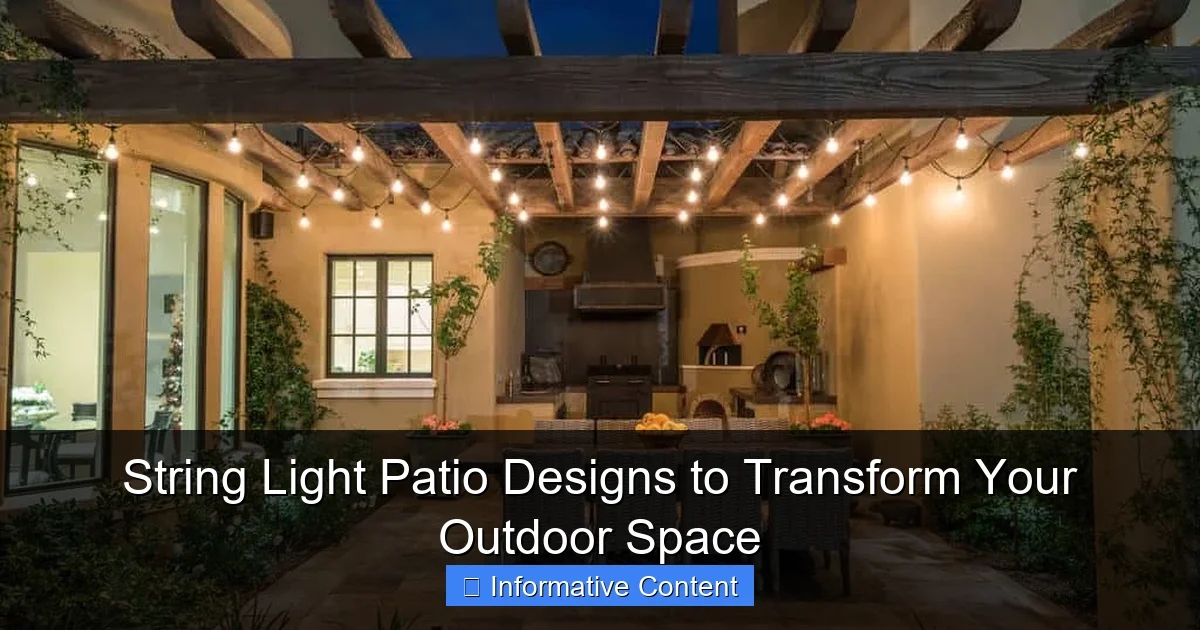
Visual guide about string light patio designs
Image source: homeawakening.com
Types of String Lights: LED vs. Incandescent
The first major decision is between LED and incandescent bulbs. Let’s break down the pros and cons:
- LED string lights: Energy-efficient, long-lasting (up to 25,000 hours), cool to the touch, and available in various colors and brightness levels. They’re ideal for year-round use and work well with smart controls. The only downside? They can be pricier upfront, but the savings on electricity and replacement bulbs make up for it over time.
- Incandescent string lights: Offer a warm, vintage glow that many people love. They’re cheaper to buy initially and give off a soft, nostalgic light. However, they consume more energy, get hot, and burn out faster (around 2,000 hours). Great for occasional use, but not ideal for permanent installations.
Tip: If you’re going for a cozy, romantic vibe, go with warm white LEDs. For a festive or colorful look, choose RGB (color-changing) LEDs with a remote control.
Bulb Shapes and Styles
The shape of the bulb affects the mood and functionality of your patio. Here are some popular options:
- Edison bulbs: Vintage-style with exposed filaments. Perfect for rustic or industrial patios. They cast a warm, golden glow but are less bright than other types.
- Globe bulbs: Round and evenly diffused. Great for even lighting and a modern look. Available in clear, frosted, or colored finishes.
- Mini lights: Tiny bulbs on thin wire. Ideal for wrapping around railings, trees, or pergolas. They provide subtle sparkle without overpowering the space.
- Fairy lights: Ultra-thin wires with micro LEDs. Best for delicate, whimsical designs—like wrapping around plants or outlining a gazebo.
Pro tip: Mix and match! For example, use Edison bulbs for ambient lighting and mini lights to highlight architectural features.
Weather Resistance and Power Source
Since your patio is outdoors, durability matters. Look for lights rated IP44 or higher for water resistance. This ensures they can handle rain, snow, and humidity without shorting out.
Also, consider the power source:
- Plug-in lights: Reliable and bright, but require access to an outdoor outlet. Use weatherproof extension cords and GFCI outlets for safety.
- Solar-powered lights: Eco-friendly and easy to install—no wires! But they may not be as bright, especially on cloudy days or in shaded areas.
- Battery-operated lights: Portable and flexible, but batteries need frequent replacing. Best for temporary setups or hard-to-reach spots.
Example: A friend of mine installed solar lights along her patio path. They worked great in summer but barely lit up in winter due to shorter days. She now uses a hybrid approach: solar for ambient lighting and plug-in for key areas.
Creative String Light Layouts for Every Patio Style
Now that you’ve picked your lights, it’s time to get creative with placement. The layout you choose can define the mood, highlight features, and even make a small patio feel larger. Here are some tried-and-true designs.
Classic Canopy (Draped Overhead)
This is the most popular string light patio design—and for good reason. Draping lights overhead creates a “ceiling” effect, making the space feel cozy and enclosed.
- How to do it: Attach lights to trees, posts, or a pergola in a crisscross or zigzag pattern. Use zip ties, hooks, or clips to secure them.
- Pro tip: Space the strands 12–18 inches apart for even lighting. For a dramatic look, layer multiple rows.
- Best for: Medium to large patios with overhead structures.
Real-world example: A couple in Austin transformed their rooftop patio by draping Edison bulbs between two pergolas. The result? A romantic, bistro-style space perfect for evening drinks.
Wall and Fence Accents
If your patio lacks overhead structures, don’t worry—string lights can still shine. Use walls, fences, or railings as backdrops.
- How to do it: Wrap lights around fence posts, outline the perimeter, or create a “wall of light” by mounting them vertically.
- Pro tip: Use adhesive clips or removable hooks to avoid damaging surfaces. For vertical designs, space bulbs 6–8 inches apart to avoid a “dripping” effect.
- Best for: Small patios, urban spaces, or rentals where drilling isn’t allowed.
Example: A tiny balcony in New York was turned into a cozy retreat by wrapping mini lights around the railing and up the side of a brick wall. The vertical design made the space feel taller.
Hanging or Suspended Designs
For a whimsical or modern look, suspend lights in mid-air using cables, ropes, or even fishing line.
- How to do it: Install two anchor points (e.g., poles, trees) and run a wire between them. Hang lights from the wire using S-hooks or clips.
- Pro tip: Use a tension wire kit to keep the line taut. For a floating effect, use clear fishing line with fairy lights.
- Best for: Open patios, gardens, or spaces without natural supports.
Note: This design works best with lightweight lights (like mini or fairy lights). Heavy Edison bulbs may sag over time.
Path and Stair Lighting
String lights aren’t just for ambiance—they can be functional, too. Use them to light up pathways, stairs, or seating areas.
- How to do it: Run lights along the edge of a path, wrap them around handrails, or place them in ground stakes.
- Pro tip: Use warm white or amber lights for a soft glow that won’t disrupt your night vision.
- Best for: Sloped patios, outdoor kitchens, or areas with high foot traffic.
Example: A family in Colorado used solar-powered mini lights to outline their stone pathway. The result? A safe, magical walkway that looked like it was straight out of a fairy tale.
Smart and Sustainable Lighting Upgrades
Want to take your string light patio design to the next level? Smart technology and sustainable choices can enhance both functionality and eco-friendliness.
Smart Controls and Automation
Smart string lights let you control brightness, color, and timing from your phone or voice assistant (like Alexa or Google Home).
- Benefits: Set schedules (e.g., turn on at dusk), adjust brightness for different moods, and sync with music or movies.
- Popular options: Philips Hue, Twinkly, and LIFX offer app-controlled lights with color-changing and scene-setting features.
- Tip: Start with a single strand to test the system, then expand to your entire patio.
Real-world use: A tech-savvy homeowner in Seattle programmed his patio lights to turn on at sunset, dim at 10 PM, and turn off at midnight. He also set a “party mode” with color-changing lights for gatherings.
Solar and Energy-Efficient Options
If you’re eco-conscious, solar-powered lights are a great choice. Modern solar lights are brighter and more reliable than ever.
- How they work: A small solar panel charges a battery during the day, which powers the lights at night.
- Best for: Sunny patios or areas with indirect sunlight. Look for models with adjustable panels for optimal charging.
- Bonus: Pair solar lights with a small battery backup for cloudy days.
Example: A couple in Arizona used solar-powered globe lights to outline their desert patio. The lights charged fully in just 4 hours of sunlight and lasted 8+ hours.
Low-Maintenance Materials
To keep your lights looking great year after year, choose durable materials.
- Cable material: Opt for UV-resistant rubber or silicone (not plastic) to prevent cracking in sunlight.
- Bulb housing: Glass or shatterproof plastic resists weather better than thin plastic.
- Connections: Look for sealed, waterproof connectors to avoid corrosion.
Tip: Store lights indoors during extreme weather (hurricanes, heavy snow) to extend their lifespan.
DIY vs. Professional Installation: What’s Best for You?
Should you DIY your string light patio or hire a pro? The answer depends on your skills, budget, and the complexity of the design.
DIY: Pros and Cons
- Pros:
- Lower cost (you only pay for materials)
- Full creative control
- Quick setup for simple designs (e.g., draped overhead or wrapped around a railing)
- Cons:
- Time-consuming for large or complex layouts
- Risk of uneven lighting or sagging wires
- Potential safety hazards (e.g., improper electrical connections)
Best for: Small to medium patios, simple designs, and budget-conscious homeowners.
Professional Installation: When to Call the Experts
For large-scale or permanent installations, hiring a pro can save time and headaches.
- When to hire:
- You’re installing lights on a high or hard-to-reach roof
- The design requires electrical work (e.g., hardwired lights)
- You want a custom layout (e.g., integrated with landscaping or water features)
- What to expect: Pros use commercial-grade lights, proper mounting hardware, and weatherproofing techniques. They’ll also handle permits if needed (e.g., for overhead cables).
- Cost: $200–$1,000+ depending on complexity. Get quotes from at least three contractors.
Example: A family in Florida hired a landscaper to install a canopy of lights over their poolside patio. The pro used stainless steel cables, marine-grade bulbs, and a weatherproof junction box. The result? A stunning, durable setup that’s survived two hurricanes.
Hybrid Approach: Best of Both Worlds
You don’t have to go all-in on DIY or pro. Many people start with a simple DIY setup and upgrade later.
- How it works: Install basic lights yourself, then hire a pro for complex parts (e.g., wiring, structural supports).
- Example: A homeowner in Oregon draped lights between two trees herself but hired an electrician to install a weatherproof outlet for a permanent connection.
Maintaining Your String Light Patio Year-Round
Good news: maintaining your lights is easier than you think. A few simple steps will keep them looking great and working safely.
Seasonal Care Tips
- Spring: Check for damage from winter weather. Replace burnt-out bulbs and tighten loose connections.
- Summer: Clean bulbs with a damp cloth to remove dust and pollen. Trim overgrown plants that might block lights.
- Fall: Remove leaves and debris from light strands. Check solar panels for dirt or shade.
- Winter: In cold climates, bring lights indoors or cover them with a tarp during heavy snow. Avoid using lights during ice storms (risk of shorting).
Troubleshooting Common Issues
- Flickering lights: Check for loose bulbs, damaged wires, or overloaded circuits.
- Dim lighting: Replace old batteries (for solar lights) or clean solar panels. For plug-in lights, check the extension cord length (long cords reduce voltage).
- Sagging wires: Add support hooks or tighten cables. Use a tension wire for heavy lights.
Storage Solutions
If you remove lights seasonally, store them properly:
- Wind them around a piece of cardboard or a light reel to prevent tangles.
- Keep in a dry, temperature-controlled space (e.g., basement or closet).
- Label each strand with its length and bulb type for easy reinstallation.
Data Table: String Light Comparison Guide
| Light Type | Lifespan | Energy Use | Best For | Cost (per 25ft strand) |
|---|---|---|---|---|
| LED Edison | 25,000 hours | Low | Rustic patios, year-round use | $25–$50 |
| LED Globe | 20,000 hours | Low | Modern patios, even lighting | $20–$40 |
| Incandescent Edison | 2,000 hours | High | Temporary setups, vintage look | $10–$20 |
| Solar Fairy | 10,000 hours | Zero | Eco-friendly patios, small spaces | $15–$30 |
| Smart RGB | 15,000 hours | Low | Tech-savvy users, color-changing | $50–$100 |
Final Thoughts: Light Up Your Life
Your patio is more than just an outdoor area—it’s an extension of your home, a place for relaxation, connection, and joy. And with the right string light patio design, you can make it shine. Whether you go for a simple draped canopy or a high-tech smart setup, the key is to choose lights that reflect your style and meet your needs.
Remember, it’s not about perfection. It’s about creating a space that feels like you. Maybe that’s a cozy corner with warm Edison bulbs, a vibrant party zone with color-changing LEDs, or a serene garden path lit by solar lights. The possibilities are endless—and the results? Absolutely magical.
So grab your lights, get creative, and let your patio glow. After all, the best moments happen when the sun goes down and the lights come on.
Frequently Asked Questions
What are the best string light patio designs for small spaces?
For compact patios, opt for geometric patterns like zigzags or overhead grids using LED string lights. These designs maximize vertical space while creating a cozy ambiance without cluttering the area.
How do I install string lights on a patio without drilling holes?
Use tension rods, adhesive hooks, or wrap lights around existing structures like railings or pergolas. Solar-powered string lights are a great option for renters or those avoiding permanent installations.
Can string light patio designs work in windy climates?
Yes! Choose weather-resistant, sturdier globe or Edison-style string lights and secure them with zip ties or twist ties. Avoid delicate fairy lights and anchor cords under outdoor furniture for extra stability.
What type of string lights are best for year-round patio use?
Look for commercial-grade, waterproof string lights with shatterproof bulbs and a high IP rating (e.g., IP65). LED lights are energy-efficient and last longer, making them ideal for seasonal transitions.
How do I create a budget-friendly string light patio design?
Mix affordable plug-in lights with DIY elements like paper lanterns or mason jars. Focus on one statement area (e.g., dining table) and use extension cords to minimize outlet needs.
Are there smart string light patio designs for modern outdoor spaces?
Absolutely! Smart RGB string lights let you customize colors and brightness via apps or voice assistants. Pair them with motion sensors or timers for automated, high-tech ambiance.