Featured image for are all led string lights dimmable
Image source: seratechnologies.com
Not all LED string lights are dimmable, so checking product specifications is essential before purchasing. Dimmability depends on both the driver/controller and the bulb design, meaning only models specifically labeled as dimmable will work with standard dimmer switches—using non-dimmable LEDs can cause flickering or damage.
Key Takeaways
- Not all LED string lights are dimmable: Check product specs before buying.
- Look for “dimmable” labels: Ensures compatibility with dimmer switches.
- Use compatible dimmers: Standard dimmers may not work with LEDs.
- Low-quality LEDs flicker when dimmed: Invest in high-quality, branded options.
- Test before permanent setup: Verify dimming functionality early.
- Non-dimmable LEDs fail with dimmers: Avoid damage by using correct models.
📑 Table of Contents
- Are All LED String Lights Dimmable? Find Out Here
- Understanding Dimmable vs. Non-Dimmable LED String Lights
- The Role of Dimmer Switches and Compatibility
- Common Issues When Dimming LED String Lights
- How to Test and Troubleshoot Dimmability
- Choosing the Right Dimmable LED String Lights
- Conclusion: Making the Right Choice for Your Needs
Are All LED String Lights Dimmable? Find Out Here
When it comes to creating ambiance, few lighting solutions offer the versatility and charm of LED string lights. Whether you’re decorating for a holiday, setting the mood for a backyard gathering, or adding a cozy glow to your living room, these lights have become a staple in modern lighting design. Their energy efficiency, longevity, and range of styles make them a favorite among homeowners, event planners, and DIY enthusiasts alike. But one question often arises: Are all LED string lights dimmable? The short answer? Not quite. And understanding the nuances behind this can make all the difference in achieving the perfect lighting effect.
Dimmable LED string lights offer a level of control that non-dimmable versions simply can’t match. From soft candlelight to bright task lighting, the ability to adjust brightness enhances both functionality and atmosphere. However, the dimmability of LED string lights depends on several factors—ranging from the type of LED chip and driver circuitry to the compatibility with specific dimmer switches. In this comprehensive guide, we’ll explore the science, technology, and practical considerations behind dimmable LED string lights. Whether you’re shopping for new lights or troubleshooting existing ones, this article will equip you with the knowledge to make informed decisions and avoid costly mistakes.
Understanding Dimmable vs. Non-Dimmable LED String Lights
What Makes an LED String Light “Dimmable”?
At its core, a dimmable LED string light is engineered with components that respond smoothly to changes in electrical current—specifically, voltage or current modulation. Unlike traditional incandescent bulbs, which dim naturally as voltage decreases, LEDs require special circuitry to interpret and adapt to dimming signals. This includes:
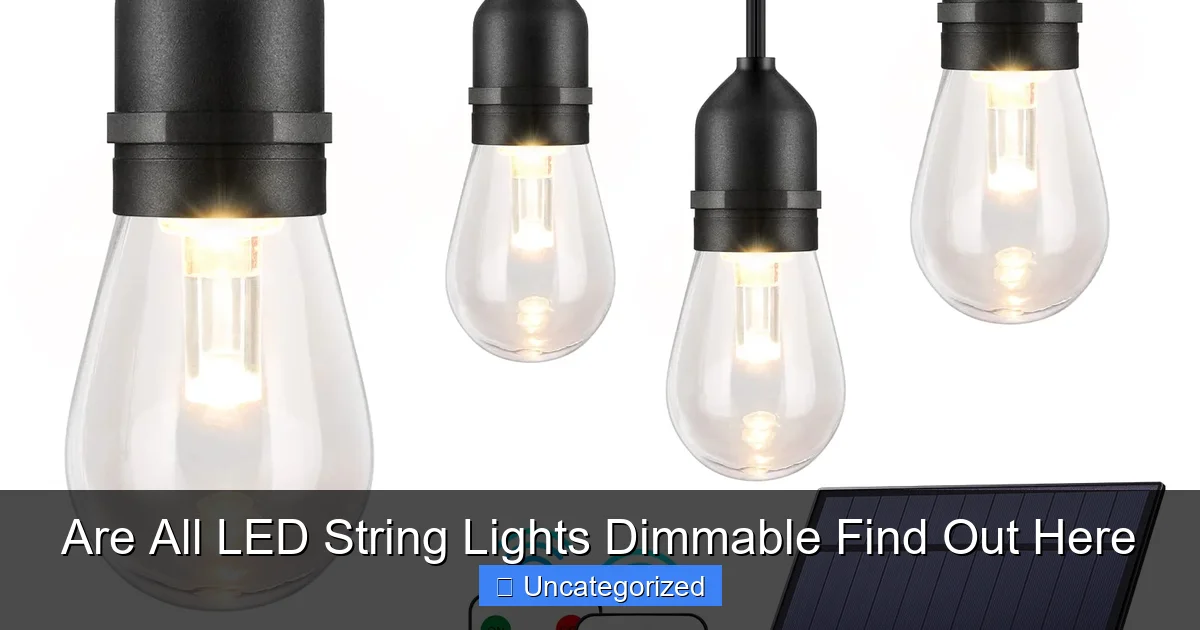
Visual guide about are all led string lights dimmable
Image source: m.media-amazon.com
- Constant-current LED drivers with built-in dimming protocols (e.g., PWM, 0-10V, or TRIAC)
- Compatible LED chips designed to operate efficiently at lower power levels
- Thermal management systems to prevent flickering or premature failure during dimming
When these components work in harmony, the result is a smooth, flicker-free dimming experience. However, if any one of these elements is missing or improperly designed, the lights may flicker, hum, or simply not respond to dimmer controls.
How Non-Dimmable LED String Lights Differ
Non-dimmable LED string lights are designed to operate at a fixed current and voltage. They lack the specialized drivers and circuitry needed to interpret dimming signals. If you attempt to dim a non-dimmable LED string using a standard dimmer switch, you’re likely to encounter one or more of the following issues:
- Flickering or strobing—especially at lower brightness levels
- Humming or buzzing sounds from the driver or transformer
- Reduced lifespan due to improper current regulation
- Complete failure to light up if the dimmer doesn’t provide enough “turn-on” voltage
For example, consider a set of non-dimmable LED fairy lights rated for 24V DC. When connected to a standard TRIAC dimmer (designed for AC mains), the dimmer may not provide the minimum current needed to activate the LED driver, resulting in no light output. Even if the lights do turn on, they may behave erratically.
Labeling and Packaging: What to Look For
Always check the product packaging or specifications before purchasing. Reputable manufacturers will clearly label their LED string lights as either dimmable or non-dimmable. Look for terms like:
- “Dimmable with compatible dimmer”
- “Works with leading/trailing edge dimmers”
- “Not for use with dimmer switches”
For instance, Philips Hue string lights explicitly state compatibility with Hue Bridge and app-based dimming, while cheaper off-brand lights may not offer such clarity. When in doubt, contact the manufacturer or refer to the technical datasheet.
The Role of Dimmer Switches and Compatibility
Types of Dimmer Switches
Not all dimmers are created equal. The type of dimmer switch you use plays a critical role in whether your LED string lights will dim properly. Here are the most common types:
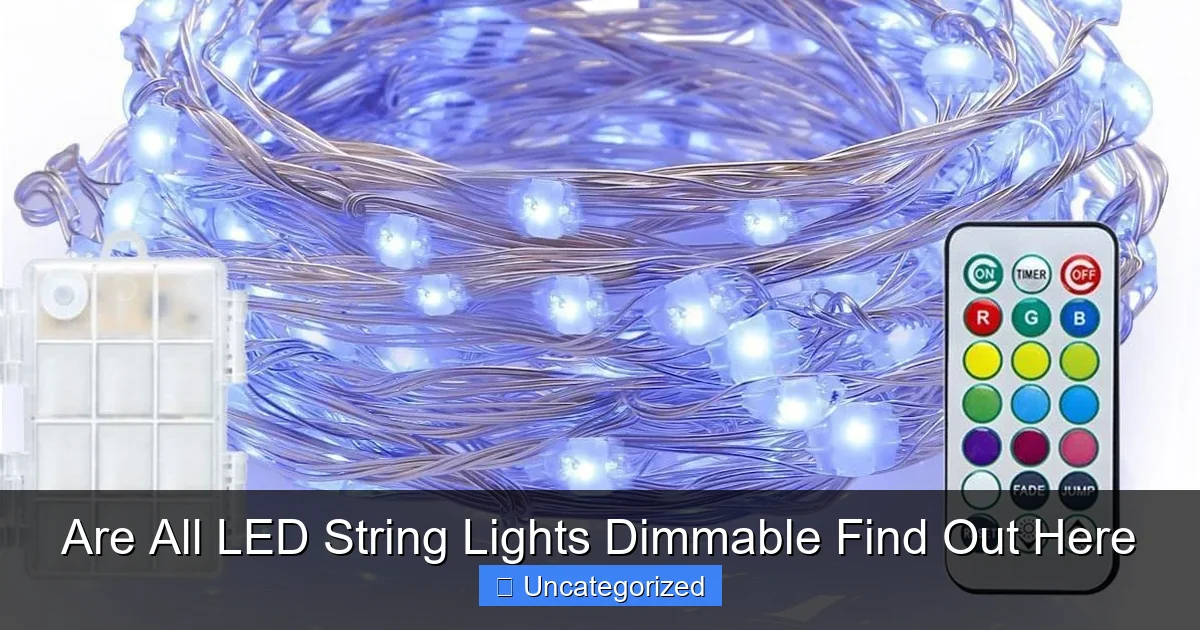
Visual guide about are all led string lights dimmable
Image source: images-na.ssl-images-amazon.com
- TRIAC Dimmers (Leading-Edge): Traditionally used for incandescent and halogen bulbs. They chop off the beginning of the AC waveform. While many dimmable LEDs support TRIAC, older models may flicker due to insufficient “holding current.” Example: Lutron MACL-153M
- Electronic Low-Voltage (ELV) or Trailing-Edge Dimmers: These cut the end of the AC waveform and provide smoother dimming for LEDs. They’re generally preferred for low-voltage LED systems. Example: Lutron DVCL-153P
- 0-10V Dimmers: Common in commercial settings, these use a separate low-voltage control wire to adjust brightness. Not typically used for residential string lights.
- Smart Dimmers: Wi-Fi or app-controlled dimmers (e.g., Lutron Caséta, Philips Hue) allow precise dimming and scheduling. Often require a hub or bridge.
Matching Dimmer and LED Specifications
Even if your LED string lights are labeled as dimmable, they may not work with every dimmer. Key compatibility factors include:
- Minimum Load Requirement: Most dimmers require a minimum wattage (e.g., 10W–25W) to function. A single string of 10W LED lights may not meet this threshold. Solution: Use a dimmer-rated LED load or connect multiple strings in parallel.
- Voltage Compatibility: Mains-voltage (120V/230V) string lights require AC dimmers. Low-voltage (12V/24V) systems need dimmers compatible with DC or ELV.
- Driver Type: Some LED string lights use external drivers (e.g., plug-in transformers). Ensure the dimmer is compatible with the driver’s input specifications.
For example, a 12V DC LED string with an external driver may only work with a trailing-edge dimmer that supports low-voltage loads. Using a standard TRIAC dimmer here could damage the driver or cause flickering.
Real-World Example: A Common Mistake
Imagine you’ve installed a beautiful set of 24V dimmable LED string lights on your patio. You connect them to a standard wall dimmer switch, but the lights flicker and buzz. Why? Because the dimmer is designed for 120V AC loads, while your lights require a 24V DC driver. The mismatch causes erratic behavior. The fix? Either:
- Use a low-voltage dimmer (e.g., Lutron LQSE-4A-120) with your existing driver, or
- Replace the driver with a dimmable 24V DC driver that accepts AC dimming signals.
This highlights the importance of matching all components in the lighting chain.
Common Issues When Dimming LED String Lights
Flickering and Humming
Flickering is the most common complaint when dimming LED string lights. Causes include:
- Incompatible dimmer: Using a leading-edge dimmer with a driver that requires trailing-edge control.
- Low load: The total wattage of the lights is below the dimmer’s minimum requirement.
- Cheap or faulty driver: Poorly designed drivers may not handle dimming signals well.
- Voltage drop: Long wire runs (especially with thin gauge wires) can reduce effective voltage, causing instability.
Pro Tip: If flickering occurs, try adding a dummy load resistor (e.g., a small incandescent bulb) in parallel to meet the dimmer’s minimum load. This is a temporary fix but can help diagnose the issue.
Delayed Response or “Pop-On” Effect
Some dimmable LED string lights don’t turn on smoothly. Instead, they remain off until the dimmer reaches a certain threshold (e.g., 40% brightness), then “pop” on. This is usually due to:
- Insufficient turn-on voltage: The dimmer’s low-end output doesn’t meet the driver’s activation threshold.
- Driver hysteresis: The driver is designed to turn on only above a certain voltage to prevent flickering.
Solution: Use a dimmer with a wider dimming range or a “soft-start” feature. Some smart dimmers allow you to adjust the minimum output level via app settings.
Color Shift and CRI Changes
Dimmable LEDs may exhibit a color temperature shift at lower brightness levels. For example, a 3000K warm white LED might appear more yellow (2700K) when dimmed. This is normal but can be undesirable for color-critical applications.
- High-quality LEDs (e.g., CRI >90) maintain consistent color better than budget options.
- Some manufacturers use “color tuning” technology to stabilize color during dimming.
For instance, GE’s “Reveal” line of LEDs maintains color accuracy across dimming levels, while cheaper LEDs may turn orange at low brightness.
Overheating and Reduced Lifespan
Improper dimming can cause the LED driver or chips to overheat, especially if the dimmer delivers inconsistent current. Signs include:
- Flickering that worsens over time
- Burning smell near the driver or plug
- Lights failing prematurely
Prevention: Ensure adequate ventilation around drivers and avoid enclosing them in sealed boxes. Use dimmers with thermal protection.
How to Test and Troubleshoot Dimmability
Step-by-Step Testing Guide
Before installing dimmable LED string lights in a permanent setup, follow this testing protocol:
- Check labels: Confirm the lights and dimmer are rated for compatibility.
- Start with full brightness: Turn the dimmer to 100% and verify the lights turn on without flickering.
- Slowly dim to 20%: Watch for flickering, buzzing, or delayed response. Note the lowest stable brightness level.
- Test over 24 hours: Leave the lights on for an extended period to check for overheating.
- Try different dimmer positions: Ensure smooth transitions across the entire dimming range.
If issues arise, isolate the problem by testing the lights with a different dimmer or the dimmer with a known-compatible LED load.
Using a Multimeter for Diagnostics
For advanced troubleshooting, a multimeter can help identify voltage and current issues:
- Measure AC voltage at the dimmer output to ensure it’s within the driver’s rated range (e.g., 108–132V for 120V systems).
- Check DC voltage at the LED input (for low-voltage systems) to verify stable output.
- Use a current clamp to measure load current and confirm it meets the dimmer’s minimum requirement.
Example: If a 12V driver outputs only 8V when dimmed, the dimmer may not be compatible with the driver’s input specifications.
When to Consult a Professional
Complex installations—such as integrating LED string lights with home automation systems or retrofitting existing circuits—require professional expertise. Consider hiring an electrician if:
- You’re unsure about dimmer compatibility
- You need to rewire a circuit for low-voltage lights
- Flickering persists after troubleshooting
An electrician can also verify that your home’s electrical system supports the total load of multiple dimmable LED strings.
Choosing the Right Dimmable LED String Lights
Key Features to Look For
When shopping for dimmable LED string lights, prioritize these features:
- Explicit “dimmable” labeling on the product
- Compatible dimmer types listed in the manual (e.g., “works with ELV dimmers”)
- High CRI (80+) for consistent color
- IP44 or higher rating for outdoor use
- Energy Star or DLC certification for efficiency and reliability
For example, the Philips Hue Lightstrip Plus is explicitly dimmable via app, voice control, or compatible switches, with a CRI of 80+ and IP20 rating (indoor use).
Smart vs. Traditional Dimmable Lights
Smart dimmable LED string lights (e.g., Nanoleaf, Twinkly) offer advanced features like:
- App-based dimming and scheduling
- Voice control (Alexa, Google Assistant)
- Customizable color and patterns
However, they require a hub, Wi-Fi, and often a smartphone. Traditional dimmable lights (e.g., GE Reveal) work with standard wall dimmers but offer less flexibility.
Top Brands and Models
Here’s a comparison of popular dimmable LED string lights:
| Brand/Model | Dimmable? | Dimming Type | Voltage | CRI | Best For |
|---|---|---|---|---|---|
| Philips Hue Lightstrip Plus | Yes | App, voice, switch | 24V DC | 80+ | Smart homes, ambiance |
| GE Reveal 25-ft String Lights | Yes | TRIAC/ELV | 120V AC | 90 | Outdoor patios, year-round |
| Twinkly Strings | Yes | App, voice | 12V DC | 80 | Holiday decor, parties |
| Minetom 50-ft Fairy Lights | No | Non-dimmable | 12V DC | 70 | Budget, non-dimming use |
| Lutron Compatible LED String | Yes | ELV only | 120V AC | 85 | Lutron Caséta users |
Budget vs. Premium Options
While budget LED string lights (under $20) may claim to be dimmable, they often lack the quality control of premium brands. Expect:
- Shorter lifespan (10,000 vs. 25,000+ hours)
- Flickering or color shift
- No warranty or support
Investing in a reputable brand ensures reliability and compatibility, saving time and frustration in the long run.
Conclusion: Making the Right Choice for Your Needs
So, are all LED string lights dimmable? The answer is a resounding no. Dimmability depends on a combination of factors: the LED chip design, driver circuitry, dimmer compatibility, and proper installation. While many high-quality LED string lights today are engineered for dimming, cheaper or older models may not support it—or worse, suffer damage if used with a dimmer.
The key takeaways? Always check product specifications before purchasing, ensure dimmer compatibility across your entire lighting system, and test before permanent installation. Whether you’re using traditional wall dimmers or smart home controls, understanding these nuances empowers you to create the perfect ambiance without technical headaches.
Remember, dimmable LED string lights aren’t just about saving energy—they’re about control, mood, and versatility. From a soft glow for a romantic dinner to bright task lighting for a workspace, the ability to adjust brightness transforms your space. By choosing the right lights and dimmers, you’ll enjoy years of flicker-free, reliable performance. So go ahead—dim the lights, set the mood, and let your creativity shine.
Frequently Asked Questions
Are all LED string lights dimmable?
No, not all LED string lights are dimmable. Dimmability depends on the driver or power supply and the LED chips used, so always check the product specifications before purchasing.
How can I tell if my LED string lights are dimmable?
Look for labels like “dimmable” or “compatible with dimmers” on the packaging or product description. You can also test them with a compatible dimmer switch to confirm functionality.
Can I use a regular dimmer switch with dimmable LED string lights?
No, you’ll need an LED-compatible dimmer switch to avoid flickering or damage. Standard dimmers for incandescent bulbs may not work properly with LEDs.
Why do my dimmable LED string lights flicker or hum?
This usually happens due to incompatibility between the dimmer and the LED lights. Ensure both the dimmer and the string lights are rated for dimming and are from compatible brands.
Are there specific brands of LED string lights that are reliably dimmable?
Yes, brands like Philips Hue, GE, and Twinkly offer high-quality dimmable LED string lights. Check customer reviews and product specs to confirm dimming features.
Can I make non-dimmable LED string lights work with a dimmer?
No, non-dimmable LED string lights aren’t designed for dimmers and may fail or burn out. Always use lights specifically labeled as dimmable for safe operation.