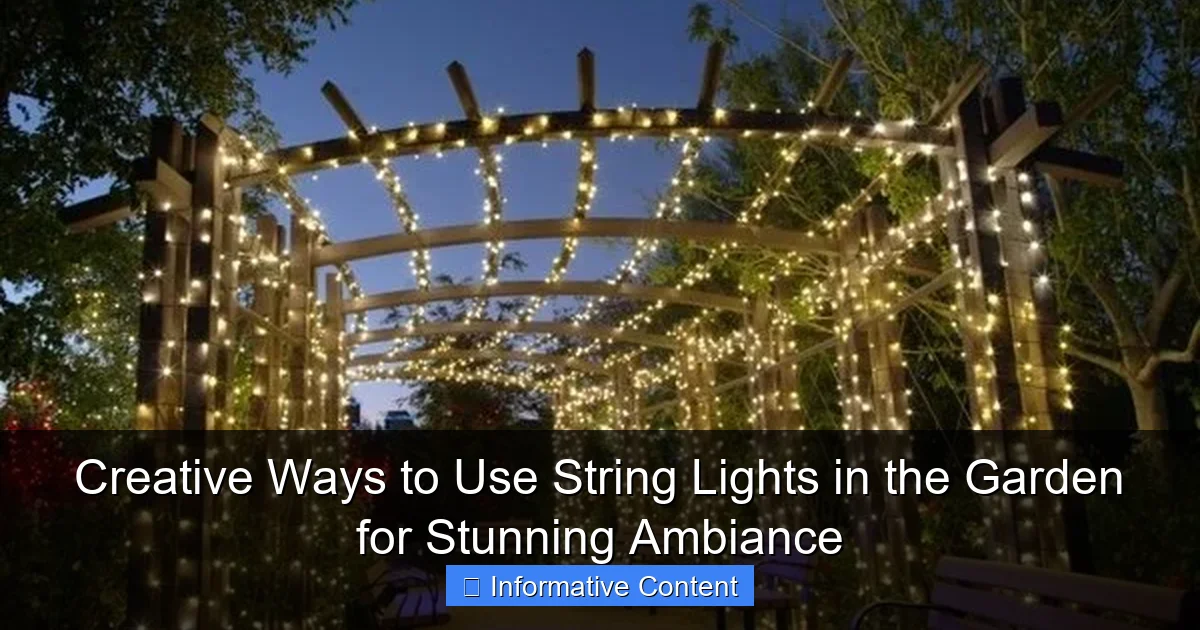
Featured image for creative ways to use string lights in the garden
Image source: deavita.net
Transform your garden into a magical retreat by draping string lights along fences, wrapping them around tree trunks, or suspending them overhead to create a starlit canopy. Highlight pathways, accentuate water features, or weave lights through pergolas for layered, inviting ambiance that elevates nighttime gatherings and quiet moments alike.
Key Takeaways
- Hang lights overhead: Create a canopy for instant nighttime magic.
- Wrap tree trunks: Add depth and highlight garden structure.
- Line pathways: Guide guests safely with soft, glowing edges.
- Frame outdoor seating: Define spaces with warm, inviting light.
- Use in planters: Elevate greenery with hidden, twinkling lights.
- Mix with nature: Weave through bushes for a fairy-tale effect.
📑 Table of Contents
Transform Your Garden with Creative String Light Ideas
There’s something undeniably magical about the soft glow of string lights. Whether it’s the warm flicker during a summer evening or the twinkling sparkle on a crisp winter night, these little lights have a way of transforming ordinary spaces into something extraordinary. And your garden? It’s the perfect canvas.
I remember the first time I strung up lights in my backyard. It was a simple setup—just a few strands draped over the patio pergola—but the effect was instant. Suddenly, the space felt cozy, inviting, and full of character. Friends lingered longer, conversations flowed more easily, and even the plants seemed to stand a little taller under the gentle illumination. That’s when I realized: string lights aren’t just for holidays or patios. With a little creativity, they can elevate your garden into a nighttime oasis.
In this post, I’ll walk you through some of my favorite creative ways to use string lights in the garden. From practical tips to unexpected placements, these ideas are designed to help you craft a stunning ambiance that feels personal, warm, and effortlessly charming—no professional designer required. Whether you’re hosting a garden party, enjoying a quiet night with a book, or just want to make your yard feel more inviting, these lighting ideas will light up your space—and your life.
Highlight Garden Features with Strategic Lighting
One of the smartest ways to use string lights in your garden is to draw attention to its best features. Think of your lights as a spotlight—they can highlight textures, colors, and shapes that get lost in the dark. Instead of lighting the entire yard, focus on key areas that add character and depth.
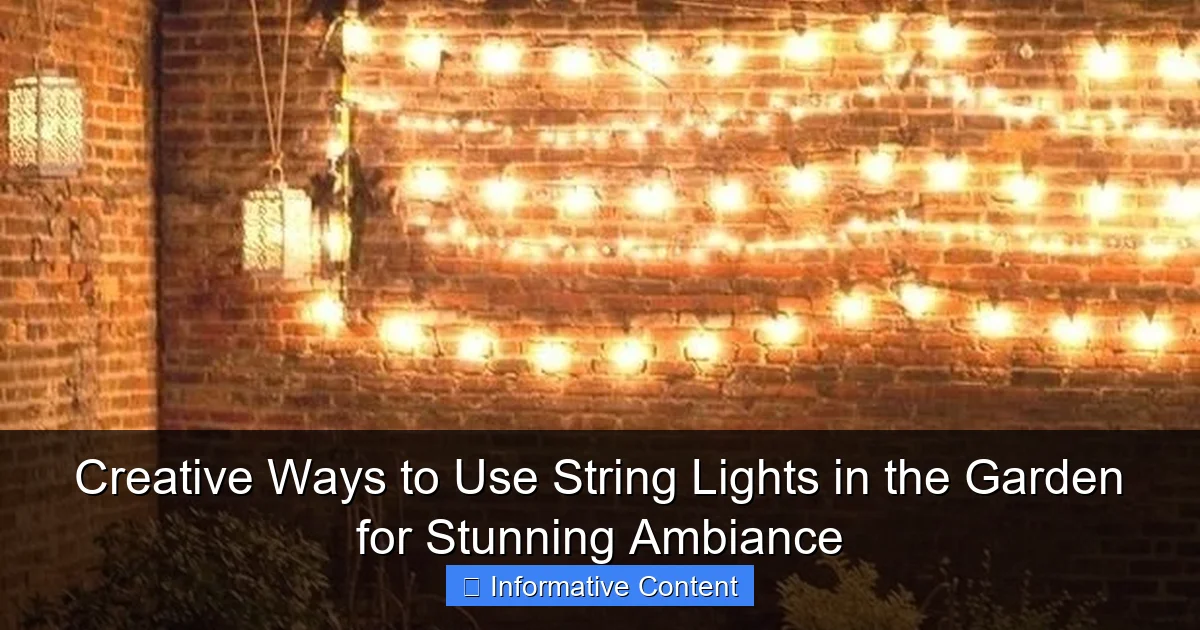
Visual guide about creative ways to use string lights in the garden
Image source: cdn.architecturendesign.net
Accentuate Trees and Shrubs
Large trees or sculptural shrubs are natural focal points. Wrap string lights around the trunk of a weeping willow, for example, or weave them through the branches of a Japanese maple. The effect is like a glowing sculpture. For younger or thinner trees, use net lights—they drape easily over foliage and provide even coverage without weighing down branches.
Tip: Use warm white or amber-colored LEDs for a natural, firefly-like glow. Cool white lights can feel too sterile for a garden setting. And always check your lights’ weight rating—some heavier strands can stress delicate branches over time.
Frame Garden Structures
Pergolas, arbors, and trellises are ideal for string light installations. Drape lights along the beams of a pergola to create a “ceiling” of light. For an arbor leading into a garden path, string lights along the top and sides to frame the entrance like a glowing portal.
One of my favorite tricks? Attach lights to a trellis covered in climbing roses or wisteria. When the flowers bloom, the lights peek through the petals, creating a romantic, layered effect. Use zip ties or light clips to secure the strings without damaging the wood or vines.
Draw Attention to Water Features
If you have a fountain, pond, or small water wall, string lights can enhance the reflective quality of the water. Suspend lights above the water’s surface so they cast shimmering reflections. For a pond, consider using solar-powered floating lights alongside ground-level strings to create a multi-level glow.
Pro tip: Avoid submerging standard string lights—they’re not waterproof. Instead, position them just above the waterline or use IP67-rated outdoor lights designed for wet environments.
Create Cozy Zones with Themed Lighting
Your garden doesn’t have to be one big open space. With string lights, you can carve out distinct “zones” for different activities—dining, lounging, reading, or entertaining. Each zone can have its own lighting theme, helping set the mood and function of the space.
Set Up a Dining Nook
Imagine hosting a dinner party under a canopy of twinkling lights. That’s the power of a well-lit dining area. String lights overhead—either in a zigzag pattern or straight lines across a pergola or between trees—create a starry-night effect. Use a dimmer switch to adjust the brightness based on the occasion.
For a more intimate feel, add lantern-style string lights or globe bulbs that mimic candlelight. These cast a softer, more diffused glow than standard LEDs. Pair them with a rustic wooden table, linen tablecloth, and some citronella candles for a full sensory experience.
Tip: If your dining area isn’t under a structure, install a freestanding light pole or use shepherd’s hooks to hang lights from above. Just make sure the height is high enough to walk under (at least 7 feet).
Design a Relaxation Corner
Need a quiet spot to unwind? Create a reading nook or meditation area with soft, ambient lighting. Hang string lights in a low canopy above a hammock, Adirondack chairs, or a garden bench. Use fairy lights in warm white or soft yellow for a gentle, calming glow.
One reader told me she strung lights in a “U” shape around her favorite bench, with the ends anchored to two nearby trees. The effect was like sitting inside a glowing cocoon—perfect for stargazing or journaling.
Bonus idea: Add a small solar-powered speaker nearby and play nature sounds or soft music. The combination of light, sound, and comfort turns this zone into a true retreat.
Host an Outdoor Lounge
Want to mimic the vibe of a rooftop bar or beachside lounge? Use string lights to define a seating area with outdoor sofas, poufs, or a fire pit. Drape lights overhead in a crisscross pattern or hang them vertically from a central pole to create a “light curtain.”
For a modern twist, try color-changing smart lights that can shift from warm white to soft blue or purple. Sync them with a music playlist for a fun, party-ready atmosphere. Just remember to keep cords tucked away and use outdoor-rated extension cords.
Use String Lights to Guide the Way
Lighting isn’t just about beauty—it’s also about safety and usability. String lights can serve as gentle guides, helping guests navigate your garden at night without tripping or feeling disoriented.
Line Garden Paths
One of the most practical uses of string lights is to line pathways. Instead of harsh spotlights, use low-hanging strings to create a soft, inviting trail. You can run lights along both sides of the path or hang them overhead like a tunnel.
For a whimsical touch, use mason jar lights or bottle lights—small glass jars with LEDs inside—placed along the edges. These cast a dappled, firefly-like glow and add a handmade charm.
Tip: Use solar-powered path lights with string light strands to avoid running wires. Many solar models now have long-lasting batteries and bright LEDs.
Highlight Stairs and Elevation Changes
Stairs, decks, and terraced gardens can be tricky at night. String lights can make these areas safer and more attractive. Run lights along the handrail of a garden staircase, or attach them to the risers (the vertical part of each step) for a floating effect.
For a deck, install lights under the railing or along the edge of the platform. This creates a soft outline and prevents accidental falls. Use adhesive light strips for a clean, modern look—they’re easy to install and remove.
Mark Garden Entrances
Your garden gate or backdoor entry is the first thing guests see. Make it welcoming with a lighted arch or overhead canopy. String lights across the top of a gate, or wrap them around the frame like a glowing ribbon.
One clever idea: hang lights in a “V” shape from the gate to two nearby trees, creating a tunnel of light that leads into the garden. It’s both functional and theatrical—like stepping into a storybook.
Get Creative with Unique Installations
Why stick to the usual when you can get playful? String lights are incredibly versatile, and with a little imagination, you can create installations that surprise and delight.
Make a Lighted Canopy or Tent
Turn a simple tarp or shade sail into a magical lighted canopy. Attach string lights to the corners and run them along the edges. For a more permanent setup, install a retractable shade sail with lights built into the frame.
One homeowner I spoke with used curtain lights—vertical strands that hang like a waterfall—to create a “light tent” over a seating area. The effect was like being under a glowing waterfall, especially when the breeze made the strands sway.
Create a Light Maze or Tunnel
If you have a narrow garden path or a row of hedges, turn it into a lighted maze. String lights along both sides, crisscrossing overhead at intervals. For a tunnel effect, use net lights draped over a frame of PVC pipes or bamboo poles.
This is especially fun for kids or holiday displays. Add themed props (like glowing pumpkins for Halloween or paper lanterns for a summer festival) to enhance the experience.
Use Lights in Unexpected Containers
String lights don’t have to be in the sky. Try placing them inside clear glass vases, lanterns, or even old watering cans. The light diffuses through the material, creating a soft, glowing centerpiece.
For a rustic look, fill a wooden crate with mason jars, each holding a small string light. Or hang globe lights from tree branches using fishing line—they’ll look like floating orbs.
DIY Light Sculptures
Feeling crafty? Build a light sculpture using wire frames, chicken wire, or even coat hangers. Shape the frame into a heart, star, or animal silhouette, then wrap it with string lights. Mount it on a stake and place it in a flower bed or near a path.
Tip: Use battery-operated lights for easy installation. No need to worry about outlets or cords.
Choose the Right Lights for Your Garden
Not all string lights are created equal. To get the best results—and avoid frustration—choose the right type for your needs.
Types of String Lights
Here’s a quick guide to the most common types and their best uses:
| Type | Best For | Pros | Cons |
|---|---|---|---|
| LED String Lights | General use, trees, pergolas | Energy-efficient, long-lasting, cool to touch | Some models have a “plastic” look |
| Fairy Lights | Delicate areas, centerpieces, jars | Very flexible, subtle glow, battery-powered options | Shorter strands, less bright |
| Net Lights | Bushes, walls, hedges | Even coverage, easy to install | Can be heavy on large installations |
| Curtain Lights | Canopies, tents, backdrops | Creates a waterfall effect, dramatic | Requires a frame or structure |
| Solar-Powered Lights | Paths, remote areas, no outlet needed | No wiring, eco-friendly | Less bright on cloudy days |
Key Features to Consider
- Weather Resistance: Look for IP65 or IP67 ratings for outdoor use. These ensure the lights can handle rain, wind, and temperature changes.
- Bulb Type: LEDs are best for gardens—they last up to 50,000 hours and use less power than incandescent bulbs.
- Color Temperature: Warm white (2700K–3000K) feels cozy and natural. Cool white (4000K+) can feel clinical—use sparingly.
- Power Source: Plug-in lights are brighter but need access to outlets. Solar and battery-powered are easier to install but may not be as bright.
- Connectivity: Some lights can be linked end-to-end. Check the maximum number of strands you can connect to avoid overloading.
Pro tip: Always buy a few extra strands. Gardens are full of curves and corners, and you’ll likely need more than you think. Plus, it’s easier to replace a broken strand if you have a spare on hand.
Maintain and Enjoy Your Lighted Garden
Once your lights are up, a little maintenance goes a long way. Here’s how to keep your garden glowing all season long.
Seasonal Care
Check your lights every few weeks. Look for frayed wires, loose bulbs, or signs of water damage. If you live in a cold climate, consider removing lights during winter to prevent ice buildup and freezing damage. Store them in a dry, cool place—preferably in the original packaging.
For solar lights, clean the solar panels regularly. Dust, leaves, and bird droppings can block sunlight and reduce battery life.
Energy Efficiency
Use timers or smart plugs to turn lights on at dusk and off at midnight. This saves energy and extends bulb life. Some smart plugs even let you control lights from your phone—perfect for when you forget to turn them off after a party.
Safety First
Always use outdoor-rated extension cords and GFCI outlets to prevent shocks. Keep cords off the ground and away from high-traffic areas. If you’re using lights near water, double-check that all components are waterproof.
Remember: String lights are for ambiance, not primary lighting. Pair them with task lights (like solar path markers) for safety.
At the end of the day, string lights are more than just decor—they’re mood setters, conversation starters, and memory makers. They invite you to slow down, look up, and appreciate the beauty of your garden under the stars.
So go ahead—string up those lights. Try something bold, something simple, or something completely unexpected. Your garden is waiting to shine.
Frequently Asked Questions
How can I use string lights to create a magical ambiance in my garden?
Hang string lights along fences, trees, or pergolas to instantly transform your garden into a cozy, enchanting space. Drape them in zigzag patterns or weave them through shrubs for a dynamic, layered glow that enhances evening gatherings.
What are some creative ways to use string lights in the garden beyond basic hanging?
Try wrapping lights around tree trunks, lining garden pathways, or placing them inside glass lanterns for a whimsical touch. You can also suspend them over dining areas or pool edges for functional yet artistic lighting.
Are solar-powered string lights effective for garden use?
Yes! Solar-powered lights are eco-friendly and ideal for gardens, as they charge during the day and automatically illuminate at night. Just ensure they receive 6–8 hours of sunlight for optimal brightness.
Can I use string lights to highlight specific garden features?
Absolutely. Focus lights on water features, sculptures, or flower beds by outlining their edges or placing them underneath foliage. This draws attention to focal points and adds depth to your landscape.
How do I safely install string lights in my garden without damaging plants?
Use plant-safe clips, hooks, or stakes to secure lights without tying them tightly around stems or branches. Avoid overheating by opting for LED bulbs, which emit minimal heat.
What’s the best way to use string lights for outdoor parties?
Create a canopy by crisscrossing lights above seating areas or dining tables, or wrap them around umbrella poles for a festive vibe. Combine warm white and colored lights to match your event theme.

