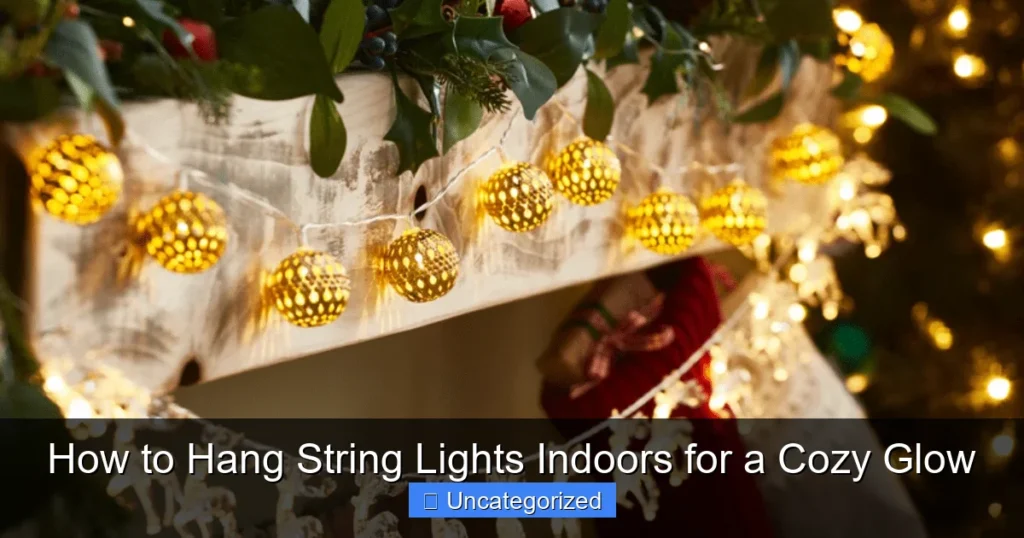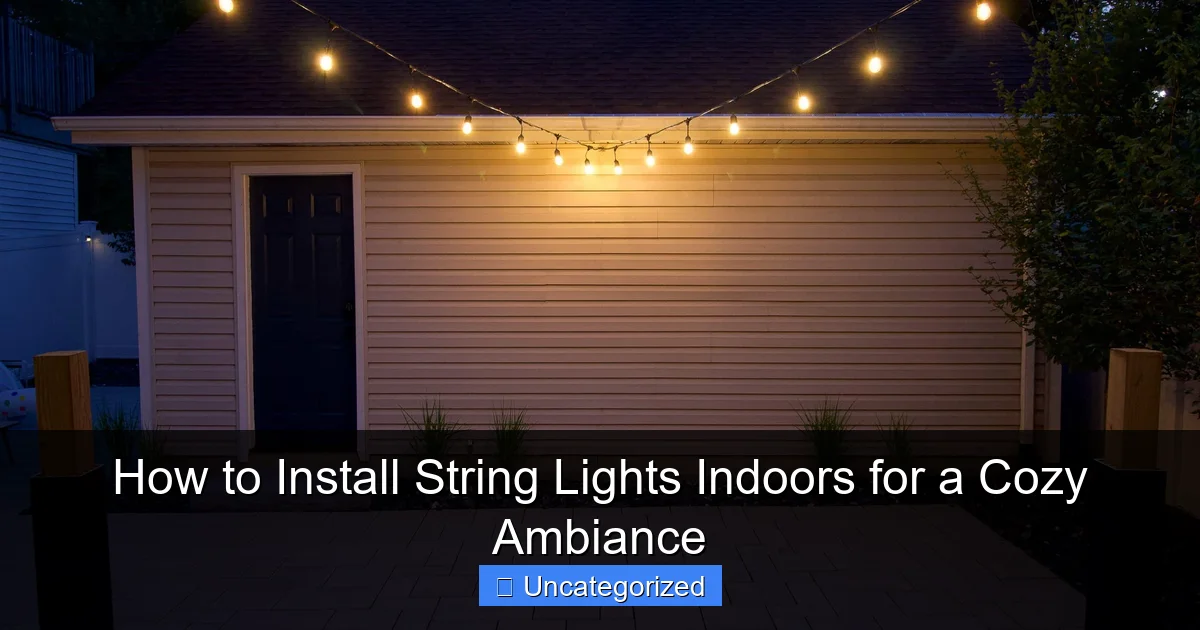
Featured image for how to install string.lights indoors
Image source: thediyplaybook.com
Transform any indoor space into a cozy retreat by strategically installing string lights along walls, ceilings, or furniture for instant ambiance. Use adhesive hooks, clips, or discreet nails to secure the lights without damaging surfaces, and opt for battery-powered or plug-in styles with dimmers to control brightness. Always measure your space first and plan the layout to ensure even coverage and a polished, inviting glow.
Key Takeaways
- Plan your layout: Sketch light placement before hanging for balanced coverage.
- Use removable hooks: Protect walls with damage-free adhesive or tension rods.
- Measure cord length: Ensure lights reach outlets without overstretching or sagging.
- Layer lighting: Combine string lights with lamps for depth and ambiance.
- Secure connections: Keep plugs elevated and dry to avoid hazards.
- Test before installing: Check bulbs and wiring to prevent mid-project issues.
📑 Table of Contents
How to Install String Lights Indoors for a Cozy Ambiance
There’s something undeniably magical about string lights—those delicate strands of glowing bulbs that instantly transform any space into a warm, inviting haven. Whether draped across a wall, wrapped around a bed frame, or suspended above a dining table, indoor string lights create an ambiance that’s both nostalgic and modern. From cozy reading nooks to romantic dinner settings, these versatile lights have become a staple in interior design, offering a soft glow that enhances mood, sparks creativity, and makes even the simplest moments feel special.
But installing string lights indoors isn’t just about hanging them and hoping for the best. Done right, they can elevate your space with elegance and charm; done poorly, they can look cluttered, unsafe, or downright chaotic. The key lies in thoughtful planning, the right tools, and a clear understanding of your space and lighting goals. In this comprehensive guide, we’ll walk you through every step of installing string lights indoors—from choosing the perfect type and placement to securing them safely and styling them for maximum impact. Whether you’re decorating a studio apartment, a bedroom, or a living room, you’ll learn how to create a cozy, Instagram-worthy ambiance that’s as functional as it is beautiful.
Choosing the Right String Lights for Your Space
Before you start drilling holes or taping wires, it’s essential to select the right type of string lights for your indoor environment. With so many options on the market, from vintage Edison bulbs to modern LED fairy lights, the choice can feel overwhelming. But with a few key considerations, you can narrow down the best fit for your needs and style.
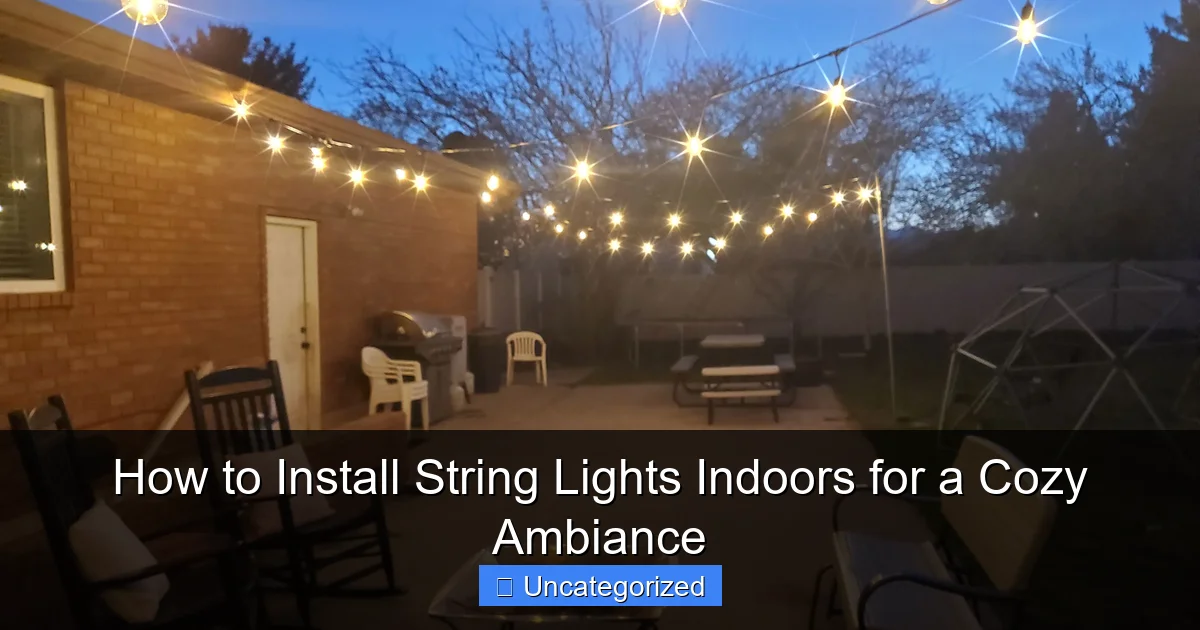
Visual guide about how to install string.lights indoors
Image source: mysillysquirts.com
Types of String Lights
There are several popular types of indoor string lights, each with unique characteristics:
- LED Fairy Lights: Small, energy-efficient, and cool to the touch. Ideal for delicate draping, wrapping around objects, or creating subtle sparkle. Often battery-powered, making them easy to install without outlets.
- Edison Bulb Strings: Larger, vintage-style bulbs with exposed filaments. Perfect for industrial or rustic interiors. They emit a warm, amber glow and are best used in areas where the bulbs themselves are part of the decor.
- Net or Mesh Lights: Designed to cover large flat surfaces like walls or ceilings. Great for creating a “starry sky” effect or for quick coverage in a bedroom or dorm room.
- Curtain or Icicle Lights: Hang vertically to mimic rain or a waterfall of light. Ideal for behind sheer curtains, over windows, or as a room divider.
- Smart String Lights: Wi-Fi or Bluetooth-enabled, allowing you to control brightness, color, and timing via an app or voice assistant. Perfect for tech-savvy homeowners or those who love dynamic lighting scenes.
Tip: For bedrooms and nurseries, prioritize LED or low-heat bulbs to ensure safety and comfort. Avoid incandescent strings, which can get hot and pose a fire risk when left on for long periods.
Length, Spacing, and Brightness
Measure your space before purchasing. A common mistake is buying lights that are too short or too long. As a rule of thumb:
- For a 10-foot wall, choose a 12–15-foot string to allow for draping or wrapping.
- Spacing between bulbs should be 2–6 inches for a balanced look. Closer spacing creates a denser glow; wider spacing gives a more minimalist feel.
- Brightness is measured in lumens. For ambient lighting, aim for 100–300 lumens per foot. For accent lighting (e.g., behind a headboard), 50–150 lumens per foot may suffice.
Example: In a 12-foot bedroom, a 15-foot LED string with 300 lumens total (20 lumens per foot) provides a soft, even glow without overwhelming the space.
Power Source and Plug Placement
Consider how the lights will be powered. Plug-in strings offer consistent brightness but limit placement to outlets. Battery-operated lights offer flexibility but require frequent battery changes or recharging. Hybrid options with rechargeable batteries and USB ports are increasingly popular for their convenience.
Pro Tip: Use extension cords or power strips with surge protection if your outlet is far from the desired location. Hide cords behind furniture or use cord clips to keep them tidy.
Planning Your Layout and Design
A successful string light installation starts with a well-thought-out plan. Without one, you risk tangled wires, uneven lighting, or a design that doesn’t complement your space. This section covers how to map out your layout, choose the right placement, and avoid common design pitfalls.
Mapping the Space
Start by sketching a simple floor plan or taking photos of the room from multiple angles. Identify key areas where you want to install lights:
- Above the Bed: A popular choice for creating a canopy or headboard glow. Measure the width of your bed and add 1–2 feet on each side for a soft, floating effect.
- Along Walls or Ceiling Edges: Use to define the room’s perimeter or highlight architectural features like crown molding.
- Behind Furniture: Drape lights behind a bookshelf, TV console, or couch to create a backlit, gallery-like ambiance.
- Over Windows or Doorways: Frame the space and add depth. Use curtain lights or a zigzag pattern for maximum impact.
- Inside Shelves or Bookcases: Place small fairy lights on open shelves to highlight decor items and add warmth.
Example: In a 12×14 foot bedroom, install a 15-foot string in a zigzag pattern from the top-left corner of the headboard, across the ceiling, and down the opposite wall. This creates a dynamic focal point and fills the room with soft light.
Creating a Lighting Pattern
Patterns can elevate your design from simple to stunning. Consider these popular layouts:
- Straight Line: Minimalist and clean. Great for modern interiors.
- Zigzag or Chevron: Adds movement and visual interest. Ideal for ceilings or behind beds.
- Curved or Swag: Soft, romantic draping. Perfect for canopies or above dining tables.
- Grid or Matrix: For a geometric, contemporary look. Use on walls or ceilings.
- Spiral or Wrapped: Wrap lights around bedposts, stair railings, or plant stems for a whimsical touch.
Tip: Use painter’s tape to map your pattern on the wall or ceiling before installing. This lets you visualize the layout and make adjustments without permanent marks.
Considering Room Function and Mood
The function of the room should influence your lighting design. A bedroom benefits from soft, warm light that promotes relaxation, while a home office might use brighter, white light for focus. A living room can blend both—use warm lights for ambiance and brighter strings for task lighting over a reading nook.
Pro Tip: Layer your lighting. Combine string lights with floor lamps, table lamps, or dimmable ceiling fixtures to create a balanced, multi-functional space.
Tools and Materials You’ll Need
Having the right tools and materials on hand ensures a smooth, safe installation. While some methods require minimal equipment, others benefit from specialized hardware. Below is a comprehensive list of what you’ll need, depending on your chosen mounting technique.
Essential Tools
- Measuring Tape: For accurate spacing and length.
- Level: To keep lines straight and patterns even.
- Pencil or Painter’s Tape: For marking anchor points without damaging walls.
- Drill and Screwdriver: For installing hooks or anchors (if using permanent methods).
- Stud Finder (optional): Helpful if mounting on drywall and need to locate studs for heavier lights.
- Step Ladder: For reaching ceilings or high walls.
Mounting Hardware
The hardware you choose depends on your wall type and desired permanence:
- Adhesive Hooks or Clips: Ideal for renters or temporary installations. Look for 3M Command strips or similar brands that hold up to 5–10 lbs. Great for fairy lights or lightweight strings.
- Push Pins or Tacks: Quick and easy for lightweight strings on drywall or wood. Use sparingly to avoid damage.
- Screw-in Hooks or Eye Screws: More permanent and secure. Use for heavy Edison bulb strings or if installing in high-traffic areas.
- Ceiling Clips or Cable Clamps: Designed for wires and cords. Keep lights taut and prevent sagging.
- Picture Hangers or D-Rings: Useful for creating anchor points on frames or furniture.
Tip: For textured walls (e.g., stucco or brick), use longer hooks or anchors designed for uneven surfaces.
Additional Supplies
- Extension Cords or Power Strips: With surge protection for safety.
- Cord Covers or Clips: To hide and secure wires along baseboards or walls.
- Zip Ties or Velcro Straps: For bundling excess wire or securing lights to furniture.
- Scissors or Wire Cutters: For trimming zip ties or adjusting cord length.
Example: For a bedroom with fairy lights draped above the bed, you might use 10–12 adhesive hooks, a measuring tape, a level, and a few zip ties to manage the plug and excess cord.
Step-by-Step Installation Guide
Now that you’ve chosen your lights, planned your layout, and gathered your tools, it’s time to install. Follow this detailed, step-by-step guide to ensure a professional-looking result that’s both safe and stylish.
Step 1: Prepare the Area
Clear the space where you’ll be working. Move furniture if needed and lay down a drop cloth to protect floors. Test your string lights by plugging them in to ensure all bulbs work and the length is sufficient.
Step 2: Mark Anchor Points
Using your layout plan, mark where each hook or clip will go with a pencil or painter’s tape. Use a level to keep lines straight. For zigzag or curved patterns, mark every 6–12 inches. For straight lines, mark every 12–18 inches.
Tip: Start from the center of a wall or feature (like a headboard) and work outward to maintain symmetry.
Step 3: Install Mounting Hardware
Attach your chosen hooks, clips, or anchors at each marked point. If using adhesive hooks, clean the surface with rubbing alcohol first for better adhesion. For screw-in hooks, drill pilot holes if needed to prevent splitting.
Important: Follow manufacturer weight limits. For example, a 3M Command hook rated for 5 lbs can support a 15-foot LED string but may not hold a 20-foot Edison bulb set.
Step 4: Hang the String Lights
Begin at the end closest to the power source. Drape the lights over each hook, starting from the center and moving outward. For zigzag patterns, alternate the direction at each hook. For canopies, create a “swag” by leaving a slight dip between hooks.
Pro Tip: Don’t pull the lights too tight—leave a little slack to prevent strain on the wires and hooks.
Step 5: Manage Cords and Wires
Route the power cord along the wall or baseboard using cord clips or covers. If the plug is visible, tuck it behind furniture or use a cord cover to hide it. For battery packs, place them in a discreet location (e.g., inside a drawer or under a shelf).
Step 6: Test and Adjust
Plug in the lights and step back to assess the effect. Look for:
- Uneven spacing or sagging
- Visible cords or plugs
- Overly bright or dark spots
Make minor adjustments to hooks or cord placement as needed. Use zip ties to bundle excess wire or reposition clips for a cleaner look.
Step 7: Final Touches
Once satisfied, secure all connections and double-check that cords are out of high-traffic areas. For a polished finish, use decorative elements like garlands, plants, or sheer fabric to partially conceal the lights and add texture.
Creative Styling Ideas and Safety Tips
With your lights installed, it’s time to elevate your design with creative styling and ensure everything is safe for long-term use. This section covers both aesthetic enhancements and critical safety practices.
Styling Tips for Maximum Impact
- Layer with Textiles: Pair string lights with sheer curtains, macramé, or tapestries to diffuse the glow and add texture.
- Use Reflective Surfaces: Install lights near mirrors or glass to amplify brightness and create depth.
- Incorporate Nature: Wrap lights around houseplants, hang them in a terrarium, or drape them over a branch for a bohemian look.
- Highlight Artwork: Place lights behind framed photos or canvas art to create a gallery wall with ambient backlighting.
- Seasonal Swaps: Change light colors or add themed ornaments (e.g., snowflakes, pumpkins) for holidays.
Example: In a living room, install a zigzag pattern of warm-white fairy lights behind a floating shelf. Add small potted plants and framed photos on the shelf to create a cozy, curated display.
Safety Best Practices
Indoor string lights are generally safe, but following these guidelines prevents hazards:
- Check for Certification: Use only lights with UL, ETL, or CSA safety ratings.
- Inspect Regularly: Look for frayed wires, loose bulbs, or discoloration. Replace damaged strings immediately.
- Don’t Overload Circuits: Limit the number of lights per outlet (check wattage on packaging).
- Keep Away from Heat Sources: Avoid placing lights near heaters, fireplaces, or lamps.
- Use Timers or Smart Plugs: Automate on/off times to prevent lights from running all night.
- Child and Pet Safety: Secure cords out of reach and avoid dangling lights where they can be pulled.
Tip: For bedrooms, use a timer to turn lights off automatically after 1–2 hours, promoting better sleep.
Data Table: Recommended String Lights by Room
| Room | Recommended Light Type | Color Temperature | Mounting Method | Notes |
|---|---|---|---|---|
| Bedroom | LED Fairy Lights, Net Lights | 2700K–3000K (Warm White) | Adhesive Hooks, Ceiling Clips | Use behind headboard or canopy for soft glow |
| Living Room | Edison Bulb Strings, Smart Lights | 2200K–3000K (Amber to Warm White) | Screw-in Hooks, Cord Covers | Layer with floor lamps for ambiance |
| Home Office | White LED Strings | 3500K–4000K (Neutral White) | Wall Clips, Behind Shelves | Bright but not harsh; avoid glare on screens |
| Dining Room | Curtain Lights, Zigzag Fairy Lights | 2700K–3000K | Ceiling Hooks, Picture Rails | Install above table for intimate dinner lighting |
| Nursery | Battery-Operated Fairy Lights | 2700K (Warm White) | Adhesive Clips, Behind Crib | Low heat, no cords; use timer for nightlight |
Maintaining and Updating Your String Lights
Your string lights can last for years with proper care and occasional updates. Maintenance ensures they stay safe and beautiful, while seasonal or style changes keep your space fresh.
Regularly dust lights with a microfiber cloth or soft brush. For battery-operated models, replace or recharge batteries as needed. Check connections and cords every few months for wear. If a bulb burns out, replace it promptly—some strings require specific bulb types, so keep spares on hand.
To refresh your design, swap out light colors (e.g., from warm white to cool white for a modern look) or change the pattern seasonally. Add ornaments, garlands, or colored filters for holidays. For a major update, consider upgrading to smart lights with app control for dynamic scenes.
Remember, the goal is to create a space that feels like home—cozy, inviting, and uniquely yours. With the right approach, your indoor string lights will do more than illuminate; they’ll inspire, comfort, and bring joy every time you turn them on.
Frequently Asked Questions
How do I install string lights indoors without damaging my walls?
Use removable adhesive hooks, command strips, or tension rods to hang your string lights indoors without leaving marks. These solutions are ideal for renters or those who want to avoid nails or screws.
What’s the best way to plan the layout for indoor string lights?
Start by measuring the space and sketching a layout to determine how many strands you’ll need. Drape the lights loosely (don’t stretch them) along your planned route before securing them to ensure even coverage and a balanced look.
Can I connect multiple string lights indoors for longer coverage?
Yes, but check the manufacturer’s guidelines—most indoor string lights allow end-to-end connection up to a certain number of strands. Always avoid overloading circuits, and use a power strip with surge protection for safety.
Where should I place indoor string lights for maximum cozy ambiance?
Focus on high-impact areas like headboards, mantels, window frames, or ceiling edges to create a warm, inviting glow. Layering lights near seating areas or bookshelves enhances the cozy atmosphere without overwhelming the space.
Are battery-powered string lights a good option for indoor installation?
Battery-powered lights offer flexibility for spots far from outlets and eliminate cord clutter. They’re perfect for temporary setups or areas where plug-in access is limited, though rechargeable batteries help reduce long-term costs.
How do I hide the cords when installing string lights indoors?
Use cord clips, raceways, or tuck wires behind furniture, curtains, or molding to keep them out of sight. For a seamless look, match cord covers to your wall color or run wires along existing decor elements.