Featured image for how to make string lights work indoors
Image source: yardworkhq.com
Transform any indoor space into a cozy retreat by strategically placing string lights to enhance warmth and ambiance—think along shelves, headboards, or draped in corners. Choose warm white or soft-toned LEDs and layer them with existing lighting to avoid harsh brightness while maximizing comfort and style.
Key Takeaways
- Choose warm white lights: Creates a cozy, inviting glow indoors.
- Layer lighting: Combine string lights with lamps for balanced ambiance.
- Highlight focal points: Drape lights around mirrors, headboards, or shelves.
- Use dimmers or timers: Control brightness and automate on/off times.
- Opt for battery-powered: Offers flexibility and avoids cord clutter.
- Experiment with placement: Try ceilings, walls, or furniture for unique effects.
📑 Table of Contents
- How to Make String Lights Work Indoors for Cozy Ambiance
- Choosing the Right Type of String Lights for Indoor Use
- Strategic Placement: Where and How to Hang String Lights Indoors
- Power Solutions and Safety: Ensuring Reliable and Secure Use
- Style and Aesthetic: Matching String Lights to Your Decor
- Advanced Techniques and Creative Ideas for Maximum Impact
- Conclusion
How to Make String Lights Work Indoors for Cozy Ambiance
There’s something undeniably magical about the soft, warm glow of string lights. Whether they’re draped across a bookshelf, twined around a headboard, or suspended above a dining table, string lights have the unique ability to transform any indoor space into a haven of comfort and charm. Unlike harsh overhead lighting, string lights offer a diffused, inviting illumination that instantly elevates the mood of a room. They’re not just for holidays or outdoor patios anymore—indoor string lights have become a staple in modern interior design, offering year-round ambiance and versatility.
But using string lights indoors isn’t as simple as just plugging them in and hanging them up. To truly harness their potential, you need to consider placement, power sources, style compatibility, safety, and even the psychological effects of lighting. Done right, string lights can enhance relaxation, spark creativity, and even improve sleep quality. This guide will walk you through how to make string lights work indoors to create a cozy, inviting atmosphere in any room of your home. From choosing the right type to creative installation ideas, you’ll learn everything you need to know to master the art of indoor string lighting.
Choosing the Right Type of String Lights for Indoor Use
Not all string lights are created equal—especially when it comes to indoor applications. The first step in creating a cozy ambiance is selecting the right kind of string lights for your space, needs, and aesthetic preferences. Here’s what to consider:
Visual guide about how to make string lights work indoors
Image source: cdn.homedit.com
LED vs. Incandescent: Efficiency and Safety
LED string lights are the clear winner for indoor use. They consume up to 80% less energy than traditional incandescent bulbs, generate minimal heat (reducing fire risk), and last significantly longer—often 25,000 to 50,000 hours. This makes them safer and more cost-effective over time. While incandescent lights give off a warmer, slightly yellow glow, LEDs have improved dramatically and now come in “warm white” (2700K–3000K) options that mimic incandescent bulbs perfectly. For bedrooms, living rooms, or nurseries, warm white LED string lights are ideal for creating a soft, cozy atmosphere.
Bulb Shape and Size: Style Matters
String lights come in various bulb styles, each offering a different visual effect:
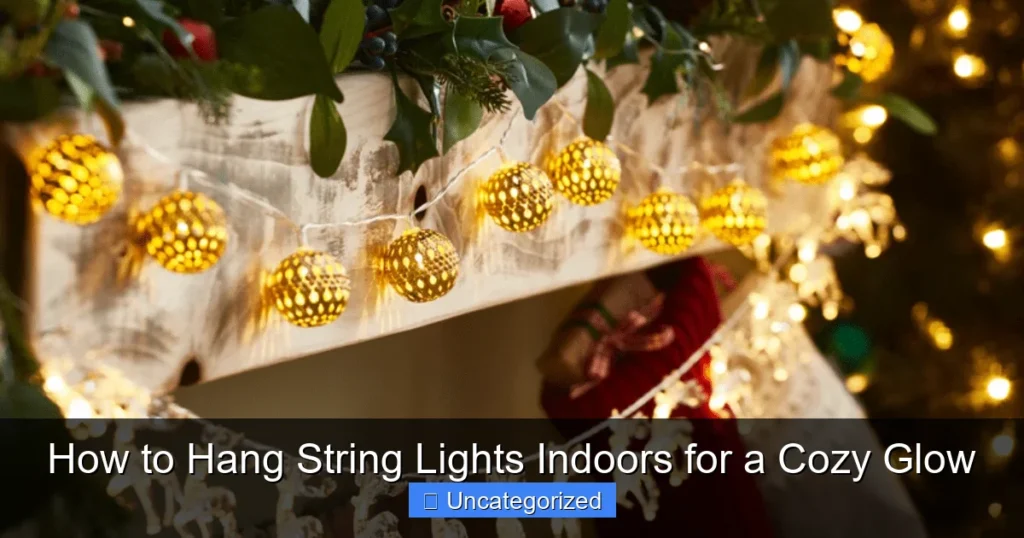
- Mini fairy lights: Tiny, delicate bulbs perfect for subtle accent lighting—ideal for wrapping around picture frames, mirrors, or plant stems.
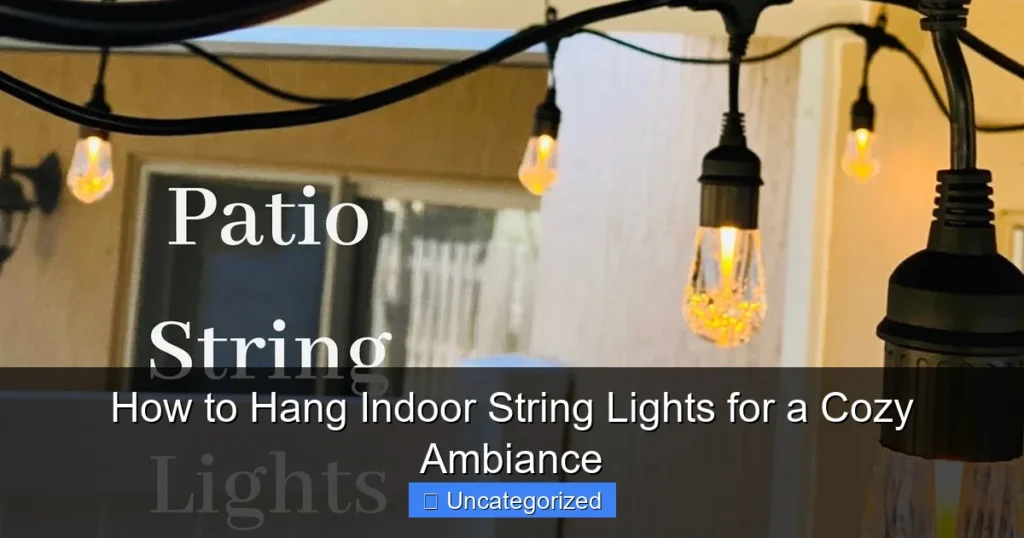
- Edison-style bulbs: Larger, exposed-filament bulbs that add vintage charm and work well in industrial or farmhouse-style spaces.
- Globe or round bulbs: Uniform, modern-looking bulbs that provide consistent, even light—great for ceiling canopies or wall installations.
- Novelty shapes: Stars, hearts, or geometric shapes add whimsy and are perfect for children’s rooms or themed decor.
For a universally cozy look, mini warm white or globe bulbs are recommended. They’re versatile, unobtrusive, and blend well with most decor styles.
Plug-In vs. Battery-Powered: Convenience vs. Flexibility
Plug-in lights offer continuous, reliable power and are best for permanent installations (e.g., behind headboards or along ceiling edges). However, they require proximity to an outlet. Battery-powered string lights, on the other hand, offer unmatched flexibility—you can place them anywhere, even in the middle of a room or on a shelf with no nearby socket. They’re perfect for renters or temporary setups. Just remember to check battery life (most last 6–12 hours per charge) and opt for rechargeable models to reduce waste and cost.
Smart String Lights: The Future of Ambiance
For tech-savvy homeowners, smart string lights (like Philips Hue or Govee) offer app-controlled color, brightness, and even music syncing. These are ideal for creating dynamic lighting scenes—soft white for reading, warm amber for evenings, or colorful patterns for parties. While more expensive, their customization potential makes them a long-term investment in mood lighting.
Strategic Placement: Where and How to Hang String Lights Indoors
Even the most beautiful string lights won’t create a cozy ambiance if they’re poorly placed. The key is intentional placement that enhances the room’s function and atmosphere. Here are the most effective indoor locations and techniques:
Behind the Headboard: The Ultimate Bedroom Glow
One of the most popular and effective uses of indoor string lights is behind the bed. This creates a soft, indirect light that mimics a backlit headboard and adds depth to the room. To do it right:
- Use adhesive hooks or picture rail clips to secure the lights along the top edge of the headboard or wall.
- Choose a length that slightly exceeds the width of your bed for a balanced look.
- Opt for battery-powered lights to avoid visible cords near the bed.
- For a dramatic effect, use a second strand wrapped around the bed frame or draped from the ceiling.
This setup is perfect for reading, winding down at night, or creating a romantic vibe.
Above the Dining Table: Warmth for Mealtimes
Hanging string lights above a dining table adds intimacy and warmth. Instead of a single overhead fixture, string lights provide a more organic, diffused glow. Try these methods:
- Suspend a cluster of lights from the ceiling using clear fishing line or thin wire, creating a “light cloud” effect.
- Use a tension rod or ceiling hooks to create a horizontal line of lights across the width of the table.
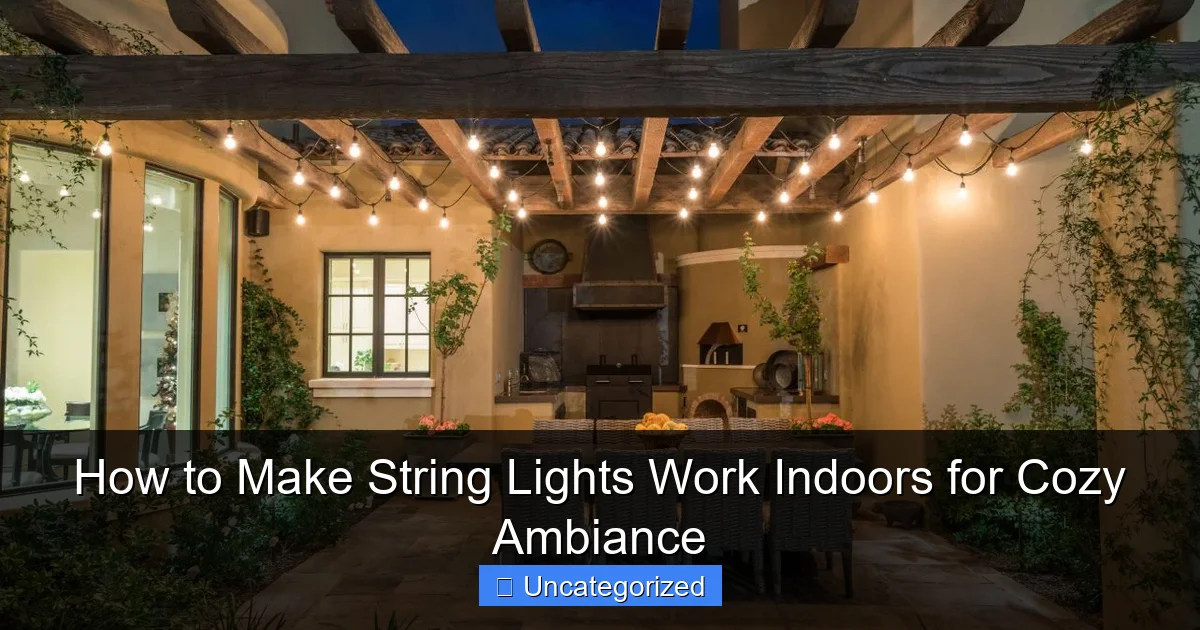
- For a rustic look, drape Edison-style bulbs from a wooden beam or exposed ceiling joists.
Keep the lights at least 30 inches above the table to avoid glare and ensure visibility during meals.
Along Shelves and Bookcases: Accent Lighting for Display
String lights can transform bookshelves into glowing display areas. Wrap them around the back edges or tuck them behind books and decor items. This technique:
- Highlights your favorite books, plants, or art pieces.
- Creates a “floating” effect for objects on open shelves.
- Adds visual interest without overwhelming the space.
Use mini fairy lights for subtlety or globe lights for a more modern look. Avoid over-lighting—too many bulbs can look cluttered.
On Windows and Mirrors: Framing the Glow
String lights around window frames or mirrors create a soft, ethereal effect. They reflect light, making rooms feel larger and more open. Try:
- Securing lights along the inner edge of a window frame with clear clips.
- Wrapping them around a mirror’s border to create a vanity-like glow (great for bathrooms or dressing areas).
- Using adhesive putty or removable hooks for a no-damage installation.
This is especially effective in living rooms or bedrooms with natural light during the day—the reflection adds a soft halo at night.
Ceiling Canopies and Floating Clouds
For a bold statement, create a “light canopy” by suspending multiple strands from the ceiling. Use:
- Ceiling hooks or adhesive ceiling mounts to anchor lights in a grid or radial pattern.
- Different lengths to create depth—longer strands in the center, shorter on the edges.
- Clear or white cords to minimize visual clutter.
This works beautifully in bedrooms, nurseries, or reading nooks. For a whimsical touch, add paper lanterns or sheer fabric between the lights.
Power Solutions and Safety: Ensuring Reliable and Secure Use
No matter how beautiful your string lights are, they’re useless (and potentially dangerous) if they’re not powered safely and reliably. Indoor use demands attention to power sources, cord management, and safety standards.
Outlet Access and Extension Cords
Always use grounded outlets for plug-in lights. If you’re far from an outlet, use a heavy-duty indoor extension cord rated for the total wattage of your lights. Never daisy-chain multiple extension cords—this can overload circuits and cause fires. Instead, use a power strip with surge protection. For a cleaner look, consider in-wall cord covers or raceways to hide cords along baseboards or walls.
Smart Power Management
Use timers or smart plugs to automate your lights. This ensures they turn on at dusk and off at bedtime, saving energy and enhancing convenience. For example, a smart plug can be programmed to turn on string lights at 6 PM and off at 10 PM, creating a consistent evening routine. Some models even integrate with voice assistants (Alexa, Google Home) for hands-free control.
Fire Safety and Heat Considerations
Even though LEDs run cool, safety is still critical. Follow these guidelines:
- Never cover string lights with fabric, paper, or insulation—this can trap heat.
- Avoid using damaged cords or frayed wires.
- Check for UL (Underwriters Laboratories) or ETL certification—this ensures the lights meet safety standards.
- Keep lights away from water sources (e.g., sinks, tubs) unless they’re specifically rated for damp locations.
For battery-powered lights, use lithium-ion or NiMH rechargeable batteries—they’re safer and last longer than alkaline.
Cord Concealment and Aesthetics
Visible cords can ruin the ambiance. Use these tricks to hide them:
- Route cords behind furniture (e.g., along the back of a sofa).
- Use cord clips or adhesive hooks to secure them to walls or baseboards.
- Paint cords to match the wall color (use fabric paint or tape).
- For ceilings, use clear cord clips or fishing line to make them nearly invisible.
For a seamless look, consider recessed outlets or in-wall power kits (best for permanent installations).
Style and Aesthetic: Matching String Lights to Your Decor
String lights should complement your interior design, not clash with it. The right style enhances the room’s theme, while the wrong one can look out of place. Here’s how to match lights to your decor:
Minimalist and Modern Spaces
In clean, contemporary rooms, opt for subtle, geometric lighting. Use:
- White or warm white globe lights in straight lines or grids.
- Thin, nearly invisible cords (e.g., 2mm diameter).
- Smart lights with app control for color temperature adjustment.
Example: A single strand of mini white lights running along the top edge of a floating shelf in a neutral-toned living room.
Bohemian and Eclectic Rooms
Bohemian spaces thrive on texture and color. Try:
- Colored or multicolored string lights (e.g., pastel pink, blue, or gold).
- Novelty shapes (stars, moons, or flowers).
- Layered lighting—combine string lights with floor lamps or candles.
Example: Drape a mix of fairy lights and beaded strands across a macramé wall hanging.
Farmhouse and Rustic Interiors
Warm, vintage-style lighting fits perfectly. Use:
- Edison-style bulbs with exposed filaments.
- Warm white or amber tones.
- Natural materials (e.g., twine-wrapped cords or wooden mounting hooks).
Example: Hang Edison bulbs from a wooden ceiling beam above a farmhouse dining table.
Industrial and Urban Lofts
Exposed bulbs and metal accents work well. Try:
- Black cord string lights with large, clear bulbs.
- Hanging lights from exposed pipes or brick walls.
- Geometric patterns (e.g., triangular or hexagonal clusters).
Example: Install a grid of black-corded lights above a concrete kitchen island.
Kids’ Rooms and Nurseries
Safety and whimsy are key. Use:
- Soft, warm white or pastel-colored lights.
- Novelty shapes (hearts, stars, animals).
- Battery-powered lights to avoid cords near beds.
Example: Create a “night sky” effect with star-shaped lights on the ceiling.
Advanced Techniques and Creative Ideas for Maximum Impact
Once you’ve mastered the basics, take your string lights to the next level with these advanced techniques and creative installations:
Layered Lighting for Depth
Combine string lights with other light sources to create dimension. For example:
- Use string lights behind a headboard (ambient) + a floor lamp (task) + candles (accent).
- In a living room, pair string lights with a dimmable ceiling fixture and table lamps.
This mimics professional lighting design and prevents flat, one-dimensional illumination.
Seasonal and Themed Installations
Change your lights with the seasons or for special occasions:
- Fall: Warm amber lights + orange/pumpkin-colored bulbs.
- Winter: Cool white or blue lights + snowflake shapes.
- Spring: Pastel colors + floral patterns.
- Summer: Bright white + nautical themes (e.g., anchor-shaped lights).
For parties, use smart lights to sync with music or create dynamic color shifts.
DIY Light Art and Canopies
Get creative with custom installations:
- Frame your favorite quote or name in lights using a wire outline and mini bulbs.
- Create a “light wall” by attaching lights to a pegboard or grid.
- Use sheer fabric (e.g., tulle or voile) to diffuse light and create a soft, glowing backdrop.
Example: For a wedding or anniversary, spell out “LOVE” in lights behind a bed or sofa.
Energy-Efficient and Eco-Friendly Options
Reduce your environmental impact:
- Choose solar-powered string lights (indoor models with a solar panel that can be placed near a window).
- Use rechargeable batteries and LED bulbs.
- Opt for lights with recyclable packaging and materials.
Data Table: Comparison of Indoor String Light Types
| Type | Power Source | Lifespan (Hours) | Energy Use | Best For | Cost Range |
|---|---|---|---|---|---|
| Warm White LED | Plug-in | 25,000–50,000 | Low | Bedrooms, living rooms | $15–$40 |
| Edison-Style LED | Plug-in | 20,000–30,000 | Low | Dining rooms, rustic decor | $25–$60 |
| Mini Fairy Lights | Battery | 10,000–20,000 | Very Low | Shelves, mirrors, crafts | $10–$25 |
| Smart RGB LED | Plug-in | 25,000–35,000 | Low | Tech lovers, parties | $30–$100+ |
| Novelty Shape Lights | Battery or Plug-in | 15,000–25,000 | Low | Kids’ rooms, holidays | $12–$35 |
Conclusion
String lights are more than just decorative accents—they’re powerful tools for shaping the mood, function, and aesthetic of your indoor spaces. By choosing the right type (LED, warm white, battery-powered), placing them strategically (behind headboards, above tables, along shelves), and prioritizing safety and style, you can create a cozy ambiance that enhances relaxation, connection, and comfort. Whether you prefer the subtle glow of fairy lights or the bold statement of Edison bulbs, there’s a string light solution for every room and design taste.
Remember, the key to success lies in intentionality. Don’t just hang lights randomly—think about how they interact with your furniture, color palette, and daily routines. Use smart plugs for automation, layer them with other light sources, and experiment with seasonal themes to keep your space feeling fresh and inviting year-round. With the tips and techniques in this guide, you’re not just lighting a room—you’re crafting an experience. So go ahead, plug in those lights, dim the overheads, and let the cozy glow begin. Your indoor oasis awaits.
Frequently Asked Questions
How do I hang string lights indoors without damaging walls?
Use removable adhesive hooks, tension rods, or command strips to secure your string lights without nails or screws. These options provide strong support while keeping walls intact, making them ideal for renters or delicate surfaces.
Can I use outdoor string lights indoors for a cozy ambiance?
Yes, outdoor-rated string lights are safe for indoor use and often more durable. Just ensure they’re UL-listed for indoor/outdoor use and match your desired brightness and color temperature for the perfect indoor string lights vibe.
What’s the best way to power string lights in rooms with few outlets?
Use extension cords or power strips to reach distant outlets, or opt for battery-operated string lights for flexible placement. For a cleaner look, hide cords under rugs or along baseboards.
How can I style string lights to make my indoor space look cozy?
Drape them along headboards, wrap them around stair railings, or frame windows and mirrors for a warm glow. Layer with sheer curtains or weave through plants to amplify the cozy ambiance.
Are LED string lights safe for continuous indoor use?
Absolutely—LEDs generate minimal heat and consume less energy, making them safe for extended use. Just avoid covering them with flammable materials to ensure proper ventilation.
How do I fix flickering or non-working string lights?
Check for loose bulbs, damaged sockets, or a faulty plug. For plug-in lights, test the outlet with another device; for battery-powered ones, replace batteries or ensure contacts are clean.