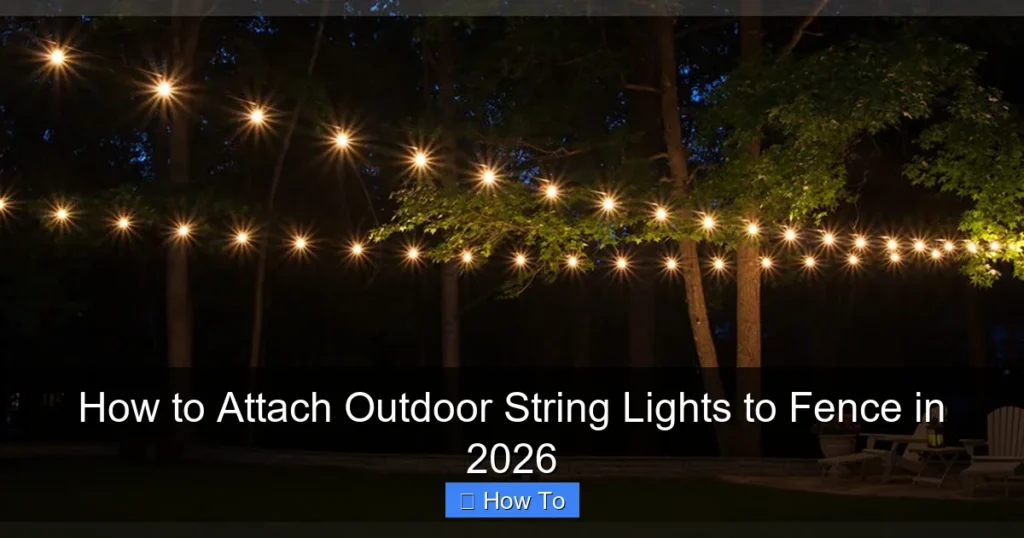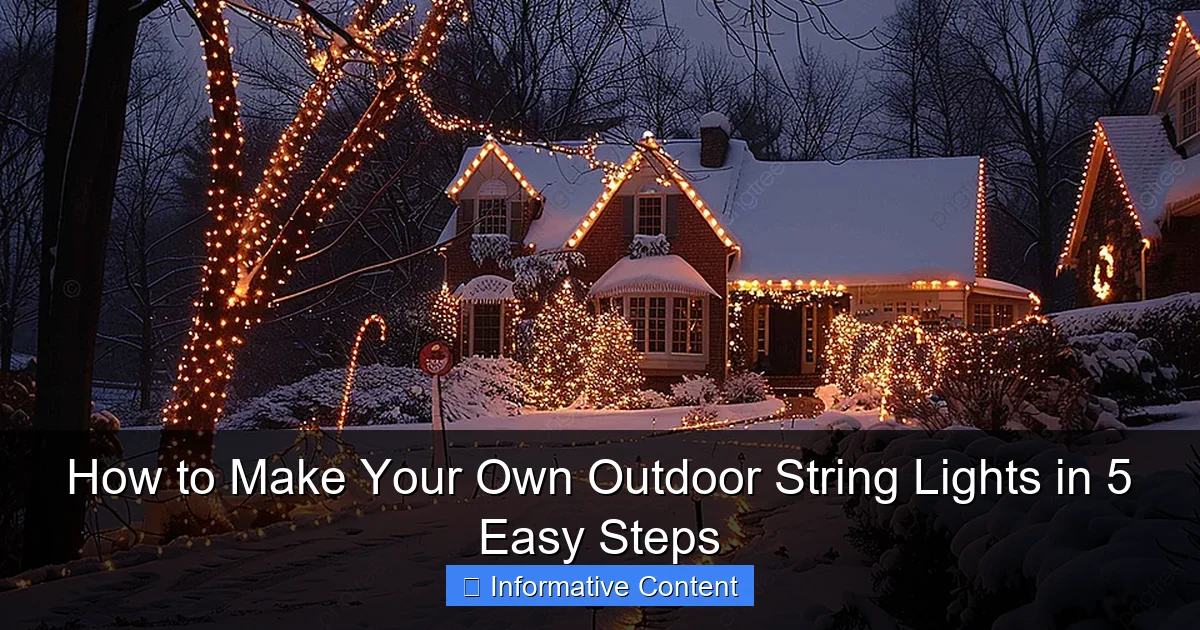
Featured image for how to make your own outdoor string lights
Image source: png.pngtree.com
Transform your outdoor space with DIY string lights in just 5 simple steps—no electrician needed. Choose weather-resistant bulbs, hang durable wire or cable, and connect a timer for effortless ambiance that saves money and adds charm. Perfect for patios, gardens, or balconies, this easy project delivers professional results in under an hour.
Key Takeaways
- Plan your layout first: Measure space and sketch light placement for a seamless design.
- Choose weatherproof materials: Use IP65-rated bulbs and cables for long-lasting outdoor use.
- Secure mounting hardware: Install hooks or clips every 12–16 inches to prevent sagging.
- Connect safely: Use waterproof connectors and outdoor-rated extension cords to avoid hazards.
- Test before finalizing: Check each bulb and connection before permanent installation.
- Add a timer or dimmer: Enhance ambiance and save energy with automated controls.
📑 Table of Contents
- How to Make Your Own Outdoor String Lights in 5 Easy Steps
- Step 1: Plan Your Outdoor String Light Layout
- Step 2: Choose the Right Materials & Tools
- Step 3: Assemble the String Light Circuit
- Step 4: Hang & Test Your String Lights
- Step 5: Power, Protect & Enjoy
- Data: Comparing DIY vs. Store-Bought String Lights
- Conclusion: Light Up Your Space, Your Way
How to Make Your Own Outdoor String Lights in 5 Easy Steps
Picture this: a warm summer evening, the sun dipping below the horizon, and your backyard transformed into a magical oasis—glowing with soft, twinkling lights strung between trees, across a pergola, or along a fence. There’s something undeniably enchanting about outdoor string lights. They’re not just about illumination; they’re about mood, ambiance, and making memories. I remember the first time I hung up my own set—I felt like I’d unlocked a secret to turning any outdoor space into a cozy retreat.
But here’s the thing: buying pre-made outdoor string lights can get expensive, especially if you want a custom look or a long run. And while store-bought options are convenient, they often come with limitations—fixed lengths, limited bulb choices, or styles that don’t quite match your vision. That’s why I’ve fallen in love with making my own. It’s easier than you think, surprisingly affordable, and gives you total creative freedom. Whether you’re lighting up a small balcony or a sprawling backyard, how to make your own outdoor string lights is a skill worth mastering. In this guide, I’ll walk you through five simple steps, from planning to powering up, so you can create a custom lighting setup that’s uniquely yours.
Step 1: Plan Your Outdoor String Light Layout
Before you grab a single wire or bulb, take a moment to plan your outdoor string light layout. This is the foundation of a successful project. A little foresight now will save you from headaches later—like running out of wire, overloading circuits, or realizing your lights don’t reach where you need them.
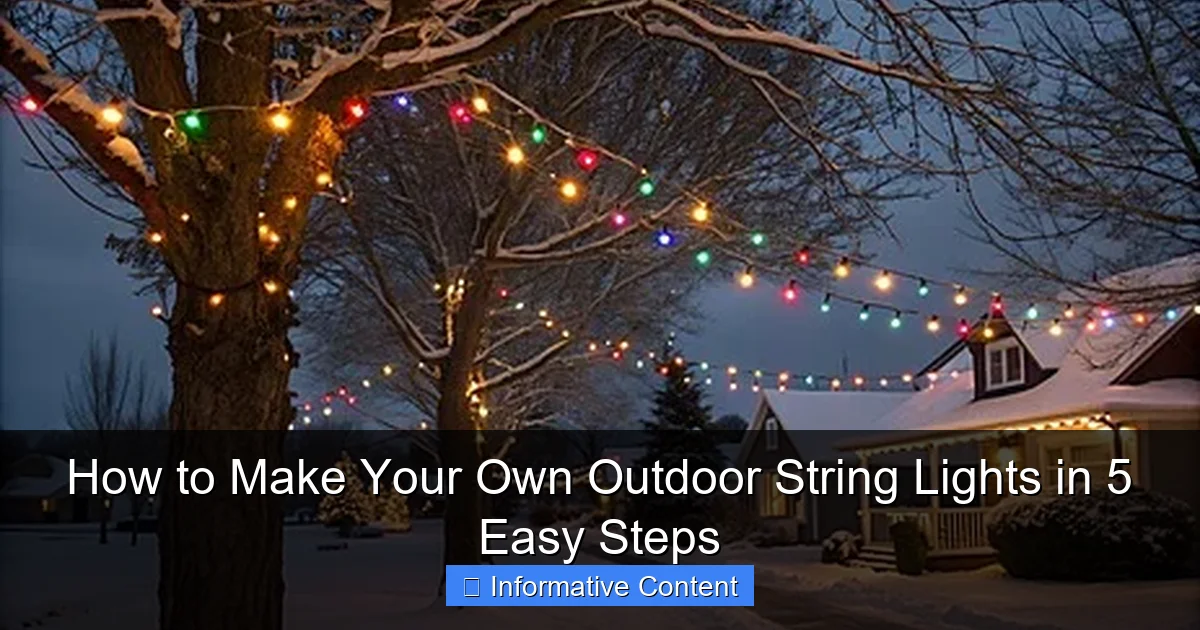
Visual guide about how to make your own outdoor string lights
Image source: png.pngtree.com
Sketch Your Space
Grab a piece of paper or use a simple app (I love using a free floor planner tool on my phone). Draw a rough sketch of your outdoor area, marking key features: trees, railings, pergolas, walls, or posts. Then, sketch where you’d like the lights to go. Think about:
- Where you want the glow to be strongest (e.g., over a dining table or lounge area)
- How the lights will connect—do they need to zigzag between trees? Wrap around a post?
- Where your power source will be (outdoor GFCI outlet)
For example, in my backyard, I wanted lights to run from the back porch to a large oak tree, then drape down to a hammock area. I sketched it with dotted lines to show the path, and noted the total length: about 40 feet. This helped me buy the right amount of cable.
Measure Twice, Buy Once
Once you’ve sketched, measure the actual distances with a tape measure or a measuring wheel. Add 10–15% extra for slack, curves, and securing points. For instance, a 30-foot run might need 33–35 feet of cable. This buffer prevents tension that could damage connectors or pull bulbs loose.
Also, consider how you’ll anchor the lights. Will you use:
- U-hooks or screw eyes in wood?
- Adhesive clips for vinyl or metal?
- Zip ties for temporary setups?
I learned this the hard way: my first attempt used flimsy plastic clips on a wooden fence. A gust of wind knocked half the string down. Now I use heavy-duty screw eyes—they’re cheap, secure, and last years.
Power Source & Safety First
Locate your nearest outdoor GFCI (Ground Fault Circuit Interrupter) outlet. These are designed for safety outdoors and will cut power if there’s a short circuit. Never use indoor extension cords outside—they’re not weatherproof and pose serious risks.
Calculate the total wattage of your lights (we’ll cover this in Step 3). Most outdoor outlets support up to 15–20 amps (1800–2400 watts). If you’re running multiple strings, use a wattage calculator or consult an electrician to avoid overloading.
Step 2: Choose the Right Materials & Tools
Now that you’ve planned, it’s time to gather your supplies. The good news? Most of what you need is affordable and available at hardware stores or online. Here’s what to look for.
Outdoor-Ready String Light Cable
This is the backbone of your project. Look for outdoor-rated, weatherproof cable with these features:
- Jacket material: UV-resistant, flexible rubber or PVC (e.g., SJTW or SJTOW rated)
- Wire gauge: 16–18 AWG (lower numbers = thicker wire, better for long runs)
- Length: Match your measured + buffer (e.g., 40 feet for a 35-foot run)
I use 18 AWG SJTW cable from a reputable brand. It’s held up through rain, snow, and summer heat for 3+ years. Avoid thin, cheap “indoor” cables—they’ll crack or fray.
Bulbs & Sockets
You have two options: buy pre-wired sockets or assemble your own.
- Pre-wired sockets: Sold in kits with sockets already attached to wire. Easy for beginners, but limited customization.
- Loose sockets: Buy sockets, wire, and connectors separately. More work, but you choose bulb spacing, socket type, and wire length.
For DIY flexibility, I recommend loose sockets. Look for:
- Socket type: Candelabra (E12) or medium (E26) base, depending on bulb size
- Weatherproofing: Rubber gaskets or silicone seals to keep moisture out
- Spacing: 12–24 inches between sockets (closer = brighter, more bulbs)
Pro tip: Buy 10–20% extra bulbs. They’ll burn out eventually, and matching replacements can be tricky years later.
Essential Tools
You’ll need:
- Wire strippers: For removing insulation without damaging wire
- Needle-nose pliers: For twisting wires and securing connectors
- Drill & bits: For installing hooks or clips
- Voltage tester: To confirm power is off before working
- Measuring tape & marker: For spacing sockets
Optional but helpful: a heat gun (for heat-shrink tubing) or waterproof electrical tape.
Step 3: Assemble the String Light Circuit
This is the “heart” of your project: connecting the sockets to the cable so electricity flows safely. Don’t worry—it’s easier than it sounds. Just follow these steps carefully.
Cut & Strip the Cable
Cut your main cable to the total length (e.g., 40 feet). Strip about 1/2 inch of insulation from each end. If you’re using loose sockets, you’ll also need to cut “feeder” wires—short pieces (6–12 inches) that run from the main cable to each socket.
For example, if you want 10 sockets, cut 10 feeder wires. Strip both ends of each feeder wire.
Create the “Daisy Chain”
Outdoor string lights are wired in a series-parallel circuit. Here’s how it works:
- The main cable runs continuously from the plug to the end.
- At each socket location, you’ll “tap” into the main cable’s two wires (hot and neutral).
- Each socket connects to one hot and one neutral wire from the main cable, creating a parallel branch.
Steps:
- Mark where each socket will go on the main cable (e.g., every 3 feet).
- At each mark, carefully slice the main cable’s outer jacket (don’t cut the inner wires!).
- Separate the two inner wires (usually black/hot and white/neutral) and strip 1/2 inch of insulation.
- Take a feeder wire and connect it to the hot wire (black) using a waterproof wire nut or screw terminal. Repeat for the neutral wire (white).
- Repeat for all sockets.
Example: I made a 30-foot string with 15 sockets. I used 18 AWG feeder wires and heat-shrink tubing over each connection. The result? No shorts, even in heavy rain.
Secure & Waterproof
After connecting all sockets:
- Wrap each connection with waterproof electrical tape (overlap 50% with each layer).
- Use heat-shrink tubing for extra protection (slide it on before connecting, then shrink with a heat gun).
- Secure the feeder wires to the main cable with zip ties or tape to reduce strain.
Caution: Test the circuit before finalizing (see Step 4). Fixing a short after hanging is a nightmare!
Step 4: Hang & Test Your String Lights
Now comes the fun part—hanging your creation! But don’t rush. Take your time to ensure safety and longevity.
Install Anchors
Install your chosen anchors (screw eyes, hooks, clips) along the planned path. For wood, use 1–2 inch screws. For masonry, use masonry anchors and a drill. Space anchors every 3–4 feet to prevent sagging.
Pro tip: If hanging between trees, use tree-safe hangers (like rubber-coated hooks) to avoid damaging bark. I use adjustable “tree hugger” straps for flexibility.
Hang the Lights
Start at the power source end. Attach the main cable to the first anchor, then work your way along the path. Don’t pull tight—leave a slight “drape” for wind movement and bulb access.
For sockets:
- Attach each socket to its anchor (use the socket’s built-in loop or a zip tie).
- Ensure bulbs face the desired direction (e.g., downward for a “canopy” effect).
Example: My pergola lights have sockets facing down, creating a cozy glow over the table. The slight drape (about 6 inches) lets the lights sway gently in the breeze.
Test the Circuit
Before plugging in, use a voltage tester on the main cable ends. Confirm:
- No short circuits (no continuity between hot and neutral wires).
- Continuity in each branch (socket connections are complete).
Then, plug in and turn on. If all bulbs light up, celebrate! If not:
- Check for loose connections or burnt-out bulbs.
- Use a bulb tester to identify faulty bulbs.
- Inspect for moisture in sockets (a common culprit).
I once had a string that flickered. Turns out, a tiny crack in the main cable’s jacket let water in. I resealed it with heat-shrink tubing—problem solved!
Step 5: Power, Protect & Enjoy
You’ve built and hung your lights. Now, keep them shining for years with smart power management and protection.
Use a Timer or Smart Plug
Never leave outdoor lights on all night. Use a timer or smart plug to automate on/off times. I use a dusk-to-dawn sensor that turns lights on at sunset and off at midnight. It saves energy and extends bulb life.
For smart homes: Pair with Alexa or Google Assistant for voice control. “Hey Google, turn on the backyard lights!” feels like magic.
Weatherproof & Maintain
To protect your investment:
- Inspect monthly: Check for frayed wires, loose connections, or water in sockets.
- Clean bulbs: Wipe with a dry cloth to remove dust or bugs.
- Store properly: In winter, take down lights and store in a dry place. Wrap loosely to avoid kinks.
For extreme climates: Use outdoor-rated surge protectors to guard against lightning or power spikes. I lost a string to a thunderstorm once—now I use a heavy-duty protector.
Upgrade Options
Once you’ve mastered the basics, try:
- Color-changing LEDs: For parties or holidays
- Solar-powered strings: For off-grid areas (no wiring needed)
- Custom shapes: Heart, star, or globe bulbs for a unique look
My latest project? A “starry sky” effect with micro-LEDs embedded in a mesh canopy. It’s breathtaking at night.
Data: Comparing DIY vs. Store-Bought String Lights
| Feature | DIY Outdoor String Lights | Store-Bought Outdoor String Lights |
|---|---|---|
| Cost (30-ft, 15 bulbs) | $40–$70 | $60–$120 |
| Customization | High (choose length, spacing, bulbs, color) | Low (fixed options) |
| Durability | High (with quality materials) | Medium (varies by brand) |
| Time to Install | 4–6 hours (first time) | 1–2 hours |
| Repairability | Easy (replace bulbs, wires, sockets) | Hard (often need to replace entire string) |
| Best For | Custom designs, long runs, budget-conscious | Quick setup, beginners, short-term use |
Conclusion: Light Up Your Space, Your Way
Making your own outdoor string lights isn’t just about saving money—it’s about creating something personal. Every time I flip the switch and see my custom lights glow, I feel a little pride. It’s a reminder that with a few tools, some planning, and a bit of patience, you can transform your outdoor space into a sanctuary.
Remember, how to make your own outdoor string lights is a skill that grows with you. Start simple, learn from mistakes (we all have them!), and don’t be afraid to experiment. Maybe your next project is solar-powered fairy lights in the garden, or color-changing LEDs for a holiday display. The possibilities are endless.
So grab your tools, sketch your dream layout, and let there be light. Your backyard oasis is waiting.
Frequently Asked Questions
How do I choose the right bulbs for DIY outdoor string lights?
Opt for weatherproof, LED bulbs with an IP65 or higher rating to ensure durability in outdoor conditions. Consider warm white or Edison-style bulbs for a cozy ambiance, and make sure they’re compatible with your chosen string light base. Using energy-efficient LEDs will also reduce long-term costs.
What materials do I need to make my own outdoor string lights?
You’ll need a weather-resistant string light base (like an SPT-2 cord), waterproof bulbs, a plug, and optional accessories like clips or zip ties for installation. Don’t forget wire cutters, a screwdriver, and electrical tape for assembly. These materials are widely available at hardware stores or online.
Can I make solar-powered outdoor string lights?
Yes! Replace the traditional plug with a solar panel kit designed for string lights, ensuring the panel receives direct sunlight. Solar-powered DIY outdoor string lights are eco-friendly and eliminate the need for electrical outlets, but they may be dimmer than wired options.
How do I safely install DIY outdoor string lights?
Use insulated hooks or zip ties to secure lights along railings, fences, or trees, keeping cords away from high-traffic areas. Ensure all connections are waterproofed with silicone or electrical tape, and avoid overloading circuits if using a plug-in design.
Are homemade outdoor string lights weatherproof?
If assembled correctly with weatherproof components and sealed connections, your DIY outdoor string lights can withstand rain, snow, and humidity. Always double-check bulb and cord ratings before installation to prevent damage or safety hazards.
How long does it take to make your own outdoor string lights?
With pre-purchased materials, you can complete this project in under 2 hours. The process involves attaching bulbs, securing the plug, and testing—making it a perfect weekend DIY for beginners looking to add charm to their outdoor space.