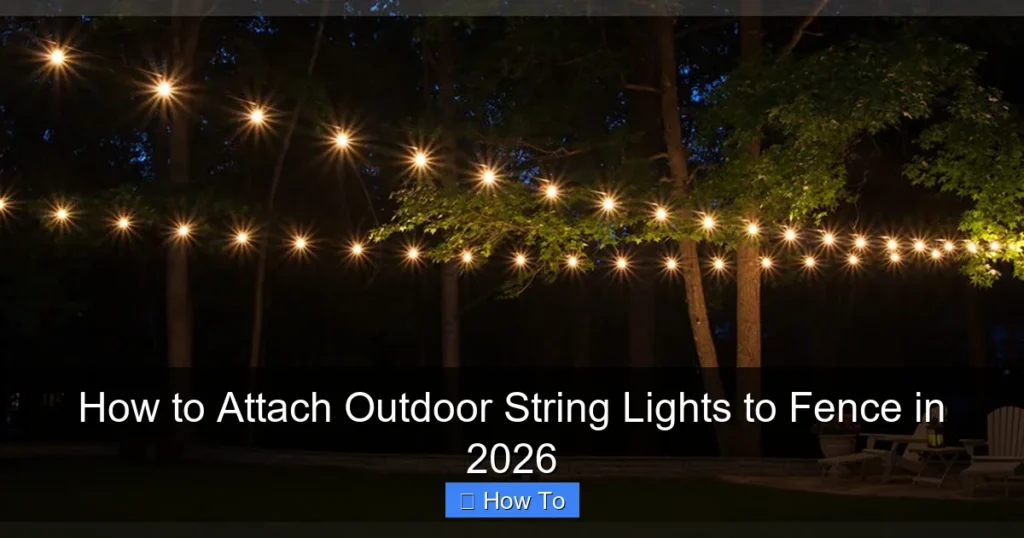
Featured image for how to put up outdoor string lights without damage
Image source: homeguideshop.com
Hang outdoor string lights without damage using removable adhesive hooks or tension rods—no nails, screws, or drilling required. Choose weather-resistant, low-profile mounting solutions like gutter clips or zip ties to preserve your home’s exterior while achieving a professional look. These easy, renter-friendly methods ensure bright, beautiful lighting that’s safe to install and remove in minutes.
Key Takeaways
- Use adhesive hooks: Choose damage-free, removable hooks for easy installation and removal.
- Opt for tension rods: Ideal for porches or patios with no drilling required.
- Clip lights to gutters: Use gutter clips to avoid nails or screws in siding.
- Try magnetic mounts: Secure lights on metal surfaces without adhesives or tools.
- Anchor with planters: Wrap lights around weighted planters for freestanding stability.
- Measure spacing first: Pre-plan light placement to avoid overpulling or uneven tension.
📑 Table of Contents
- Why Outdoor String Lights Are a Game-Changer for Your Space
- 1. Assess Your Space and Lighting Needs
- 2. Choose the Right Mounting Hardware (No Nails Required!)
- 3. Install Without Damaging Your Home’s Exterior
- 4. Creative and Damage-Free Lighting Ideas
- 5. Maintain and Remove Lights Safely
- 6. Troubleshooting Common Issues
- Data Table: Recommended Hardware for Different Surfaces
- Final Thoughts: Enjoy the Glow, Not the Damage
Why Outdoor String Lights Are a Game-Changer for Your Space
There’s something magical about outdoor string lights. Whether you’re hosting a backyard barbecue, enjoying a quiet evening under the stars, or just want to make your patio feel more inviting, these twinkling lights instantly transform any space. I remember the first time I strung up lights in my backyard—it felt like I’d created a whole new room outside. The soft glow, the cozy ambiance, the way it made even the simplest moments feel special… it was love at first sight.
But here’s the catch: putting up outdoor string lights without damage can be tricky. I’ve made my fair share of mistakes—drilling into stucco, using nails that rust, or leaving marks on my wooden deck. And let’s be honest, nobody wants to ruin their home’s exterior just for some pretty lights. That’s why I’ve spent years testing, researching, and refining the best ways to install outdoor string lights without causing permanent damage. In this guide, I’ll walk you through everything you need to know—from choosing the right hardware to creative placement ideas—so you can enjoy the glow without the guilt.
1. Assess Your Space and Lighting Needs
Start with a Clear Plan
Before you even pick up a ladder, take a good look at your space. Ask yourself: Where do I want the lights? What kind of mood am I going for? How long do I plan to keep them up? These questions will guide your decisions on placement, type of lights, and installation method.

Visual guide about how to put up outdoor string lights without damage
Image source: themprojects.com
For example, if you want to create a romantic dining nook on your patio, you might drape lights overhead in a canopy. If you’re lighting a pathway, you’ll need a different approach. Sketch a rough layout on paper or use a garden hose to simulate where the lights will go. This “dry run” helps you visualize the final result and avoid costly mistakes.
Measure Twice, Install Once
Grab a tape measure and record the distances between mounting points. Most outdoor string lights come in 25- to 100-foot lengths, so knowing your space helps you buy the right amount. Pro tip: Add 10% extra to your measurement for draping, slack, or curves. You don’t want to run out of lights halfway through!
Also, consider the power source. Are you near an outdoor outlet? If not, you may need an extension cord rated for outdoor use. Make sure it’s long enough and placed safely to avoid tripping hazards or water exposure.
Think About Light Type and Brightness
Not all string lights are created equal. LED lights are energy-efficient, long-lasting, and cool to the touch—perfect for outdoor use. Incandescent bulbs give a warmer glow but use more power and burn out faster. Choose based on your aesthetic and practical needs.
Brightness is measured in lumens. For ambient lighting (like over a seating area), 100–300 lumens per bulb is ideal. For task lighting (like a grill zone), go brighter—400+ lumens. And don’t forget: dimmable lights give you flexibility for different moods.
2. Choose the Right Mounting Hardware (No Nails Required!)
Adhesive Hooks: The Gentle Option
If you’re renting or just hate drilling holes, adhesive hooks are your best friend. Look for ones rated for outdoor use—they’re designed to withstand sun, rain, and temperature changes. Brands like 3M and Command make strong, weather-resistant hooks that hold up well.
For example, the 3M Outdoor Heavy Duty Hook can support up to 5 pounds and works on smooth surfaces like vinyl siding, painted wood, or metal. Just clean the surface with rubbing alcohol, let it dry, and press the hook on firmly. Wait 24 hours before hanging your lights—this ensures the adhesive bonds properly.
One caveat: adhesive hooks may not work on rough or textured surfaces (like stucco or brick). They also lose strength over time, especially in extreme weather. So if you plan to keep lights up year-round, consider a more permanent solution.
Clips and Clamps: Versatile and Reusable
Outdoor-rated clips are a fantastic middle ground. They grip surfaces without nails or adhesive, making them perfect for decks, fences, gutters, and railings. I love using plastic or silicone-coated clips—they’re gentle on wood and won’t rust.
For instance, the Gardman Gutter Hooks slide right into your roof’s gutter and hold lights securely. They’re adjustable, so they fit different gutter sizes, and they come off easily when the season changes. Similarly, deck rail clips attach to wooden or metal rails and let you drape lights along the edge of your patio.
These clips are reusable, which saves money and reduces waste. Just store them in a dry place during the off-season.
Stakes and Ground Anchors: For Open Spaces
If you’re lighting a yard, garden, or pathway, ground-mounted stakes are a great option. These are metal or plastic poles that you hammer into the soil, then attach your lights to the top. They’re especially useful for creating “canopy” lighting between trees or poles.
For example, the Gardman Light Stakes are 36 inches tall and come with built-in hooks. You can space them every 8–10 feet for a balanced look. Just make sure to avoid underground utilities (call 811 before digging in the U.S. or your local equivalent).
Pro tip: Use a rubber mallet to gently tap the stakes in—this prevents bending and keeps them straight.
3. Install Without Damaging Your Home’s Exterior
Use Existing Structures (They’re Already There!)
One of the easiest ways to avoid damage is to use what you already have. Trees, fences, pergolas, and railings are natural mounting points—and they don’t require extra hardware. Just wrap the lights gently around tree trunks or drape them along fence posts.
For trees, use tree-friendly ties (like soft rubber straps) instead of wire or twine, which can cut into bark. Leave some slack so the tree can grow. For fences, use the clips we mentioned earlier—they hold tight without screws.
I once strung lights between two maple trees in my yard using rubber ties. It took 20 minutes, and when I took them down in the fall, the bark was perfectly intact. No scars, no damage—just happy trees.
Go the Gutter Route (Safely)
Gutters are a popular spot for string lights, but you need the right tools to avoid bending or denting them. Avoid using nails or screws—they can cause leaks or structural damage.
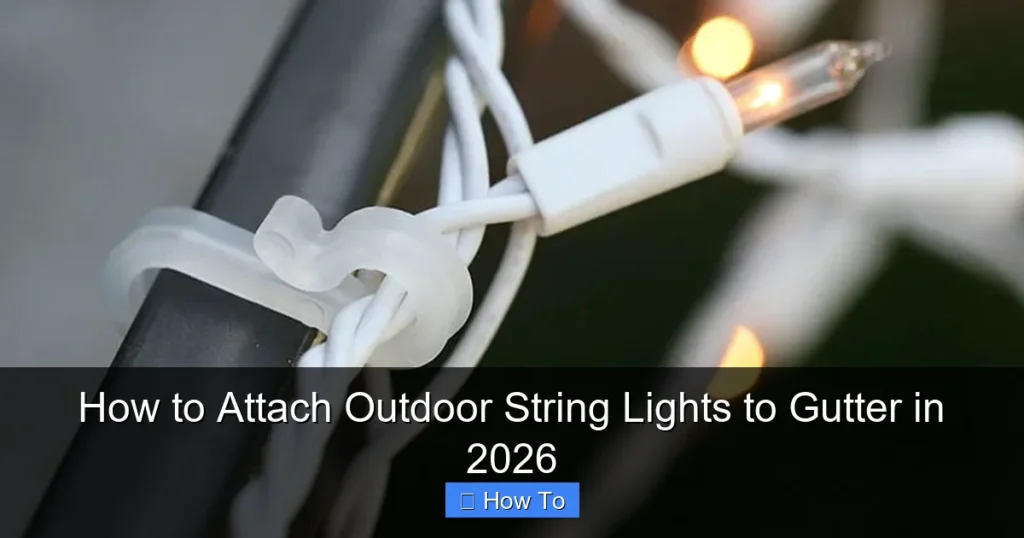
Instead, use gutter hooks or clips that slide into the front lip of the gutter. They grip securely without puncturing the metal. I’ve used these on my own home for three years, and my gutters are still leak-free.
One warning: don’t overload the gutter. Too many lights or heavy strands can weigh it down, especially in rain or snow. Stick to one strand per 10–15 feet of gutter.
Protect Your Roof and Eaves
Never nail or screw into your roof, eaves, or fascia boards. These areas are vulnerable to water damage, and even small holes can lead to leaks. If you want to run lights along the roofline, use roof clips designed for shingles or metal roofs.
For example, shingle clips hook under the edge of each shingle, holding the light strand without drilling. They’re adjustable and work on most roof types. For metal roofs, look for magnetic clips—they attach securely without adhesives.
And remember: always check with your homeowner’s insurance or landlord before making any changes. Some policies require approval for exterior modifications.
4. Creative and Damage-Free Lighting Ideas
Create a Canopy with Trees or Poles
Want that “fairy tale” vibe? Create a canopy by stringing lights between two trees or poles. Use turnbuckles or tensioners to keep the strand taut. This prevents sagging and reduces strain on the mounting points.
For example, I once set up a canopy over my patio using two metal poles (anchored with ground stakes) and a 50-foot LED strand. I attached the lights to the poles with carabiners for easy removal. It looked like a professional job—and cost under $30 in hardware.
Light Up Your Deck or Patio Railing
Deck railings are perfect for string lights. Use rail clips to attach the strand without screws. You can run the lights horizontally along the top rail or vertically down the posts for a unique look.
One of my favorite tricks: weave the lights through the railing spindles. It creates a crisscross pattern that looks amazing at night. Just make sure the lights don’t block the railing’s function (like holding a drink or leaning on it).
Highlight Pathways and Staircases
Pathway lighting isn’t just pretty—it’s safe. Use solar-powered ground stakes or low-voltage LED strips along walkways. For stairs, attach lights to the handrail with clips or adhesive strips.
I used solar stakes along my garden path last summer. They charged during the day and lit up automatically at dusk. No wiring, no damage, and they lasted all season. Plus, they’re easy to move if I want to change the layout.
5. Maintain and Remove Lights Safely
Seasonal Maintenance Tips
Even the best-installed lights need care. Check them every few weeks for:
- Loose hardware (tighten or replace as needed)
- Frayed wires or broken bulbs (replace immediately)
- Water damage (dry out connections and use waterproof covers)
During storms, unplug the lights and bring them inside if possible. High winds can snap strands or pull out hooks.
How to Remove Without Leaving Marks
When it’s time to take down the lights, do it carefully. For adhesive hooks, use a hairdryer to warm the adhesive—this makes it easier to peel off. Gently roll the hook away from the surface to avoid residue.
For clips and stakes, simply unhook or pull them out. If you used rubber ties on trees, cut them with scissors (don’t pull—it can damage bark). Store all hardware in a labeled bin so it’s ready for next year.
I once left adhesive hooks up all winter. When I removed them in spring, they came off cleanly—no sticky residue or paint damage. That’s the power of using the right tools!
6. Troubleshooting Common Issues
“My Lights Keep Falling Down”
If your lights keep slipping, it’s usually a hardware mismatch. Adhesive hooks may not be strong enough for heavy strands. Try switching to outdoor-rated clips or adding a second hook for support.
For gutters, make sure the clips are the right size. If they’re too loose, they’ll slide out. If too tight, they can bend the gutter. Test a few before installing the whole strand.
“The Lights Are Too Dim or Too Bright”
Adjust the spacing between bulbs. For a brighter look, hang the strand closer to the ground or use multiple strands. For softer lighting, drape them higher or use frosted bulbs.
You can also layer different types of lights. For example, pair string lights with solar lanterns for a balanced glow.
“Water Got Into the Connections”
Outdoor lights should be IP44 or higher rated for water resistance. If water gets in, unplug the lights and dry them thoroughly. Use silicone sealant on connections for extra protection.
Always plug into a GFCI outlet (or use a GFCI adapter) to prevent shocks.
Data Table: Recommended Hardware for Different Surfaces
| Surface Type | Recommended Hardware | Weight Limit | Removal Difficulty |
|---|---|---|---|
| Painted Wood (Deck, Fence) | Plastic Clips, Adhesive Hooks | 3–5 lbs | Easy |
| Stucco or Brick | Adhesive Hooks (Heavy Duty), Ground Stakes | 2–4 lbs | Medium (adhesive) |
| Vinyl Siding | Adhesive Hooks, Gutter Hooks | 4–6 lbs | Easy |
| Metal (Roof, Railings) | Magnetic Clips, Rail Clips | 5–8 lbs | Very Easy |
| Soil (Yard, Garden) | Ground Stakes, Light Poles | 10+ lbs | Easy |
Final Thoughts: Enjoy the Glow, Not the Damage
Putting up outdoor string lights doesn’t have to mean drilling holes, leaving marks, or risking your home’s integrity. With the right approach, you can create a stunning, inviting space that’s as kind to your walls as it is to your mood.
Remember: plan first, use the right hardware, and think creatively. Whether you’re wrapping a tree, clipping to a railing, or staking into the ground, there’s a damage-free solution for every space. And when the season changes, take your time removing the lights—this keeps your hardware reusable and your home pristine.
So go ahead, string those lights, pour yourself a drink, and enjoy the magic. Because the best moments happen when you’re surrounded by light—and peace of mind.
Frequently Asked Questions
How can I hang outdoor string lights without damaging my walls or siding?
Use adhesive hooks, removable mounting strips, or tension rods designed for outdoor use. These options provide sturdy support while leaving minimal to no marks on surfaces when removed properly.
What are the best damage-free methods to install outdoor string lights on a patio?
Opt for freestanding poles, shepherd’s hooks, or clamp-on fixtures that attach to railings or furniture. These methods avoid drilling or nailing, making them ideal for patios and rental spaces.
Can I use nails or screws to put up outdoor string lights without causing damage?
While nails and screws are secure, they create permanent holes. Instead, try how to put up outdoor string lights without damage using gutter clips, magnetic hooks, or zip ties on existing structures like fences or pergolas.
How do I hang string lights on stucco or brick without drilling?
Use outdoor-rated adhesive clips or hooks specifically designed for textured surfaces. Alternatively, anchor lights to nearby trees, poles, or furniture to bypass drilling into stucco or brick entirely.
Are there temporary solutions for hanging outdoor string lights for events?
Yes! Use portable weighted bases, freestanding arches, or zip ties to attach lights to existing structures like fences or railings. These are easy to set up and remove after your event.
What tools can help me install outdoor string lights without damaging gutters or eaves?
Use gutter hooks, S-hooks, or specialized clips that grip the edge of gutters or eaves. These tools hold lights securely without screws or adhesives, aligning with how to put up outdoor string lights without damage principles.