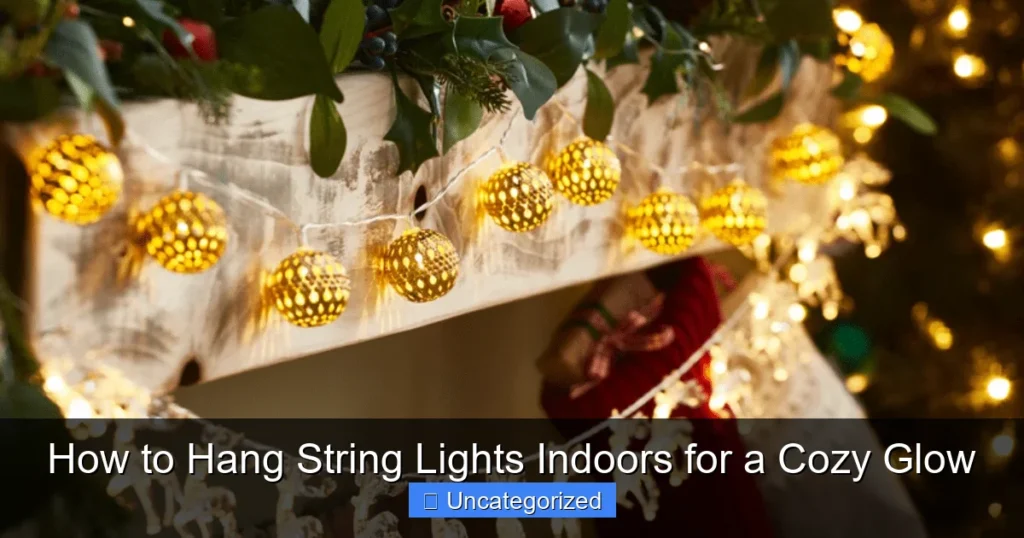
Featured image for what do i use to hang string lights indoors
Use adhesive hooks, removable clips, or tension rods to hang string lights indoors without damaging walls—these tools offer a secure, renter-friendly solution for creating a warm, inviting ambiance. For longer spans or heavier lights, combine with picture ledges or ceiling-mounted hardware to ensure even lighting and a polished, professional look.
Key Takeaways
- Use adhesive hooks: Ideal for renters; no drilling required.
- Try tension rods: Hang lights instantly between walls or windows.
- Opt for removable clips: Secure lights without damaging surfaces.
- Choose LED string lights: Energy-efficient and safe for indoor use.
- Plan your layout first: Measure space to avoid excess or shortage.
- Mix lighting layers: Combine with lamps for balanced ambiance.
📑 Table of Contents
- The Magic of Indoor String Lights: Setting the Mood Right
- Understanding Your Space: Assessing Walls, Ceilings, and Layout
- Top Tools and Hardware for Hanging String Lights Indoors
- Creative and Decorative Hanging Methods
- Safety and Practical Considerations
- Data Table: Recommended Hardware by Surface and Weight
- Conclusion: Crafting Your Perfect Indoor Ambiance
The Magic of Indoor String Lights: Setting the Mood Right
There’s something undeniably enchanting about the soft, warm glow of string lights draped across a room. Whether you’re creating a cozy reading nook, a romantic dinner setting, or a festive atmosphere for a gathering, indoor string lights have the power to transform any space into something magical. But while the end result may look effortless, achieving that perfect ambiance requires thoughtful planning and the right tools. One of the most common questions homeowners and decorators ask is: what do I use to hang string lights indoors? The answer isn’t one-size-fits-all—it depends on your wall or ceiling material, the weight of the lights, the desired aesthetic, and how permanent or temporary you want the installation to be.
From renters seeking damage-free solutions to homeowners wanting a polished, professional look, there are countless ways to hang string lights indoors. The key is to balance practicality, safety, and visual appeal. In this comprehensive guide, we’ll explore the best tools, materials, and techniques for hanging string lights indoors, ensuring your space radiates warmth and charm without sacrificing functionality. Whether you’re working with drywall, wood, concrete, or even fabric, you’ll discover methods tailored to your needs—plus insider tips to avoid common pitfalls. Let’s dive into the world of indoor lighting and uncover how to create that dreamy glow with confidence and style.
Understanding Your Space: Assessing Walls, Ceilings, and Layout
Identify Wall and Ceiling Materials
Before you even pick up a hammer or adhesive strip, the first step in hanging string lights indoors is to assess your space. The type of surface you’re working with—drywall, plaster, wood, concrete, or brick—will determine the best hanging method. For example, drywall and plaster are fragile and prone to damage from heavy anchors or improper nails. In contrast, wooden beams or paneling can support screws and hooks more easily, while concrete or brick walls require masonry-specific hardware like concrete anchors or toggle bolts.
Here’s a quick breakdown of common indoor surfaces and their compatibility with hanging tools:
- Drywall: Best suited for lightweight solutions (adhesive hooks, tension rods, or removable clips). Avoid large screws or anchors unless you’re willing to patch holes later.
- Wood: Ideal for screws, cup hooks, or picture rail hooks. You can even use small finishing nails for a rustic look.
- Concrete/Brick: Requires masonry drill bits, anchors, or specialized adhesive mounts rated for heavy loads.
- Plaster: Similar to drywall but often more brittle. Use caution with any penetration; opt for adhesive-based solutions when possible.
- Ceiling Joists (exposed): A dream for lighting installations—use eye hooks or S-hooks to hang lights securely.
Measure and Plan the Layout
Once you know your surface type, measure the area where you plan to hang the lights. Use a tape measure to determine the length of string lights needed. As a rule of thumb, add 10–15% extra length to your measurement to account for draping, swags, or slight sags. This ensures your lights don’t appear too tight or stretched.
Sketch a rough layout on paper or use a digital tool like Canva or a home design app. Decide whether you want:
- A straight line across a wall or ceiling
- A zigzag or crisscross pattern for a whimsical effect
- A canopy or cloud-like arrangement over a bed or dining table
- A geometric shape (like a triangle or rectangle) for modern appeal
Pro tip: Use painter’s tape to outline your design on the wall first. This lets you visualize the final look and make adjustments before committing to hardware installation. For example, if you’re creating a starry ceiling effect, tape the path of the lights and step back to assess the spacing and symmetry.
Top Tools and Hardware for Hanging String Lights Indoors
Adhesive-Based Solutions (Best for Renters and Lightweight Lights)
For those who want a damage-free, temporary installation, adhesive-based hardware is the way to go. These are especially popular with renters or anyone who doesn’t want to leave behind holes. Here are the top options:
- 3M Command™ Hooks and Strips: These are the gold standard for renter-friendly lighting. The medium-sized Command™ hooks (rated for 3–5 lbs) can hold lightweight LED string lights, while the heavy-duty versions (up to 16 lbs) work for slightly heavier strands. The adhesive strips remove cleanly without damaging paint.
- Adhesive Cable Clips: Small plastic or rubber clips with strong adhesive backs. They’re perfect for guiding lights along baseboards, moldings, or window frames. Use them to keep wires tidy and prevent tripping hazards.
- Removable Wall Anchors: Brands like Monkey Hook or PushPin offer adhesive or spring-loaded anchors that support up to 10 lbs. They’re great for drywall and can be removed without a trace.
Example: A 20-foot strand of battery-powered fairy lights (weighing ~1.5 lbs) can be hung along a bedroom wall using 6–8 medium Command™ hooks spaced 12–16 inches apart. The lights drape beautifully, and removal is a breeze after the holidays.
Mechanical Fasteners (For Permanent or Heavy Installations)
If you’re a homeowner or want a more permanent setup, mechanical fasteners provide superior strength and reliability. These are ideal for heavier lights (like incandescent strands) or high-traffic areas where lights might get bumped.
- Cup Hooks: Small, L-shaped metal hooks screwed into wood or drywall. They’re perfect for hanging lights along a ceiling beam or picture rail. Use a drill or screwdriver to install. A pack of 20 brass cup hooks costs under $10 at most hardware stores.
- Eye Hooks: Circular hooks that screw into surfaces. They’re stronger than cup hooks and work well for creating anchor points. Use them on ceiling joists or wooden walls.
- Picture Rail Hooks: Designed for traditional picture rails, these hooks slide onto the rail and support lights or curtains. If your home has a picture rail, this is a no-drill option.
- Toggle Bolts and Anchors: For heavy loads on drywall. A toggle bolt expands behind the wall, providing a secure hold. Use for lights over 10 lbs or in high-traffic zones.
Tip: When using screws or hooks, pre-drill a small pilot hole (especially in wood) to prevent splitting. This also makes insertion easier and more precise.
Tension Rods and Curtain Rods (Creative and Flexible)
Don’t overlook the power of tension rods! These spring-loaded rods expand between two walls, creating a temporary “track” for lights. They’re perfect for:
- Hanging lights between two walls (e.g., in a hallway or over a bed)
- Creating a canopy effect with sheer curtains and lights
- Adding lights to a window without drilling into the frame
For a more polished look, use a decorative curtain rod with end caps. Clip the lights onto the rod using small carabiners or S-hooks. This method works well in living rooms or dining areas where you want a semi-permanent, elegant solution.
Creative and Decorative Hanging Methods
Using Natural Elements: Branches, Vines, and Plants
Bring the outdoors in by incorporating natural elements into your string light display. This method adds texture, warmth, and a bohemian vibe to any room. Here’s how:
- Driftwood or Tree Branches: Mount a sturdy branch horizontally between two walls using brackets or hooks. Drape lights over the branches for a rustic, forest-inspired look. Seal the wood with a clear varnish to prevent shedding.
- Potted Plants or Vines: Use a trailing plant (like ivy or pothos) on a shelf or hanging planter. Weave lights through the leaves for a living chandelier effect. Ensure the plant is healthy and the pot is stable.
- Floral Garlands: Attach lights to a faux or dried flower garland. Hang it above a mantel or along a staircase. Use floral wire to secure the lights to the stems.
Example: In a sunroom, hang a 6-foot eucalyptus garland from the ceiling using Command™ hooks. Weave in a 30-foot warm white string light strand, spacing the bulbs every 6 inches. The result? A fragrant, glowing focal point perfect for evening relaxation.
Fabric and Curtain Integration
For a soft, romantic ambiance, combine string lights with fabric. This technique is ideal for bedrooms, nurseries, or outdoor-inspired interiors.
- Sheer Curtains: Hang lights behind sheer curtains on a tension rod or curtain rod. The fabric diffuses the light, creating a dreamy, ethereal glow. Use white or ivory curtains for a neutral look, or colored fabric for a bold statement.
- Canopies: Create a canopy over a bed or seating area. Use a hoop (like a embroidery hoop or hula hoop) suspended from the ceiling with fishing line. Drape lights over the hoop, then cover with fabric. Add tassels or beads for extra flair.
- Macramé or Knotted Cords: Weave lights through a macramé wall hanging or knotted rope. The geometric patterns of the knots contrast beautifully with the soft light.
Pro tip: Use battery-powered or USB-rechargeable lights for fabric setups to avoid visible cords. Place the power pack in a discreet location (e.g., behind a pillow or under a table).
Ceiling and Corner Tricks
Maximize unused spaces like ceilings and corners to create a fully immersive lighting experience.
- Ceiling Medallions: Hang lights from a decorative ceiling medallion (often found around chandeliers). Use S-hooks or fishing line to attach the lights in a radial pattern.
- Corners: Use corner-specific adhesive hooks or tension rods to hang lights in the 90-degree angle between walls. This creates a cozy, enclosed feeling—perfect for reading nooks.
- Floating Shelves: Install a floating shelf and hang lights below it. The shelf hides the power cord and creates a “floating” light effect.
Safety and Practical Considerations
Weight and Load Capacity
Never underestimate the importance of weight management. Exceeding the load capacity of your hardware can lead to lights falling, damage, or even fire hazards. Here’s how to stay safe:
- Check the weight of your lights: Most LED fairy lights weigh 0.5–2 lbs per 10 feet. Incandescent or vintage-style lights can be heavier (3–5 lbs per 10 feet).
- Match hardware to weight: Use the manufacturer’s weight rating. For example, a 10-pound toggle bolt can hold a 7-pound light strand, but not a 12-pound one.
- Distribute weight evenly: Use multiple anchor points. For a 20-foot strand, install 8–10 hooks instead of 4–5.
Warning: Avoid using thumbtacks, nails, or staples for anything over 1 lb. These can loosen over time and cause lights to sag or fall.
Cord Management and Aesthetics
Visible cords can ruin the magic of your lighting display. Keep things tidy with these tips:
- Use cord covers: Plastic or fabric cord covers hide wires along baseboards or walls. Choose colors that match your decor.
- Bundle cords: Use zip ties, Velcro straps, or twist ties to group cords together. Tuck them behind furniture or into wall crevices.
- Hide power strips: Place power strips in drawers, behind TV stands, or in decorative boxes. Use outlet extenders to reach hidden areas.
- Choose low-profile hardware: Opt for small hooks or clips that blend into the background. Brass, black, or white finishes are often less noticeable.
Electrical Safety
Always prioritize safety when working with electricity:
- Use indoor-rated lights: Never use outdoor string lights indoors unless they’re specifically labeled for dual use.
- Inspect for damage: Check cords for fraying, exposed wires, or melted insulation. Replace damaged lights immediately.
- Don’t overload outlets: Use a power strip with a built-in circuit breaker. As a rule, don’t exceed 80% of an outlet’s capacity.
- Unplug when not in use: Especially for incandescent lights, which generate more heat.
Data Table: Recommended Hardware by Surface and Weight
| Surface Type | Light Weight (lbs) | Recommended Hardware | Installation Time | Removability |
|---|---|---|---|---|
| Drywall | 0–3 | 3M Command™ Hooks, Adhesive Clips | 5–10 min | Removable (no damage) |
| Drywall | 3–10 | Toggle Bolts, Cup Hooks | 15–20 min | Semi-permanent (small holes) |
| Wood | 0–5 | Cup Hooks, Finishing Nails | 10–15 min | Semi-permanent |
| Wood | 5–15 | Eye Hooks, Lag Screws | 20–30 min | Permanent |
| Concrete/Brick | 0–5 | Adhesive Masonry Hooks | 10 min | Removable (with residue) |
| Concrete/Brick | 5–20 | Masonry Anchors, Toggle Bolts | 25–40 min | Permanent |
| Ceiling Joists | Any | Eye Hooks, S-Hooks | 10–20 min | Permanent |
Conclusion: Crafting Your Perfect Indoor Ambiance
Hanging string lights indoors is more than just a decorative choice—it’s an art form that blends creativity, practicality, and safety. Whether you’re a renter using Command™ hooks for a temporary glow or a homeowner installing cup hooks for a permanent fixture, the right tools make all the difference. By understanding your space, choosing the appropriate hardware, and incorporating creative techniques like fabric canopies or natural elements, you can create a lighting display that feels both intentional and enchanting.
Remember, the goal isn’t perfection—it’s ambiance. A slightly uneven drape, a hidden cord, or a mismatched hook can all become part of the charm. What matters most is the feeling your lights evoke: warmth, comfort, joy, or romance. So, grab your lights, pick your method, and let your space shine. With the guidance in this guide, you now have everything you need to answer the question: what do I use to hang string lights indoors? The only limit is your imagination. Now go light up your world—one bulb at a time.
Frequently Asked Questions
What do I use to hang string lights indoors without damaging walls?
Use removable adhesive hooks, tension rods, or command strips designed for lightweight decor. These options provide a secure hold while leaving minimal to no damage when removed.
Can I hang indoor string lights without nails or screws?
Yes, adhesive clips, removable putty, or magnetic hooks are great for renters or delicate surfaces. Ensure the adhesive is rated for the weight of your lights and test on a small area first.
What’s the best way to hang string lights indoors for a permanent setup?
For a long-term look, use small cup hooks, picture rail hangers, or ceiling-mounted tracks. These provide sturdy support and can blend seamlessly with your room’s decor.
How do I hang string lights on a ceiling or high wall?
Use a combination of ceiling hooks, adhesive clips, or a light-duty staple gun for fabric cords. For vaulted ceilings, consider a ladder with a helper or a pole-mounted tool to reach safely.
What tools do I need to hang string lights indoors for a party?
For quick setup, use temporary solutions like removable hooks, tape (e.g., painter’s or gaffer tape), or twist ties. These are easy to install and remove after the event without leaving marks.
Are there special clips for hanging string lights on indoor windows or frames?
Yes, suction cup clips or window-mounted adhesive hooks work well for glass or wooden frames. Look for clips with rubber padding to protect surfaces and ensure a snug fit.