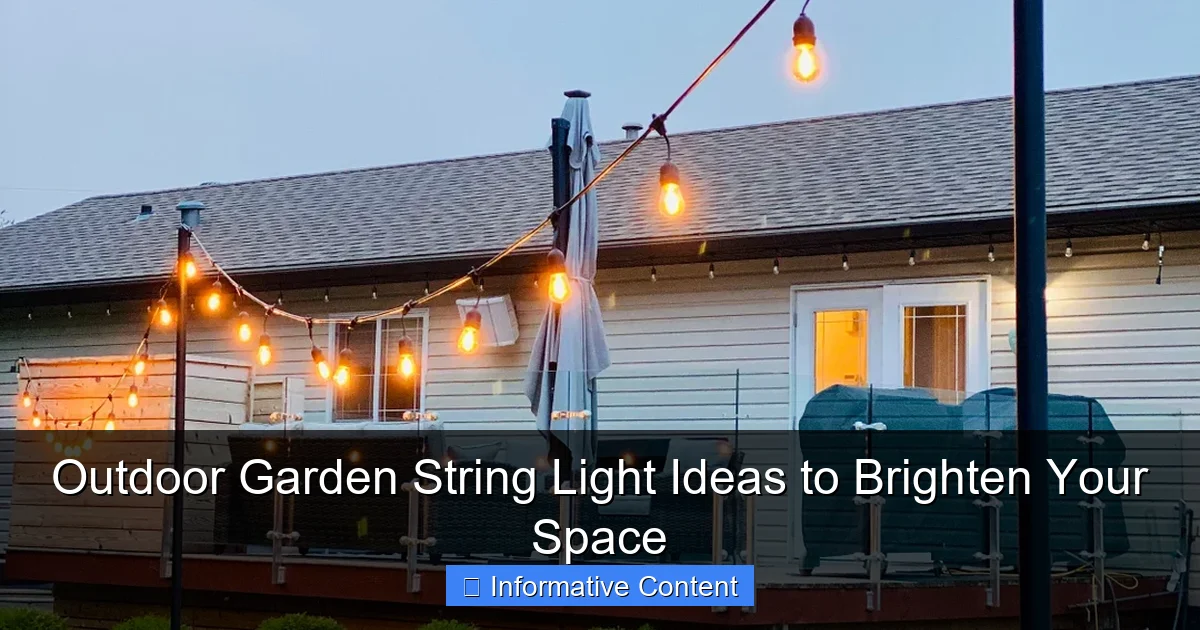
Featured image for outdoor garden string light
Image source: i.etsystatic.com
Transform your outdoor space into a magical retreat with creative garden string light ideas that enhance ambiance and extend usability after dark. From wrapping trees and outlining pathways to draping pergolas and highlighting water features, strategic placement of weather-resistant string lights adds warmth, style, and safety to patios, decks, and garden nooks—all while using energy-efficient LED options for lasting glow.
Key Takeaways
- Choose weather-resistant lights: Ensure durability with IP65-rated or solar-powered string lights.
- Layer lighting for depth: Combine string lights with lanterns or spotlights for ambiance.
- Hang lights creatively: Drape across trees, fences, or pergolas for instant charm.
- Opt for warm white LEDs: They create a cozy, inviting glow for evening relaxation.
- Use timers or smart controls: Automate lighting schedules for energy efficiency and convenience.
- Prioritize spacing: Avoid overcrowding; space bulbs 4-6 inches apart for balanced illumination.
📑 Table of Contents
- Why Outdoor Garden String Lights Are a Game-Changer
- Choosing the Right Outdoor Garden String Lights for Your Space
- Creative Ways to Use Outdoor Garden String Lights
- Power Options: Wired, Solar, and Battery-Powered Lights
- Installation Tips and Safety Considerations
- Maintenance and Longevity: How to Make Your Lights Last
- Bringing It All Together: Your Garden, Your Way
Why Outdoor Garden String Lights Are a Game-Changer
Imagine this: It’s a warm summer evening. The sun has just dipped below the horizon, painting the sky in soft hues of orange and purple. You’re sitting in your backyard, sipping on a cold drink, and suddenly, your garden transforms. Twinkling lights appear, wrapping around trees, draping across fences, and glowing above your patio. That’s the magic of outdoor garden string lights. They don’t just light up a space—they create a mood, a vibe, a moment worth remembering.
Whether you’re hosting a backyard BBQ, enjoying a quiet night with a book, or celebrating a special occasion, these lights add warmth and charm. They’re not just about visibility; they’re about ambiance. And the best part? You don’t need to be an electrician or a lighting designer to pull it off. With a little creativity and the right setup, your outdoor space can feel like a cozy retreat or a festive gathering spot—all with the flip of a switch.
Choosing the Right Outdoor Garden String Lights for Your Space
Not all string lights are created equal. The first step to transforming your garden is picking the right type. With so many options, it’s easy to feel overwhelmed. But don’t worry—I’ve been there, and I’ve learned a few things along the way.
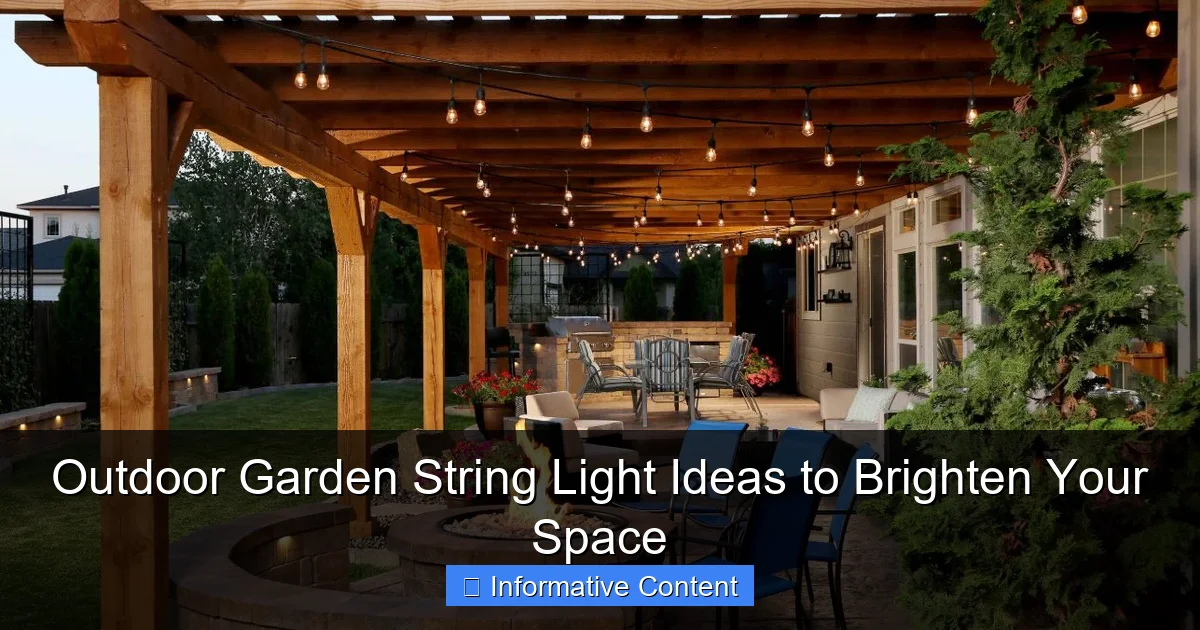
Visual guide about outdoor garden string light
Image source: cdn.homedit.com
Types of String Lights: LED vs. Incandescent
LED string lights are the clear winner for most outdoor setups. They use up to 80% less energy than incandescent bulbs, last 25 times longer, and stay cool to the touch—perfect for summer nights. Plus, they’re more durable and come in a wide range of colors and brightness levels. I remember my first set of incandescent lights—they burned out after one season and got so hot I worried about the kids touching them. Never again.
Incandescent lights, while warm and nostalgic, are less efficient and not ideal for long-term outdoor use. They’re better suited for short-term events like holiday displays. For year-round garden magic, stick with LED.
Weather Resistance and Durability
Your outdoor garden string lights need to stand up to rain, wind, UV rays, and temperature swings. Look for lights with an IP65 or higher waterproof rating. This means they’re dust-tight and protected against low-pressure water jets—perfect for outdoor use. I once bought a cheap set without checking the rating, and after one rainy night, half the bulbs were dead. Lesson learned.
Also, check the wire gauge (thicker is better) and the material of the bulb casings. Shatterproof plastic or silicone-coated bulbs are safer and more durable than glass.
Length, Spacing, and Brightness
Measure your space before buying. A 25-foot string might sound like enough, but if you’re wrapping around a tree or spanning a pergola, you’ll need more. I always buy 10–20% extra to account for overlaps and mistakes. Spacing between bulbs matters too—closer spacing (4–6 inches) creates a denser, cozier glow, while wider spacing (12+ inches) is better for subtle, starry effects.
Brightness is measured in lumens. For ambient lighting, 100–200 lumens per bulb is plenty. For task lighting (like over a dining table), go higher. But remember: softer is often better for mood lighting. You want to feel relaxed, not like you’re in an office.
Creative Ways to Use Outdoor Garden String Lights
Now that you’ve picked your lights, it’s time to get creative. The beauty of outdoor garden string lights is their versatility. Here are some of my favorite ways to use them—tried, tested, and loved by friends and family.
Drape Them Over Structures
One of the easiest (and most dramatic) ways to use string lights is by draping them over pergolas, gazebos, or even a simple clothesline. I once strung lights across my backyard pergola using zip ties and hooks, and it instantly turned the space into an al fresco dining room. The key? Hang them in a zigzag or “V” pattern, not a straight line. This creates depth and prevents that “airport runway” look.
Pro tip: Use adjustable hooks or adhesive clips so you can reposition the lights easily. And if you’re renting or don’t want to drill holes, try tension rods or removable hooks.
Wrap Trees and Bushes
Wrapping string lights around tree trunks or branches adds a magical touch. Start at the base and spiral upward, spacing the lights evenly. For a softer look, use fairy lights (tiny bulbs on thin wire) instead of larger globe lights. I did this with a maple tree in my yard, and it looked like it was glowing from within.
Warning: Don’t wrap too tightly—trees grow! Leave some slack, and check the lights every few months to avoid girdling the trunk. Also, avoid wrapping evergreens with needles; they can snag the wires.
Line Pathways and Borders
Use lights to guide guests through your garden or highlight walkways. I’ve seen people bury low-profile LED strips under mulch or use solar-powered stake lights along the edges. For a more whimsical look, try hanging small lanterns or mason jars with string lights inside.
One of my favorite tricks? Attach lights to garden stakes or shepherd’s hooks and place them every 2–3 feet along a path. It’s like a runway to your front door.
Create a Canopy or Ceiling Effect
Want to feel like you’re under a starry sky? Hang lights from trees or structures to create a “ceiling” of light. Use fishing line or clear wire to make the lights appear to float. I once did this for a wedding reception, and everyone thought we’d hired a professional lighting designer.
For a budget-friendly version, stretch a tarp or mesh netting between trees and drape the lights over it. The netting diffuses the light beautifully and hides the wires.
Highlight Outdoor Furniture and Features
Accentuate your favorite garden spots—like a fire pit, water feature, or seating area—with targeted lighting. I love wrapping string lights around the legs of my patio furniture or placing them inside a glass-top table. It’s a simple way to make the space feel intentional and inviting.
Another idea: Place lights inside a hollowed-out log or wooden box to create a glowing centerpiece. Just make sure the lights are battery-powered or on a low-voltage transformer for safety.
Power Options: Wired, Solar, and Battery-Powered Lights
How you power your outdoor garden string lights matters. Each option has pros and cons, and the best choice depends on your space and needs.
Wired (Plug-In) Lights
These are the most reliable and brightest option. They work well for permanent installations, like around a deck or pergola. But you’ll need access to an outdoor GFCI (Ground Fault Circuit Interrupter) outlet, and extension cords can be a tripping hazard.
I use plug-in lights for my main patio setup. I’ve buried a weatherproof extension cord underground (in conduit, of course) to keep it safe and out of sight. It’s a bit of work upfront, but it’s worth it for the hassle-free lighting.
Solar-Powered Lights
Solar lights are great for remote areas or if you don’t want to deal with cords. They charge during the day and turn on automatically at dusk. But they’re not as bright as wired lights, and performance depends on sunlight. I’ve had sets that lasted all night in summer but barely made it to 10 p.m. in winter.
Pro tip: Place the solar panel in direct sunlight, even if the lights are in a shady spot. And clean the panel regularly—dirt and leaves can reduce efficiency.
Battery-Powered Lights
Battery lights are portable and easy to install—no cords, no outlets. They’re perfect for temporary setups or renters. But batteries die, and replacements can get expensive. I use rechargeable AA batteries and a USB-powered set for my balcony lights. It’s a good balance of convenience and sustainability.
Look for lights with a timer or remote control to save battery life. Some even have motion sensors or dimming options.
Installation Tips and Safety Considerations
Installing outdoor garden string lights isn’t rocket science, but a few smart choices can prevent headaches (and hazards) down the line.
Plan Your Layout First
Before you start hanging lights, sketch a rough layout. Decide where the power source will be, how the lights will run, and where you’ll need extension cords or connectors. I once got halfway through a setup and realized I was 10 feet short of an outlet. Not fun.
Use painter’s tape or chalk to mark where you’ll place hooks or clips. This lets you test the spacing and adjust before committing.
Use the Right Hardware
Don’t just nail or staple lights to wood—it can damage the wires and create a fire risk. Instead, use outdoor-rated hooks, clips, or adhesive mounts. For brick or stucco, try masonry anchors or removable adhesive strips.
I love using zip ties with adhesive backs for a clean, adjustable look. Just don’t overtighten—you want to leave room for expansion and contraction with temperature changes.
Avoid Common Safety Pitfalls
- Don’t overload circuits. Check the maximum wattage for your outlet and extension cords. A typical outdoor GFCI outlet can handle 15–20 amps, but it’s safer to keep it under 80% capacity.
- Use outdoor-rated extension cords. Indoor cords can degrade quickly and pose a fire risk. Look for cords with a “W” or “W-A” rating.
- Keep lights away from flammable materials. That includes dry leaves, mulch, and wooden structures. If you’re using lights near plants, opt for cool-running LEDs.
- Inspect lights regularly. Check for frayed wires, loose connections, or damaged bulbs. Replace any faulty parts immediately.
Maintenance and Longevity: How to Make Your Lights Last
Your outdoor garden string lights can last for years with proper care. Here’s how to keep them shining bright.
Seasonal Storage Tips
If you live in a place with harsh winters, consider taking your lights down in fall. Store them in a cool, dry place—like a plastic bin with silica gel packets to prevent moisture buildup. I wrap each set around a cardboard tube or piece of foam to avoid tangles.
For permanent installations, leave the lights up but unplug them in winter. Use weatherproof covers for outlets and connections.
Cleaning and Bulb Replacement
Dust and debris can dull the glow of your lights. Wipe them down with a damp cloth (unplugged, of course) every few months. For stubborn grime, use a mild soap solution and a soft brush.
Replace burnt-out bulbs promptly—especially in LED sets. A single dead bulb can affect the entire string in some models. Keep spare bulbs on hand, and check the manufacturer’s warranty—many LED lights come with 1–5 year coverage.
Troubleshooting Common Issues
- Half the lights don’t work? Check for loose bulbs or a damaged section. Sometimes, a single bad bulb can shut down the whole strand.
- Lights flicker? This could be a loose connection, a failing transformer, or voltage fluctuations. Try tightening connections or using a surge protector.
- Solar lights not charging? Clean the panel, check for shade, and ensure the battery isn’t dead.
| Feature | LED Lights | Incandescent Lights | Solar Lights | Battery Lights |
|---|---|---|---|---|
| Energy Use | Very low | High | None (sun-powered) | Low (batteries) |
| Lifespan | 25,000–50,000 hours | 1,000–3,000 hours | 1–5 years (battery life) | Depends on batteries |
| Brightness | Adjustable (100–1,000+ lumens) | Warm but dim (50–200 lumens) | Low to medium (50–300 lumens) | Low to medium |
| Best For | Year-round use, permanent setups | Short-term events, vintage look | Remote areas, eco-friendly choice | Portable, temporary setups |
Bringing It All Together: Your Garden, Your Way
Outdoor garden string lights are more than just a lighting solution—they’re a way to express your personality and make your space feel like yours. Whether you go for a minimalist look with a single strand or a full-blown fairy-tale glow with dozens of lights, the key is to have fun with it.
I’ll never forget the first time I turned on my garden lights after a long winter. It felt like the yard was waking up, ready for another season of memories. That’s the power of light. So grab your tools, pick your favorite style, and start creating. Your perfect outdoor oasis is just a few twinkles away.
Frequently Asked Questions
What are the best outdoor garden string light ideas for small spaces?
For compact areas, try wrapping string lights around railings, hanging them in zigzag patterns on fences, or draping them over potted plants. Solar-powered options are ideal for small spaces without easy access to outlets. These setups create a cozy ambiance without overwhelming the area.
How do I install outdoor garden string lights securely?
Use adhesive clips, hooks, or zip ties to attach lights to surfaces like fences, trees, or pergolas—avoid nails to prevent damage. Ensure the lights are rated for outdoor use and check that connections are protected from moisture with waterproof covers or silicone sealant.
Can I leave my outdoor garden string lights on overnight?
Most LED string lights are safe for overnight use if they’re labeled as “dusk-to-dawn” or have a built-in timer. Always follow the manufacturer’s guidelines and opt for energy-efficient LEDs to reduce fire risk and save on electricity.
What type of string lights work best for large gardens?
For expansive spaces, choose commercial-grade LED string lights with higher lumen output (e.g., 500+ lumens) and connectable strands. Consider hanging them between trees, along pathways, or over patios to ensure even, bright coverage.
Are solar-powered outdoor string lights worth it?
Solar-powered lights are eco-friendly and eliminate wiring hassles, but their brightness depends on sunlight exposure. They’re ideal for shaded areas or temporary setups, while wired lights offer more consistent illumination for frequent use.
How do I create a magical vibe with outdoor garden string lights?
Layer lights by combining fairy lights in trees with larger globe bulbs on patios, or weave them through climbing plants for a natural glow. Add dimmers or warm-white LEDs (2700K-3000K) to enhance the cozy, inviting atmosphere.

